💎 Birthstone Gifts That Don’t Look Cheap: A Practical Guide
🧭 The 60-Second Take
Shopping for a birthstone gift can be a daunting experience, filled with uncertainties about authenticity and quality. With the plethora of online options and sparkling photographs, it’s easy to feel overwhelmed. Certification claims and lighting tricks in photos can often make a gemstone seem more enticing than it is.
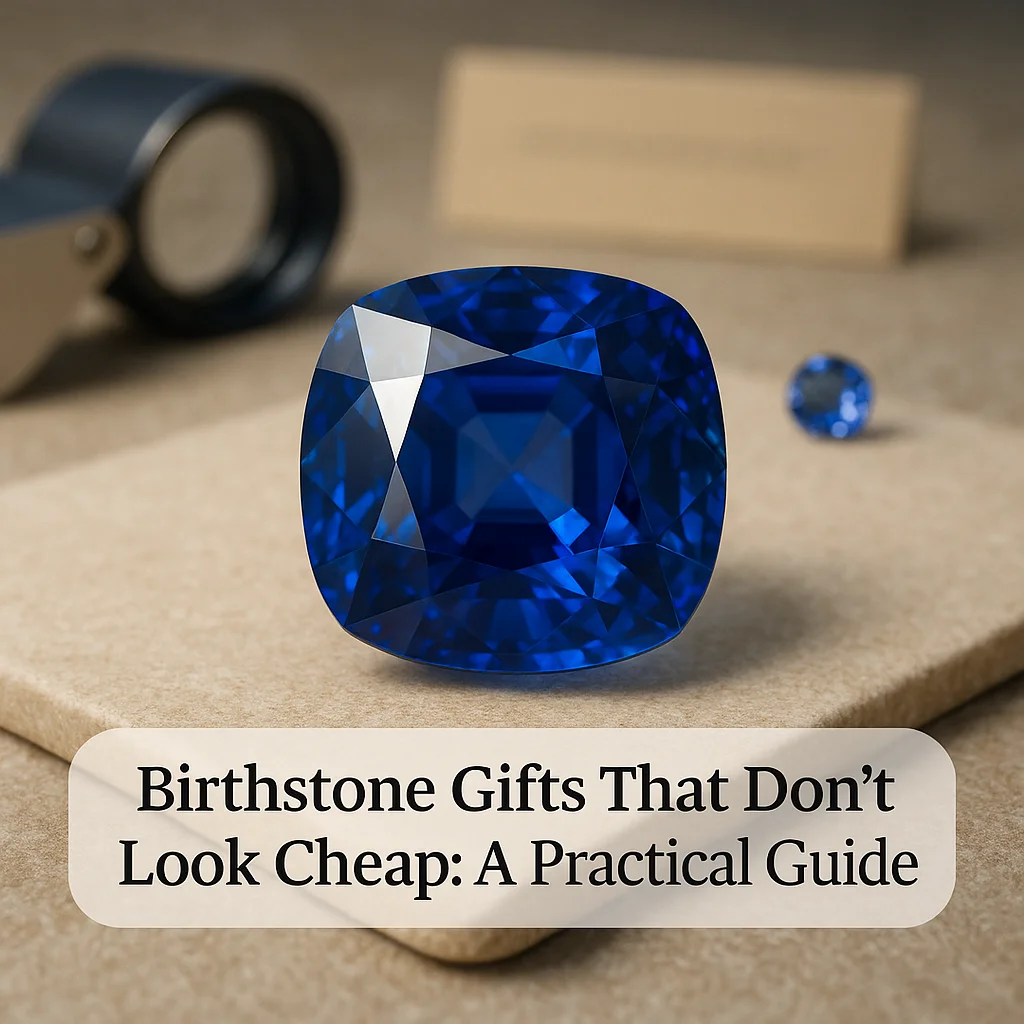
Amidst the confusion, ensuring you purchase a genuine and memorable gift requires some informed steps. A few simple actions can help you sift through the options efficiently, avoiding common pitfalls.
- Always check the return policy before buying.
- Compare multiple listings by viewing them on different screens.
- Ask the seller for real-life photos in natural light.
- Verify any lab reports through recognized gemological labs.
- Look for consistent pricing among similar items.
- Be cautious of terms like “simulated” or “man-made.”
- Opt for reputable sellers with positive reviews.
- Reach out to customer service with questions about the item.
🧪 What Actually Makes It “Real”
When it comes to gemstones, determining authenticity can be nuanced. Natural gemstones are mined directly from the earth, while lab-grown stones are created under controlled conditions to mimic their natural counterparts. These lab-grown gems are chemically identical but typically less expensive due to more efficient production.
Imitation stones, often made of glass or plastic, merely look similar but have no gem properties. Assembled stones like doublets or triplets combine slices of gem material with other substances to enhance appearance inexpensively. From photos alone, it’s hard to discern these differences as lighting and angles can obscure an item’s true nature.
While pricing can offer hints—unnaturally low prices suggest simulation or imitation—it doesn’t tell the full story. Additionally, “paperwork” often includes certificates that should be scrutinized for authenticity, as some documents may be misleading.
🔍 My Buyer Checklist (Step by Step)
- Research the gemstone associated with the birth month.
- If the gemstone is listed as natural, verify if it's untreated or treated.
- Check for lab reports from reputable gemological laboratories.
- Ask the seller to provide real-life photos in daylight.
- If the gem’s price is unusually low, inquire about authenticity.
- If unsure, request clarification about terms like “synthetic” or “imitation.”
- Check seller reviews and customer feedback for consistency.
- Ensure the return policy is clear and accommodating.
- Inquire about any treatments or enhancements used on the stone.
- If purchasing a setting, confirm that the metal is as described (e.g., sterling silver, gold).
- Compare prices among different sellers for similar items.
- If hesitant, consider consulting a certified gemologist.
This checklist aims to streamline your purchase experience without inducing undue alarm. Thoroughness in each step helps ensure satisfaction without overwhelm. Remember, being informed is your best asset when buying.
⚠️ Mistakes People Make (And the Fix)
- Buying based on photos alone: Request natural light images.
- Trusting unverified certificates: Check for lab verification.
- Assuming “genuine” means untreated: Always ask for specifics.
- Overlooking the return policy: Ensure it’s buyer-friendly.
- Being swayed by perfection: Natural stones have inclusions.
- Not considering setting quality: Confirm metal specifications.
- Ignoring lighting conditions: Ask about fluorescence or color in different lights.
- Assuming low price means good deal: Question any bargains that seem too good.
- Neglecting to ask questions: Engage sellers for clarification.
- Missing small print in descriptions: Read details thoroughly.
🎨 Look & Red Flags That Matter
Lighting dramatically alters a gemstone's appearance. What seems dazzling in a lit showroom can appear muted elsewhere. A gem’s cut, which determines its brilliance, can either enhance or mask natural flaws.
Watch for surface coatings and dyes, common methods to improve appearance. While these treatments aren’t inherently bad, they can affect durability and value. Coated stones may not maintain their appearance with wear.
Inclusions, natural markers within stones, often add unique character. However, heavy inclusions can affect structural integrity and price, making them significant considerations when aiming for quality gifts.
🧼 Care & Storage (Safe Defaults)
- Do clean with mild soap and lukewarm water.
- Do use a soft cloth for drying to avoid scratches.
- Do store separately or in soft-lined boxes to prevent contact with other jewelry.
- Do keep out of direct sunlight to avoid fading, especially with amethyst and topaz.
- Don’t use ultrasonic cleaners for porous gems like opals or pearls.
- Don’t expose to harsh chemicals or cleaning agents.
- Don’t store in hot, humid environments to prevent cracking.
- Don’t wear stones during rigorous activities to prevent damage.
- Do have stone settings checked regularly for security.
- Do keep away from makeup or hairspray; these contain chemicals that can damage gemstones.
- If unsure about care, consult a jewelry professional.
🧾 What Certificates Can (and Can’t) Prove
Certificates typically verify a stone’s identity, natural origin, and any treatments it has undergone. Reputable labs like the GIA, AGS, or IGI provide reliable certification, focusing on clarity, cut, carat weight, and color.
Sellers might exaggerate the value or significance of these reports, portraying them as guarantees of quality or long-term value. While certificates provide assurance of what a gem is, they do not comment on aesthetic appeal or future resale value.
Investing in a certified gem is wise for high-value purchases, as this documented evidence can assist in both appraisals and future resales. However, for casual buyers, practicality and preference should weigh alongside certification.
❓ Quick Questions Buyers Ask
Q: Are lab-grown stones real gemstones?
A: Yes, they have the same physical properties and chemical composition as natural stones.
Q: Can I rely on online reviews to gauge quality?
A: Reviews can help, but verify details directly with the seller for accuracy.
Q: Is it essential for every gemstone to have a certificate?
A: Not for every purchase. Certificates are more crucial for high-value items.
Q: How do treatments affect the value of a gem?
A: Treatments can enhance appearance but may lower long-term value and affect durability.
Q: Why does my stone look different in various lighting conditions?
A: Different light sources can affect a stone's perceived color and brilliance.
Q: Should I be worried about inclusions?
A: Minor inclusions are normal; significant ones can affect durability and value.
Q: What's the best way to clean my gemstone?
A: Use mild soap with water and a soft cloth unless the stone is porous.
Q: Do all birthstones need special care?
A: Care varies by stone; soft or porous stones need more gentle handling.
📌 If You Only Remember 5 Things
- Real gems come in many forms; understand the differences.
- Lighting and setting significantly affect appearance.
- Certificates confirm identity, not desirability.
- Always verify terms and conditions before purchase.
- Proper care extends the life and beauty of gemstones.
- Supposed bargains should be questioned thoroughly.
- A little knowledge helps make informed, confident decisions.