💎 Top 12 Wedding Anniversary Stones (And What They Symbolize in Practice)
🧭 The 60-Second Take
You've just celebrated another wedding anniversary, and you're considering a gemstone gift to mark the occasion. The online world of gemstones is enticing, filled with sparkling images and persuasive descriptions. However, it's crucial to remain cautious, as pictures can be deceiving and terms like "certified" can often be misused.
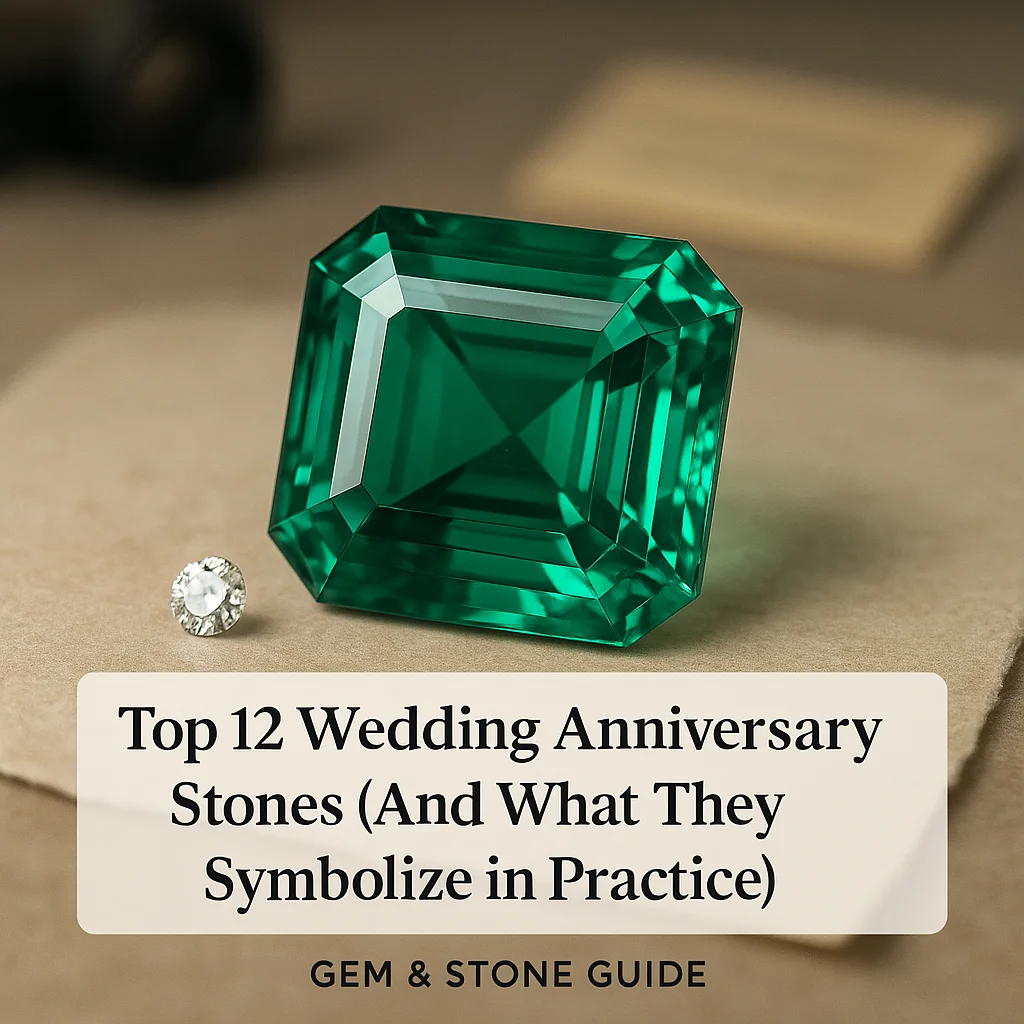
Shopping for gemstones involves more than meets the eye. Lighting tricks and photo enhancements often mask imperfections. While a certificate might sound reassuring, it's only as good as the issuer's integrity. Always approach with a discerning eye.
- Research the specific stone for your anniversary year.
- Understand the difference between natural, lab-grown, and imitation stones.
- Check return and exchange policies before purchasing.
- Ask for reputable certification and verify it independently.
- Physically inspect the gemstone under different lighting, if possible.
- Seek personal referrals for trustworthy jewelers.
- Start discussions with sellers to gauge knowledge and honesty.
- Invest in a professional appraisal for high-value purchases.
🧪 What Actually Makes It “Real”
In the gemstone world, terms like natural, lab-grown, imitation, and assembled (like doublets and triplets) often crop up. Natural stones are mined from the earth, carrying unique inclusions and imperfections. Lab-grown stones are created in controlled environments and chemically identical to their natural counterparts. Imitations replicate the stone's look but aren't chemically related. Assembled stones combine multiple pieces to mimic a larger or more valuable gem.
From pictures alone, it's often impossible to discern these differences. Pricing can provide clues, but it's not definitive. Similarly, certificates hold value only when issued by recognized labs, as sellers may exaggerate claims.
🔍 My Buyer Checklist (Step by Step)
- If the price seems too good, research similar offers.
- If the seller avoids questions, reconsider dealing with them.
- If the stone is "certified," verify the issuing lab.
- If buying online, ensure there's a reasonable return policy.
- If you can, see the stone in person under multiple lights.
- If unsure, consult a local gemologist for an objective opinion.
- Check for visible flaws; some inclusions are normal but large or eye-visible ones may affect value.
- Understand any treatments—their effects on price and durability.
- Consult known guides to cross-reference suspect offerings.
- Always keep communication records with the seller.
This checklist can help streamline your buying process. Use it to gather necessary information without feeling overwhelmed. Trust your instincts, and don't rush into committing to a stone that doesn't feel right.
⚠️ Mistakes People Make (And the Fix)
- Buying based on photos alone: Always view under different lights.
- Trusting a dodgy "certification": Verify through known labs.
- Overlooking the return policy: Make sure it is beneficial.
- Comparing stones by size alone: Quality and cut matter too.
- Assuming all inclusions are bad: Some are acceptable.
- Ignoring light performance: Lighting affects appearance.
- Believing “too perfect” claims: Natural stones have flaws.
- Skipping an independent appraisal: A second opinion is crucial.
- Not considering cultural symbolism: Understand the stone's story.
- Confusing tradition with quality: Relevance and appeal vary.
🎨 Look & Red Flags That Matter
The real-life appearance of gemstones differs vastly from online portrayals. Lighting, cut, polish, and even minor inclusions significantly affect their brilliance. Watch for overly perfect stones—these could be synthetic or excessively treated. Gems like sapphires and rubies frequently undergo heating to enhance color and clarity safely, but occasional dye or coating may alter natural beauty.
Understanding these common processes helps you make an informed choice. While some treatments are traditional and accepted in the market, stay alert to sellers overpromising or failing to disclose key alterations.
🧼 Care & Storage (Safe Defaults)
- Use mild soap and water for regular cleaning.
- Avoid ultrasonic cleaners for porous stones like opal.
- Store separately to prevent scratches, especially with pearls.
- Keep away from harsh chemicals, especially turquoise.
- Use a soft cloth for drying after cleaning.
- Limit exposure to extreme temperatures and sunlight.
- Avoid soaking in water, particularly with treated stones.
- Regularly check ring settings for secure prongs or clasps.
- For soft stones like amber, handle gently and avoid pressure.
- Consult a jeweler for repairs instead of DIY fixes.
- When in doubt, seek professional cleaning for valuable pieces.
- Rotate wearing soft gemstones and avoid long-term wear.
🧾 What Certificates Can (and Can’t) Prove
Certificates from reputable labs often report characteristics like the stone's identity, treatments, and sometimes origin. However, sellers might exaggerate the relevance or implications of these features. It's crucial to interpret what the certificate shows correctly.
Reports are particularly valuable for high-cost stones, potentially reassuring to verify essential attributes. Nevertheless, some labs are known more for their marketing than their science, so checking their credibility is key.
A competent certificate can enhance confidence in your purchase, but remember it's part of a broader evaluative process rather than a guarantee of value.
❓ Quick Questions Buyers Ask
Q: How can I tell if a stone is real?
A: Look into certification, expert appraisals, and direct comparison when possible.
Q: What if the stone has inclusions?
A: Most natural stones do; it's part of their character.
Q: How do I clean my gemstone safely?
A: Mild soap and water, soft cloth—avoid chemicals.
Q: Are lab-grown stones less valuable?
A: Typically yes, but they can offer beauty and ethical peace of mind.
Q: What’s a fair return policy?
A: 30 days is common; ensure clarity on terms.
Q: Can I trust online sellers?
A: Yes, with due diligence and reliable referrals.
Q: Does the color of a gemstone matter?
A: Absolutely, it impacts both beauty and value.
Q: Should I always buy a certified stone?
A: While not mandatory for all purchases, it’s a good practice for costly items.
📌 If You Only Remember 5 Things
- Not all that glitters is gold—verify the source.
- Understanding treatments increases buying confidence.
- Lighting can make or break a stone's sparkle.
- Reading a certificate thoroughly demystifies complex claims.
- Quality care prolongs gem life, avoid harsh treatments.