💎 Birthstones by Zodiac Signs Guide
🪨 What It Is
Birthstones by zodiac signs are gemstones traditionally associated with each zodiac sign. These stones are different from monthly birthstones and are often selected based on astrological beliefs. Though these associations are largely cultural, learning about these stones can add a layer of personal meaning to jewelry selections.
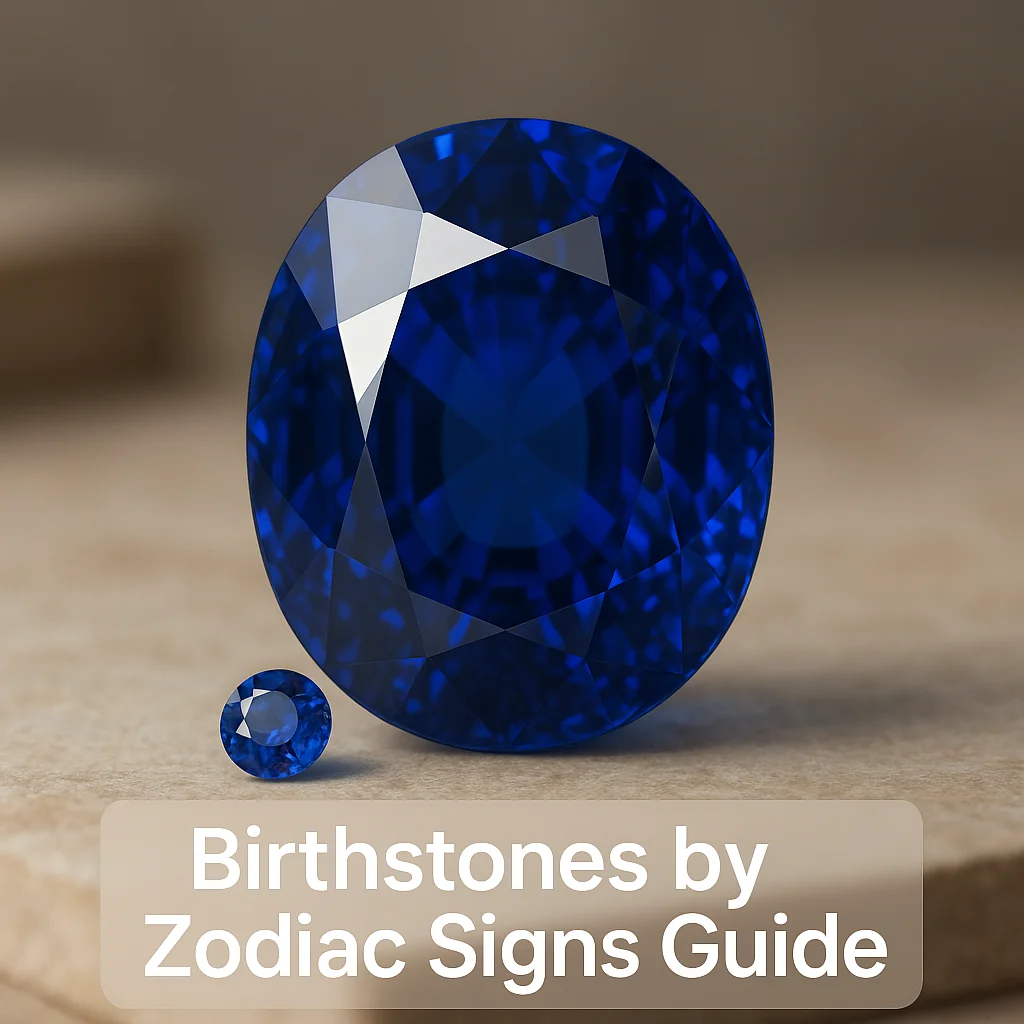
In this guide, we will explore each of the twelve zodiac signs and their associated birthstones. We will discuss what each stone is, where they come from, and their formation. Additionally, we will cover their colors, properties, and how to care for them. Our aim is to provide a comprehensive overview that is both informative and accessible to beginners.
It is important to note that while birthstones have cultural and historical significance, they do not have scientifically proven effects. Our focus here will be on their gemological and mineralogical attributes, helping you appreciate these stones from a scientific perspective.
🌍 Where It Comes From
Every gemstone associated with a zodiac sign has a unique origin story, often formed in specific geological settings. Whether found in the depths of the Earth's crust or formed through natural processes in marine environments, these stones are miracles of nature.
For instance, many birthstones, such as aquamarine and garnet, are mined from igneous and metamorphic rocks. These stones are typically found in regions with volcanic activity or where tectonic forces have transformed existing rocks. Geographically, these gemstones can be sourced from continents like South America, Africa, and parts of Asia.
Origin can significantly influence a gemstone's attributes such as color, clarity, and market reputation. Many gem enthusiasts may seek stones from specific regions based on historical prestige or characteristic appearance. However, it is essential to verify such claims with reliable gemological reports to avoid misconceptions.
🔬 How It Forms
Gemstones generally form under conditions of high temperature and pressure within the Earth's crust or in specific environments like hydrothermal veins. The color of each gemstone often depends on trace elements and defects within its crystal structure. For example, the presence of iron can give aquamarine its blue hue.
Different gemstones exhibit distinct crystal habits. Sapphires and rubies, both varieties of corundum, typically form hexagonal crystal structures, making them distinguishable from other stones. On the other hand, opal, with its amorphous nature, does not have a defined crystal structure but forms in nodules or seams.
The time required for a gemstone to form can span millions of years. Pressure and temperature variations contribute to the unique chemical and physical properties of each stone, providing a natural canvas of colors and patterns cherished by gem lovers.
🎨 Color and Look
Gemstone colors range widely due to various factors such as mineral composition and natural inclusions. For example, the striking red of a ruby results from chromium impurities, while the deep blues of sapphire are influenced by titanium and iron. These color variations are often a primary factor in determining gem value.
Optical effects like chatoyancy or asterism can enhance a gem's visual appeal. These include phenomena like the cat-eye effect seen in chrysoberyl or the star-like patterns in star sapphires. The appearance of a gemstone is also influenced by how it is cut and polished, which can enhance its natural color and brilliance.
Treatments such as heating or irradiation are sometimes applied to improve color or clarity. While these processes are standard industry practices, it is essential for buyers to be aware of them. Transparency in disclosing such treatments is critical when purchasing high-value gemstones.
🧪 Properties That Matter
Understanding the properties of a gemstone is fundamental for assessing its suitability for various types of jewelry. The Mohs hardness scale is used to determine scratch resistance. For instance, a diamond scores a 10, indicating extreme hardness, while talc at 1 is very soft.
Toughness, which indicates resistance to chipping or breaking, and cleavage, describing how a stone breaks along specific planes, are also key considerations. A stone with perfect cleavage, like diamond, requires careful setting to avoid accidental damage.
Luster, defined as the quality and intensity of light reflected by the gem, ranges from vitreous in quartz to pearly in opal. Appropriate use of these stones depends on these attributes – some stones are better suited for rings, while others are ideal for pendants or earrings.
✨ Meanings, Birthstones, and Culture
Birthstones by zodiac signs hold rich cultural significance, symbolizing various virtues and qualities associated with each sign. For instance, the birthstone for Leo, peridot, is traditionally associated with prosperity and good fortune. These associations are steeped in history and mythology but should be viewed as cultural traditions rather than scientific facts.
In modern times, zodiac birthstones have gained popularity in jewelry design, allowing individuals to express their personalities and beliefs. While not scientifically proven to influence our lives, these stones add a layer of personal meaning and connection for many wearers.
Each zodiac sign, from Aries to Pisces, is linked to one or more gemstones. These associations vary in different cultures, but they provide a fascinating lens through which to explore the world of gemstones and their uses in adornment and personal expression.
🧼 Care and Cleaning
Gemstone care is essential to maintaining their beauty and value. Generally, a gentle cleaning approach using mild soap and water is recommended. Using a soft cloth to polish the stone after cleaning enhances its luster while avoiding scratches.
Certain precautions must be taken for softer or porous stones like opal and turquoise, which can be damaged by chemicals or heat. Avoid sudden temperature changes and prolonged soaking. A soft cloth pouch or a lined jewelry box is ideal for storage to prevent scratching.
Treated stones require additional care. Heat-treated gemstones should not be exposed to high temperatures, while dyed stones may require special cleaning methods to avoid color loss. Always consult a gemologist or jeweler for specific cleaning advice if unsure.
🛒 Buying Tips and What to Check
When purchasing gemstones, consider factors like color, clarity, cut, and carat size. These aspects significantly influence a stone's price and aesthetic appeal. Origin and rarity also play roles in value determination, with some regions known for producing particularly desirable stones.
It is important to ask sellers about any treatments the stones may have undergone and to request a gemological report for high-value stones. These reports detail the stone's properties and any enhancements and provide assurance regarding the stone's authenticity.
When buying online, ensure that the seller provides detailed descriptions and clear images. A good return policy and positive seller reputation are also crucial. Transparency in treatment disclosure and certification can assure you of a legitimate purchase, especially for investment pieces.
⚠️ Real vs Fake and Common Look-Alikes
Distinguishing between natural and synthetic gemstones is crucial. While synthetic stones share similar properties with their natural counterparts, they are lab-grown and lack the unique inclusions found in natural stones. They should not be confused with imitations made from glass or plastic.
Imitations or assembled stones, like doublets or triplets, combine different materials to mimic valuable gems. Common look-alikes such as cubic zirconia for diamonds or spinel for rubies are frequently encountered in the market.
Professional testing is recommended for accurate identification as visual inspection can be misleading. When in doubt, consulting with a certified gemologist can prevent costly mistakes and ensure that any gemstone purchase is genuine.
❓ Common Questions and Misconceptions
Is it a mineral or a rock? The terms depend on the stone. Minerals are single materials, while rocks consist of multiple minerals.
Is it a birthstone? Birthstones by zodiac are associated with astrology, differing from monthly birthstones.
Will it scratch easily? It depends on the Mohs hardness score. Softer stones scratch more readily than harder ones.
Can it go in water? Most gemstones can, but prolonged exposure should be avoided, especially for porous stones.
Does color fade in sunlight? Some gems, like amethyst, can fade, while others remain stable. Minimal sun exposure is best for preserving color.
What treatments are common? Treatments like heat, irradiation, and oiling are used to enhance appearance and should be disclosed by sellers.
Is lab-grown 'fake'? Lab-grown gems are real in composition but synthetic; they differ from natural in origin.
How do I store it safely? Store in a soft cloth pouch or lined box to prevent scratches and damage.
Do inclusions always lower value? While large inclusions can affect clarity, some do not impact value significantly.
How do I pick a good one for jewelry? Choose based on hardness, durability, and preferred color; consult a jeweler for advice.
📌 Summary
- Birthstones by zodiac are culturally significant gemstones linked to astrological signs.
- Colors vary widely due to mineral composition and geological formation.
- Formed under natural conditions of heat, pressure, and time.
- Properties like hardness and toughness affect wearability.
- Treatments are common; always seek disclosure from sellers.
- Care involves gentle cleaning and cautious storage.
- Best uses vary; some stones ideal for rings, others for pendants.
- Look-alikes include natural, synthetic, imitation, and assembled stones.
- Authenticity confirmed by professional testing and gem reports.
- Checklist focus: color, clarity, cut, carat, origin, treatment disclosure.
- Zodiac birthstones are steeped in tradition; a captivating entry into gemology.
- Reliable information and careful purchasing can ensure long-term satisfaction.