💎 December Birthstone Turquoise
🪨 What It Is
Turquoise is a captivating mineral, recognized for its beautiful sky-blue to greenish hues. It is a hydrated phosphate of copper and aluminum, and it is treasured both as a gemstone and an ornamental stone. Turquoise is included in the list of official birthstones for December, making it a popular choice for birthday gifts and jewelry. In this article, we'll explore its appearance, properties, origins, and tips for buying and caring for turquoise.
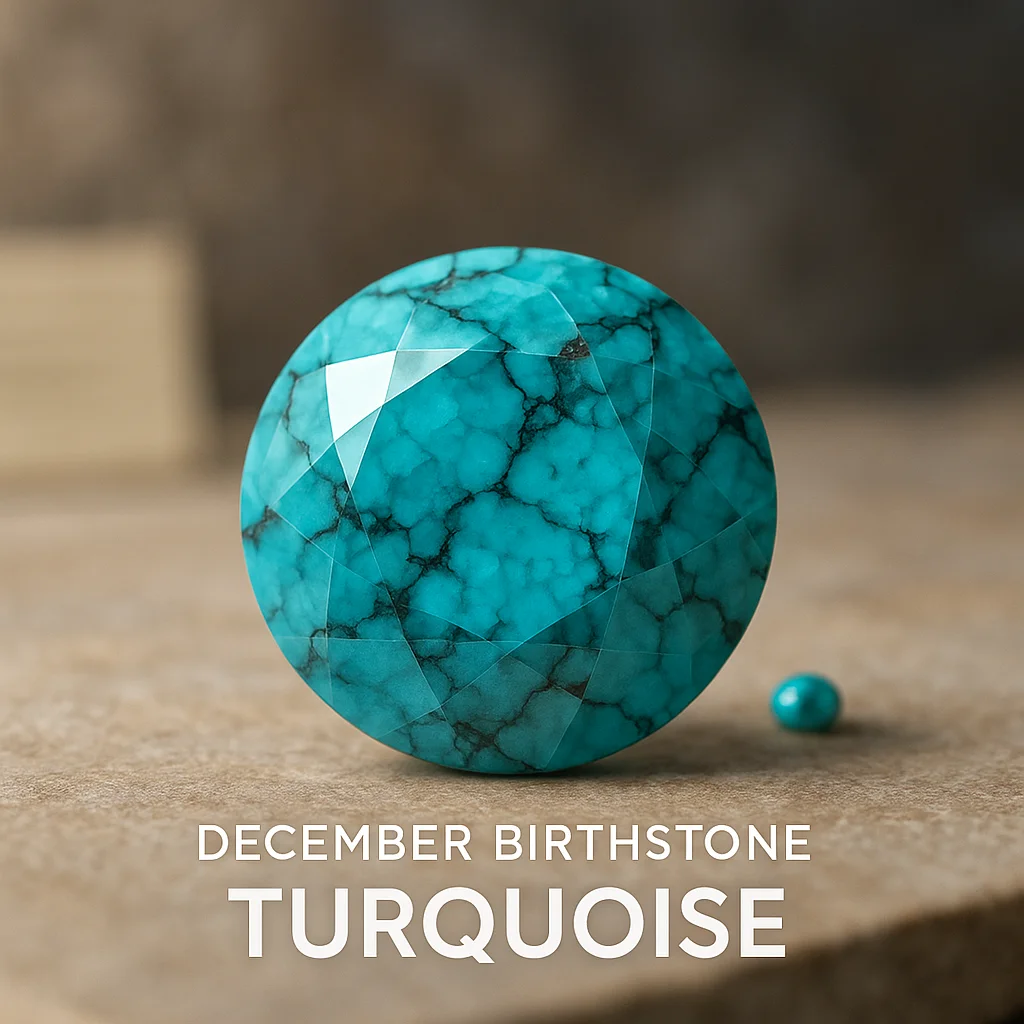
As a gemstone, turquoise is cherished for its distinct color and historical significance. It often appears in a range of jewelry pieces such as rings, pendants, and earrings. It has a fascinating mix of cultural and gemstone mineralogy elements, which we'll delve into.
Throughout this exploration, you'll learn about turquoise's geological origins, how its stunning colors form, what gives it its appearance, and how it stacks up for day-to-day wear. Understanding its properties and cultural implications will provide valuable insights whether you are collecting or simply appreciating this timeless gemstone.
🌍 Where It Comes From
Turquoise is primarily found in arid regions where groundwater percolates through rocks. It typically forms in sedimentary and volcanic environments, and it can also be a secondary mineral in some hydrothermal deposits. The specific conditions needed for turquoise formation are relatively rare, contributing to its value and allure.
Well-known sources of turquoise include the southwestern United States, particularly Arizona and Nevada. These areas are famous for producing turquoise with unique colors and patterns. Other significant deposits are found in Egypt, Iran, and parts of China, each offering their own distinctive shades and matrix patterns. The origin often influences the stone's appearance and market value.
When considering turquoise, many collectors and jewelers pay close attention to its provenance. Turquoise from certain regions may be prized for its specific color properties, matrix, or hardness, making origin a key factor in the gemstone's desirability and price.
🔬 How It Forms
Turquoise forms through a specific set of geological processes. It begins as phosphate-bearing groundwater that combines with copper and aluminum-rich minerals. Over time, this solution seeps into rock fractures and cavities, eventually crystallizing to form turquoise. The process can take thousands of years, resulting in nodules or the veined appearance seen in many specimens.
The presence of copper is what primarily influences the characteristic blue color of turquoise. Variations in trace elements like iron and zinc can shift the hue towards greener shades. The unique crystal structures and compositions create a wide range of appearances, from solid blue stones to those with intricate webbing known as matrix.
Understanding how turquoise forms helps one appreciate its diversity and unique appeal. Various geological factors, such as the surrounding rock and available minerals, can greatly influence the color and quality of turquoise.
🎨 Color and Look
Turquoise is renowned for its striking blue and green tones, often compared to the clear skies or the sea. The most valued turquoise typically exhibits a vibrant robin's egg blue, though many appreciate the greenish hues just as much. These colors are a direct result of the mineral elements present during formation, particularly copper, which imparts the blue shades.
The appearance of turquoise can also feature a matrix, the visible veins of host rock that add captivating patterns. The pattern and presence of matrix can greatly affect a stone's aesthetic and desirability. Turquoise is generally opaque and has a waxy luster, providing a unique look distinct from more transparent gems.
Treatments to enhance color or stabilize soft turquoise involve substances like resins or dyes. Such treatments can improve durability and appearance but should be disclosed as it influences the stone's care and perceived value.
🧪 Properties That Matter
In terms of physical properties, turquoise ranks between 5 and 6 on the Mohs hardness scale. This means it's relatively soft compared to other gems like diamonds or sapphires, which makes it vulnerable to scratching. Thus, turquoise is often best suited for earrings or pendants that face less wear.
Turquoise's toughness, or its ability to resist chipping, is moderate. It lacks perfect cleavage, which means it breaks with some irregularity but is generally more resilient than stones with defined cleavage planes. Combined, these factors mean turquoise must be handled with care to maintain its beauty.
Holding a waxy to dull luster and typically opaque, turquoise's unique appearance doesn't rely on light refraction like transparent gems, but its polished surface can enhance its natural colors. Understanding these properties helps determine how best to use and care for this beautiful gemstone.
✨ Meanings, Birthstones, and Culture
Turquoise has been historically associated with many cultural beliefs and traditions. As the birthstone for December, it represents wisdom, tranquility, and protection. Many societies have traditionally valued turquoise for its perceived spiritual properties, though such claims remain rooted in folklore rather than science.
Various cultures from Ancient Egypt to Native American tribes have used turquoise in jewelry and ceremonial artifacts, often attributing it with symbolic significance such as luck or protection. In modern times, it remains a favored choice for personal jewelry, reflecting both its historical richness and aesthetic appeal.
While the meanings ascribed to turquoise are culturally significant, it's important to enjoy turquoise for its beauty and craftsmanship rather than expect its powers or influences.
🧼 Care and Cleaning
Proper care is essential to maintain turquoise's appearance. Use gentle soap and water with a soft brush to clean the stone. Avoid using harsh chemicals or ultrasonic cleaners, as these can damage the stone or any treatments it may have undergone.
To protect turquoise from scratches, store it separately from harder stones or in a soft pouch. It's also wise to keep it away from prolonged exposure to heat or sunlight, which can affect its color or cause treated stones to degrade.
Avoid soaking turquoise for extended periods, as it is porous and can absorb liquids, potentially altering its appearance. Regular, gentle maintenance ensures that turquoise jewelry retains its charm for generations.
🛒 Buying Tips and What to Check
When buying turquoise, consider factors such as color, matrix, and whether the stone has undergone treatments. Vivid blue turquoise with little to no matrix is typically more desirable, though personal preference plays a significant role in choice.
Always ask sellers about possible treatments and request a certification for higher-value purchases. Lab reports can confirm the natural origin and treatment of the stone, although they cannot quantify subjective qualities like appeal.
For online purchases, use a checklist: review seller reputations, return policies, and look for clear photos that show both the color and the matrix. A reputable seller will provide adequate information to make an informed decision.
⚠️ Real vs Fake and Common Look-Alikes
Distinguishing natural turquoise from synthetic or imitation pieces can be challenging without professional assistance. Synthetic turquoise, created in labs to mimic natural properties, is sometimes considered more uniform in color. While not fake, synthetic stones are less valued than natural.
Imitation turquoise may consist of dyed howlite or plastic, mimicking the gem's color but lacking its unique mineral properties. Assembled stones, such as doublets or triplets, may use thin slices of turquoise backed with other materials for stability.
Common look-alikes, like dyed magnesite or plastic, are prevalent, so rely on reputable sellers or gemologists to confirm authenticity. Avoid risky home tests, which can damage the stone or provide misleading results.
❓ Common Questions and Misconceptions
Is it a mineral or a rock? Turquoise is a mineral, specifically a hydrated phosphate of copper and aluminum.
Is it a birthstone? Yes, turquoise is a December birthstone.
Will it scratch easily? Turquoise has a Mohs hardness of 5–6, which means it can scratch more easily than harder gemstones.
Can it go in water? Brief contact is usually fine, but avoid long soaking due to its porosity.
Does color fade in sunlight? Prolonged exposure to sunlight may fade turquoise's color, especially if it has been treated.
What treatments are common? Stabilization and dyeing are common treatments for durability and color enhancement.
Is lab-grown 'fake'? Lab-grown turquoise isn't fake but is less valuable than natural turquoise.
How do I store it safely? Store turquoise separately in a soft pouch to prevent scratches.
Do inclusions always lower value? Not necessarily. Some collectors prefer the matrix patterns in turquoise.
How do I pick a good one for jewelry? Consider color, matrix, treatment history, and personal preference.
📌 Summary
- Turquoise is a mineral and December birthstone.
- Its signature colors range from sky blue to green with matrix patterns.
- Forms in sedimentary and volcanic environments over thousands of years.
- Moderate Mohs hardness of 5–6 necessitates gentle wear and care.
- Treatments like stabilization improve durability but should be disclosed.
- Care with soap and water, avoid harsh chemicals and prolonged soaking.
- Ideal for low-wear jewelry like earrings and pendants.
- Common look-alikes include dyed howlite and plastic.
- Authenticity confirmed through lab reports, not home tests.
- Buying tips: check color, ask about treatments, verify seller reputation.
- Traditionally associated with protection, wisdom, and tranquility.
- Turquoise's beauty is enhanced by its historical and cultural richness.