💎 February Birthstone Amethyst
Amethyst is a beautiful, purple gemstone recognized as the February birthstone. It belongs to the quartz family, a large group of minerals widely used in jewelry. Known for its striking color and history, amethyst appeals to both gem collectors and jewelry enthusiasts.
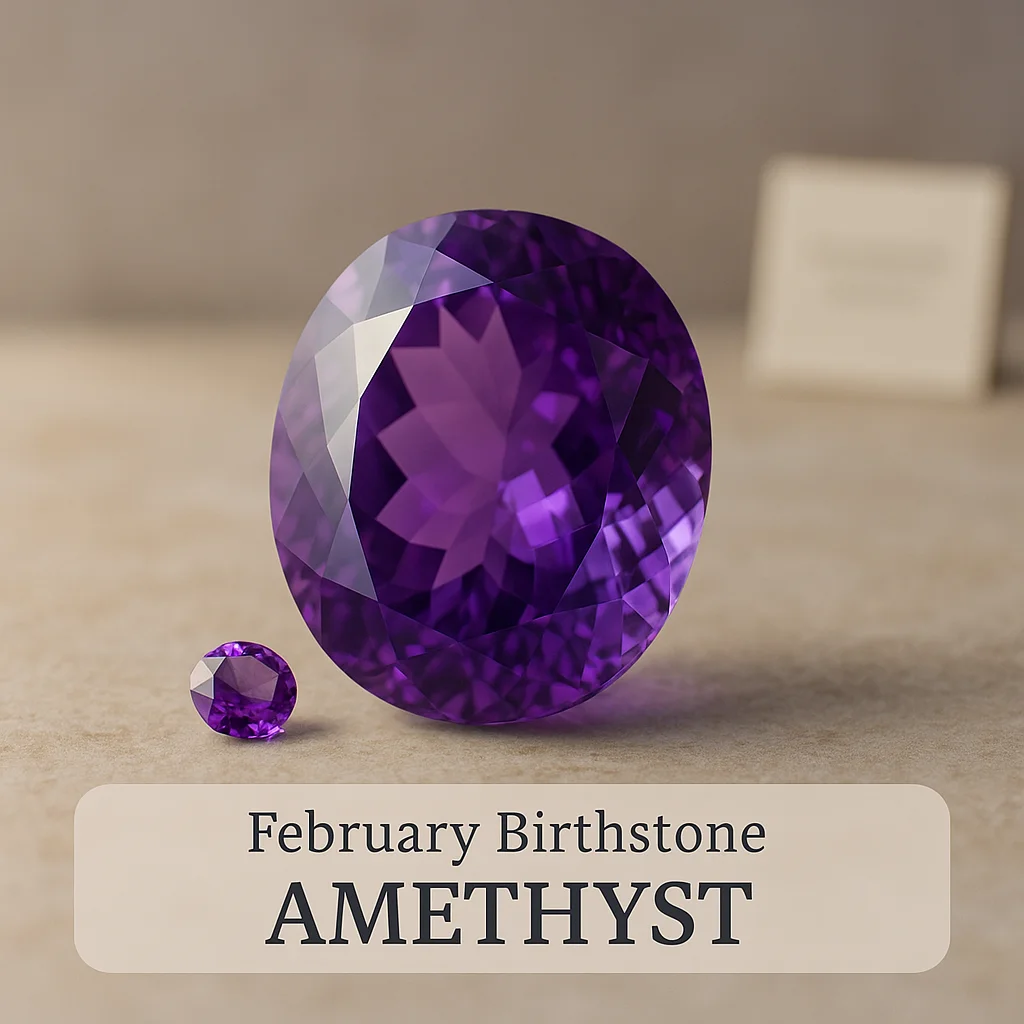
This gemstone offers a spectrum of purples, ranging from deep, royal purple to pale lavender. Its rich hues have made it a favored choice for elegant rings, necklaces, and other adornments. In this article, you'll learn about its properties, origins, care tips, and what to look for when buying amethyst jewelry.
Amethyst is beloved not only for its aesthetic appeal but also for its reputation. As the birthstone for February, it carries symbolic significance in various cultures. We'll explore these meanings later, along with how to distinguish real amethyst from imitations.
🪨 What It Is
Amethyst is a variety of quartz, specifically known for its violet to purple color. As a member of the mineral kingdom, quartz is a crystalline form of silicon dioxide. Amethyst gets its color from trace amounts of iron and other trace elements exposed to radiation.
Given its enchanting coloration, amethyst is a popular choice for jewelry, particularly for those born in February. Its relatively affordable price makes it accessible to a wide range of consumers, from collectors to casual purchasers looking for a birthstone piece.
As you read further, you'll discover more about amethyst's physical properties, its formation in nature, and where some of the most notable sources are located. This will help you understand what to look for whether you are shopping or simply appreciating the stone's beauty.
🌍 Where It Comes From
Amethyst forms primarily in geologic settings characterized by volcanic activity, specifically in igneous rocks. The mineral can also be found in metamorphic rocks and in alluvial deposits where weathering processes have concentrated quartz over time.
Brazil is one of the leading producers of amethyst, known for stones with vibrant colors and large sizes. Other countries with significant deposits include Uruguay, Russia, Sri Lanka, Namibia, and Zambia. Zambian amethysts are often prized for their deep colors.
The importance of origin lies not only in the quality but also in the reputation and market demand. Amethysts from well-known mines tend to command higher prices due to their established desirability. Regardless of the source, each piece of amethyst carries its unique charm and beauty.
🔬 How It Forms
The process of amethyst formation begins deep within the Earth's crust. During volcanic eruptions, silica-rich fluids seep through cracks and cavities in the host rock. Over time, as these fluids cool, they deposit silicon dioxide, which eventually crystallizes into quartz.
The distinctive purple color of amethyst results from the presence of iron impurities within the quartz crystal lattice. Natural irradiation over thousands of years further helps to achieve the rich tones that are so highly valued in amethyst gemstones.
Amethyst crystals typically form in geodes, nodules, or clusters, often resulting in stunning speleothems and other crystalline structures. The symmetry and form of these crystals can vary, but they usually exhibit a hexagonal or prismatic shape.
🎨 Color and Look
Amethyst is prized for its captivating purple hues, which can range from light lilac to deep violet. These colors are not only visually stunning but can also be influenced by the stone's cut and lighting conditions. The facets of a well-cut gem will enhance its natural beauty.
While natural amethyst is often strongly colored, treatment processes like heat can affect its appearance. Heat treatment can adjust the depth of its color or change it to a citron-like yellow. However, as such treatments are not always stable, buyers should inquire about any enhancements performed on a stone.
Clarity is another important aspect, with eye-clean stones being the most sought after. Inclusions, which are common in quartz, can sometimes affect the stone's visual appeal and ultimately its value, though they do not always detract from durability.
🧪 Properties That Matter
With a Mohs hardness of 7, amethyst provides good resistance to scratches, making it suitable for various types of jewelry. However, it is not entirely impervious to damage; vigilant care and safe storage are advised to avoid chipping and fracturing.
Amethyst has a vitreous luster, contributing to its visual appeal under different lighting conditions. Its transparency can range from translucent to transparent, with the finest quality stones being as clear as crystal.
Amethyst does not exhibit perfect cleavage, meaning it typically breaks along conchoidal fractures. This property, coupled with its toughness, allows for ease of cutting and shaping, making it a versatile choice for jewelry designers.
✨ Meanings, Birthstones, and Culture
Amethyst has been traditionally associated with a sense of balance, peace, and clarity of the mind. Throughout history, it has gathered various cultural and symbolic meanings, often being seen as a stone of wisdom and protection.
As the birthstone for February, amethyst signifies deep love, peace, and bravery. February-born individuals are said to enjoy the calming and meditative qualities attributed to this gemstone, even though such claims remain cultural and not scientifically proven.
In modern jewelry, amethyst continues to be a popular choice, featured prominently in rings, pendants, and other types of wearable art. Its rich coloration and cultural significance keep it in demand across various age groups and traditions.
🧼 Care and Cleaning
To maintain the beauty of amethyst, it's important to clean it properly. Warm soapy water and a soft cloth provide effective yet gentle cleaning; abrasive materials and harsh chemicals should always be avoided.
Avoid exposing amethyst to high temperatures, sudden temperature changes, or prolonged periods in water as these conditions might affect the stone's stability. Amethyst should ideally be stored separately to prevent scratches from harder gemstones and metals.
Treated stones and those with inclusions require special care, as their structural integrity might be slightly compromised. Always consult professionals for specific requirements related to caring for any unique or high-value pieces.
🛒 Buying Tips and What to Check
When purchasing amethyst, factors such as color, clarity, cut, and carat size play vital roles in determining value and appeal. Deep, consistent coloring usually indicates a higher-quality stone, especially when paired with excellent clarity and cut.
Understanding treatments is crucial; always inquire if the stone has undergone any enhancements. This knowledge can affect price and longevity. For high-value purchases, obtaining a certification from a reputable gemological laboratory can provide assurance regarding authenticity and quality.
For those buying online, examine photographs carefully, review the seller's reputation, and ensure a clear return policy is available. Transparency is essential; sellers should disclose any treatments or enhancements upfront, adding to buyer confidence.
⚠️ Real vs Fake and Common Look-Alikes
The market offers both natural and synthetic amethysts. Synthetic stones are made in laboratories and can display colors similar to natural stones but lack certain inclusions. While they are not fake, understanding the difference is essential for informed purchases.
Imitations made of glass, plastic, or doublets and triplets might attempt to mimic the look of amethyst. Professional gemologists can use tests to distinguish between natural, synthetic, and imitation stones safely.
Other purple gemstones like fluorite and iolite might be confused with amethyst. Each has distinct properties that can be verified with gemological testing. Always rely on professionals for accurate identification rather than attempting risky at-home methods.
❓ Common Questions and Misconceptions
Is amethyst a mineral or a rock? Amethyst is a mineral, specifically a variety of quartz.
Is amethyst a birthstone? Yes, it is the birthstone for February.
Will amethyst scratch easily? With a Mohs hardness of 7, it is relatively scratch-resistant compared to softer stones.
Can amethyst go in water? Brief exposure is usually safe, but prolonged soaking should be avoided.
Does amethyst's color fade in sunlight? Extended exposure to sunlight can fade some amethyst gemstones, particularly those that are color-treated.
What treatments are common for amethyst? Treatments like heat to change color are common, though not all amethysts are treated.
Is lab-grown amethyst 'fake'? Lab-grown amethyst is not fake but synthetic, sharing the same chemical and physical properties as natural amethyst.
How should I store amethyst safely? Store separately in a soft pouch or lined box to prevent scratches and avoid exposure to extreme temperature changes.
Do inclusions always lower amethyst's value? Infections can affect value but not always. The impact depends on visibility and stone quality.
How do I pick a good amethyst for jewelry? Look for deep, uniform color, good clarity, and a well-executed cut that maximizes the stone's natural beauty.
📌 Summary
- Amethyst is a purple variety of quartz.
- Colors range from light lavender to deep violet.
- Forms through volcanic and geological processes involving silicon dioxide.
- Features a Mohs hardness of 7, making it durable for daily wear.
- Treatments like heat can alter color; inquire about such processes.
- Care involves gentle cleaning and avoiding heat/sudden changes.
- Ideal for rings, pendants, and various jewelry pieces.
- Common look-alikes include iolite and fluorite, distinguishable by tests.
- Authenticity confirmed through professional lab testing and reports.
- Buying tips: check color, clarity, cut, carat, and treatment disclosures.
- Amethyst is the traditional birthstone for February.
- A memorable takeaway: It's beautifully purple yet surprisingly versatile.