💎 How to Choose a Birthstone Gift
🪨 What It Is
Birthstones are gemstones that are traditionally associated with each month of the year. These stones hold significant cultural importance and are often chosen as gifts for their symbolic meanings and personal connections. The selection of a birthstone gift can be both meaningful and aesthetically pleasing.
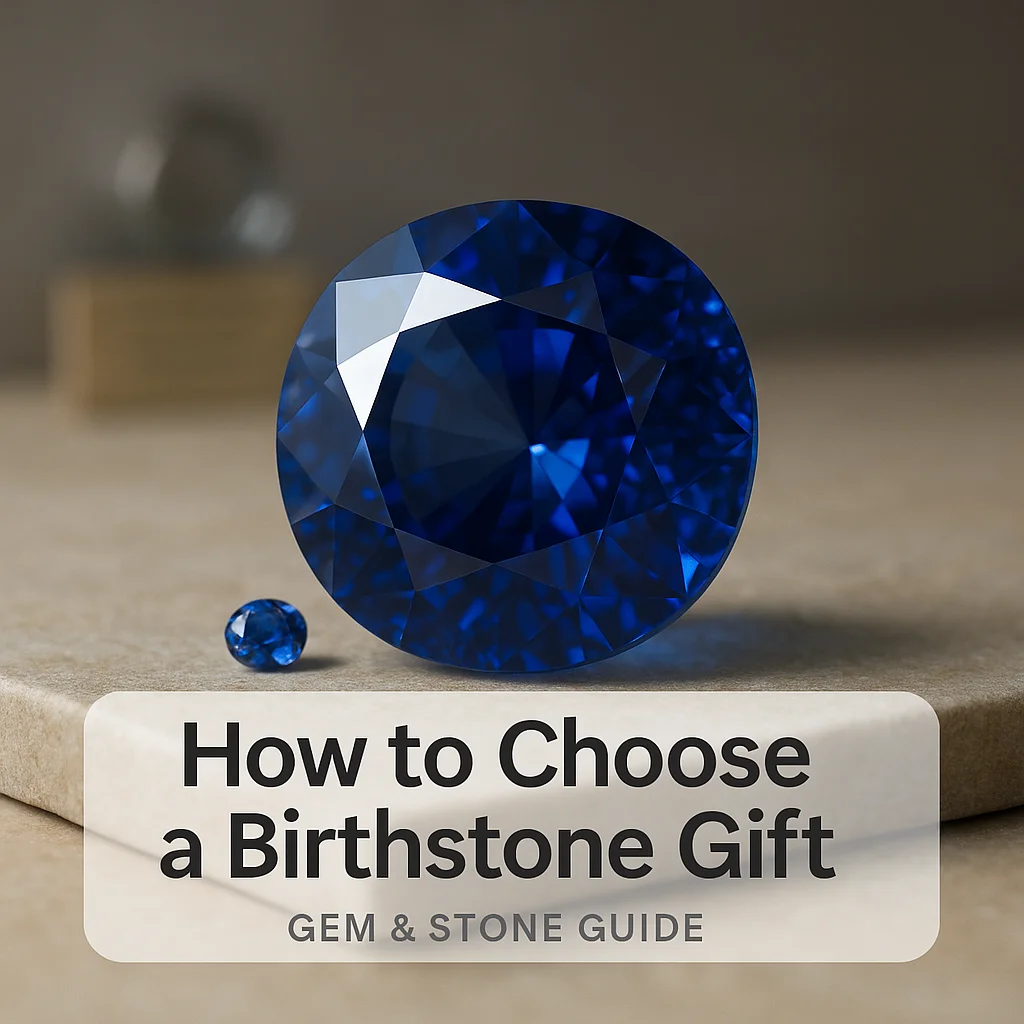
When considering a birthstone, it is essential to understand the type of gem, its properties, and its unique characteristics. Many birthstones are mineral gems, while others may be organic in origin, such as pearls. Birthstones are often favored in jewelry due to their vibrant colors and historical significance.
This article will guide you through the essential aspects of birthstones, including appearance, properties, origins, care, and buying tips, ensuring you make an informed choice for a birthstone gift.
🌍 Where It Comes From
The geological origins of birthstones play a crucial role in their unique properties. Different stones are formed in various geological settings. For instance, some birthstones like garnet and peridot form in igneous settings, while others like sapphire and ruby form under metamorphic conditions. Organic gems like pearls are produced in marine settings.
Birthstones are found in various parts of the world. For example, the famous blue sapphires often originate from regions in Asia such as Sri Lanka and Myanmar, known for their rich deposits. Emeralds are predominantly sourced from Colombia, Zambia, and Brazil. The source of a gemstone can influence its color and market reputation.
The origin of a birthstone can also have an impact on its perceived value. Stones from historically significant regions might command a premium price due to their established market reputation and unique qualities.
🔬 How It Forms
The formation process of birthstones involves several factors, including heat, pressure, and time. Minerals like sapphire and ruby are varieties of corundum, and their colors are due to trace elements, such as iron and chromium, present during their formation. Quartz varieties such as amethyst or citrine obtain their colors from iron and radiation exposure.
The crystalline structure of a gem influences its appearance and durability. Some stones are known for their crystal habit, which refers to the typical form a crystal grows in. For example, quartz forms distinctive hexagonal crystals, whereas emeralds often form in rectangular prismatic shapes.
The distinct color variations in gems result from chemical impurities or structural defects within their crystal lattice, making each stone unique.
🎨 Color and Look
Birthstones come in a range of colors and patterns, influenced by their elemental composition. For instance, garnets are known for their deep red hues, while amethyst boasts a purple shade. Some stones, like opals, exhibit optical effects such as play-of-color, characterized by the stone's shimmer and movement of color.
Cut and polish significantly affect a gemstone's appearance, enhancing its luster and overall aesthetic appeal. Clarity, although not crucial for all stones, contributes to their brightness and sparkle. Lighting conditions can also accentuate the colors of gems, with some showing enhanced color under natural light.
Many birthstones undergo treatments to improve color or clarity. Heat treatment is common for enhancing sapphire and ruby colors, while oiling is often used for emeralds to reduce visibility of inclusions.
🧪 Properties That Matter
The practical properties of birthstones determine their suitability for various jewelry types. Mohs hardness measures scratch resistance, critical for stones in rings that undergo daily wear. For example, sapphires and diamonds are very durable, while opals and pearls require more care due to their softer nature.
Toughness refers to a stone's resistance to chipping or breaking. Cleavage, or how a stone easily splits along defined planes, can influence its durability; diamonds have perfect cleavage, while quartz has none.
Luster describes the surface reflection of a gem and varies among stones. Pearls have a distinctive luster best described as soft and satiny, while diamonds project a bright shine.
✨ Meanings, Birthstones, and Culture
Birthstones hold traditional associations with specific months. For example, garnet is the birthstone of January, while sapphire represents September. These stones carry historical and cultural symbolism often linked to traits or qualities, such as garnet symbolizing protection and sapphire signifying wisdom.
Although birthstones are rooted in tradition, their meanings are often viewed symbolically. It's essential to approach these interpretations as suggestive rather than factual.
Modern jewelry practices continue to highlight birthstones for their beauty and personal significance, making them a popular choice for customized and meaningful jewelry pieces.
🧼 Care and Cleaning
Proper care ensures the longevity and brilliance of birthstone jewelry. The default method for cleaning most gemstones entails using gentle soap and warm water with a soft cloth, avoiding harsh chemicals.
Certain stones, such as opals and pearls, are sensitive to heat and should be kept away from sudden temperature changes. Extended soaking is generally not recommended as it may affect stone treatments or porous gems like turquoise.
When storing birthstones, protecting them from scratches is crucial. Keeping them in separate compartments or pouches will help maintain their luster and prevent damage.
🛒 Buying Tips and What to Check
Several factors influence the price and quality of birthstones. These include color intensity, clarity, cut precision, carat weight, and origin. A widely recognized origin, such as Colombian emeralds, can often increase a gem's value.
Inquiring about treatments and requesting a lab report is advisable for high-value stones. Lab reports provide insights into the stone's characteristics but can't always guarantee authenticity.
When purchasing online, ensure you have access to clear photos, a reliable return policy, and information about the seller's reputation and disclosure practices.
⚠️ Real vs Fake and Common Look-Alikes
Understanding the differences between natural, synthetic, and imitation stones is crucial for informed purchasing. Synthetic stones, such as lab-grown sapphires, share the same properties as their natural counterparts but are produced artificially. Imitation stones, like glass or plastic replicas, mimic the appearance but not the properties.
Assembled stones like doublets and triplets combine layers of natural and synthetic materials to enhance appearance while reducing cost. Thus, recognizing these differences requires professional testing.
Common look-alikes include synthetic moissanite, often mistaken for diamonds due to similar optical properties. Always rely on expert gemological assessments to confirm authenticity.
❓ Common Questions and Misconceptions
"Is it a mineral or a rock?" Most birthstones are minerals, with few exceptions like pearls, which are organic.
"Is it a birthstone?" Yes, each month has specific stones traditionally associated with it.
"Will it scratch easily?" The hardness varies; diamonds are hard, and pearls are softer.
"Can it go in water?" Generally, yes, but avoid soaking porous stones.
"Does color fade in sunlight?" Some stones, like amethyst, may fade with prolonged sun exposure.
"What treatments are common?" Heat treatments for color enhancement are frequently used.
"Is lab-grown 'fake'?" No, lab-grown stones have the same properties as natural ones but are created in controlled conditions.
"How do I store it safely?" Use padded compartments or separate pouches.
"Do inclusions always lower value?" Not always; some add character unless compromising clarity.
"How do I pick a good one for jewelry?" Consider durability, color, and setting style.
📌 Summary
- What it is: A gemstone associated with a birth month
- Typical colors/appearance: Vibrant colors with unique patterns
- How it forms: Igneous, metamorphic, or organic processes
- Key properties for wear: Hardness, toughness, clarity
- Common treatments/disclosures: Heat, dyeing, oiling
- Care and cleaning essentials: Gentle soap, avoid harsh conditions
- Best jewelry uses: Rings, pendants, earrings
- Common look-alikes: Synthetic, imitation stones
- How authenticity is confirmed: Lab reports, professional testing
- Buying checklist highlights: Photos, policies, disclosures
- Birthstone/cultural notes: Tradition-linked symbolism
- Memorable takeaway: Birthstones combine beauty with personal significance