💎 March Birthstone Aquamarine
🪨 What It Is
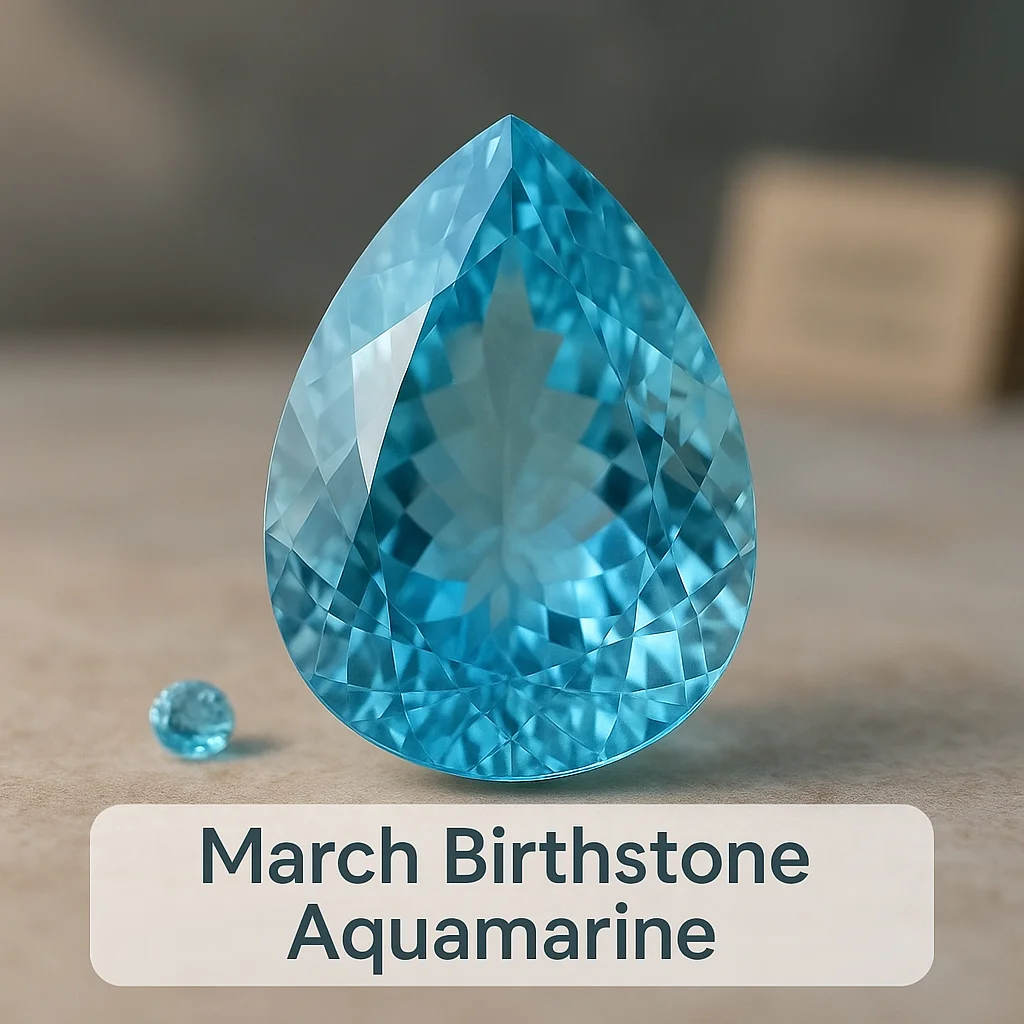
Aquamarine is a stunning gemstone that captivates with its clear, blue-green hues, reminiscent of the sea. It is a variety of the mineral beryl, known for its vibrant colors and crystal clarity. As the March birthstone, aquamarine is highly popular in jewelry, loved for its calming appearance and elegance.
This article aims to provide a beginner-friendly guide to aquamarine. You'll learn about its physical characteristics, its geological origins, and how this mineral is formed. Additionally, we’ll discuss how to care for aquamarine jewelry and provide tips for selecting quality pieces.
Understanding aquamarine's distinct characteristics and cultural significance can enhance your appreciation and confidence when choosing this beautiful gemstone. Whether you're looking to buy an aquamarine jewel or simply expand your knowledge, this guide covers everything you need to know.
🌍 Where It Comes From
Aquamarine is primarily found in granite pegmatites, which are igneous rock formations known for hosting a variety of minerals. These rocks form deep within the Earth's crust under specific conditions of temperature and pressure, allowing beryl crystals to develop over millions of years.
Major aquamarine deposits are found in Brazil, which is particularly renowned for its high-quality stones. Other notable sources include Nigeria, Madagascar, Pakistan, and several countries in Africa and Asia. The location can influence the gemstone's color and clarity, making some regions more desirable for sourcing high-quality stones.
The geological origins of aquamarine affect its overall appearance and market reputation. In some cases, stones from specific regions are preferred due to their unique color saturation or crystal clarity. Knowing the origin of an aquamarine helps in making informed purchasing decisions.
🔬 How It Forms
To form aquamarine, beryl requires specific geological conditions. It begins with the crystallization of beryllium, which combines with aluminum, silicon, and oxygen under high temperatures within the Earth's crust. Over time, trace amounts of iron infiltrate the crystal structure, giving aquamarine its blue-green color.
The presence of iron and its interactions within the crystal lattice differentiate aquamarine from other beryl varieties like emerald. While emeralds derive their color from chromium or vanadium, aquamarine's hues range from light sky blue to deep sea blue, depending on iron content and other geological factors.
Typically found as hexagonal crystals, aquamarine can range in size from small grains to impressive large specimens. The hexagonal crystal habit is a common trait among beryl minerals, contributing to aquamarine's aesthetic and dimensional appeal in jewelry.
🎨 Color and Look
Aquamarine's color spectrum spans from pale blues to more saturated blue-greens. The finest aquamarines are those with a strong blue hue, sometimes a hint of green, displaying a serene and transparent quality. The color can be influenced by the stone's cut and the light it is viewed under.
Enhancing aquamarine's appearance often involves careful cutting and polishing. These processes improve the stone's luster and brilliance, ensuring it reflects light beautifully. While aquamarine's natural clarity is generally high, skilled gem cutters aim to maximize this attribute.
Common treatments for aquamarine involve heat, which can enhance the blue tint while reducing any green overtones. It's important to understand that these treatments are widely accepted in the gem industry and serve to optimize the visual appeal of the gemstone.
🧪 Properties That Matter
Aquamarine has a Mohs hardness rating of 7.5 to 8, making it relatively resistant to scratching. This durability suits it well for everyday wear in various types of jewelry. However, while aquamarine is fairly hard, it is not immune to chipping if subjected to severe impacts.
Aquamarine's toughness, defining how well it resists chipping, is considered good, though care should still be taken during wear. Cleavage is the tendency of a mineral to break along specific planes. Aquamarine has imperfect cleavage, so employing caution l when setting or wearing is advisable.
The luster of aquamarine is vitreous, meaning it has a glass-like sheen that adds to its allure. Its transparency often ranges from transparent to translucent, which significantly enhances its appeal when fashioned into jewelry.
✨ Meanings, Birthstones, and Culture
Throughout history, aquamarine has been traditionally associated with the sea and known as the sailor's gem, believed to offer protection and safe voyages. Its name derives from the Latin "aqua marina," meaning "sea water," highlighting its oceanic hues.
As the birthstone for March, aquamarine is said to inspire harmony and tranquility. In modern jewelry traditions, it is commonly gifted to those born in this month, but its soothing color appeals universally.
It's important to recognize that these meanings and beliefs are based on cultural traditions and folklore. While they add to aquamarine's charm and popularity, they do not imply any scientifically proven benefits.
🧼 Care and Cleaning
To maintain aquamarine's beauty, it is advisable to clean the stone using mild soap and warm water. Gently scrub with a soft cloth or brush to remove any accumulated dirt or oils. Avoid harsh chemicals or ultrasonic cleaners which might damage the stone.
When storing aquamarine jewelry, keep it away from harder gemstones like diamonds to prevent scratches. Wrapping it in a soft cloth or placing it in a separate compartment in your jewelry box is a good precaution.
Aquamarine should be protected from high heat and sudden temperature fluctuations, which can cause it to crack or damage existing fractures. Routine cleaning ensures long-lasting shine and durability.
🛒 Buying Tips and What to Check
When purchasing aquamarine, look for stones with vibrant colors and few visible inclusions. The more intense the color, the higher its value. Clarity is also important, with fewer inclusions typically indicating higher quality.
Consider the cut and carat weight, as these factors impact the stone's appearance and price. Jewelry with high-quality cutting will enhance aquamarine's natural brilliance and make color even more appealing.
If possible, request lab reports that confirm the gemstone's authenticity and disclose any treatments. This precaution is vital when buying high-value stones and verifies quality through professional evaluation.
⚠️ Real vs Fake and Common Look-Alikes
Natural aquamarine is distinguished from synthetic (lab-grown) varieties by its growth patterns and inclusions, typically identified through gemological testing. Synthetics are not "fake," but their origin differs.
Imitation aquamarines can include glass or plastic, crafted to mimic the gem's color. Assembled stones, like doublets or triplets, may consist of layers of material bonded to create a convincing look.
Aquamarine has several look-alikes, such as blue topaz, that may cause confusion. Professional identification ensures authenticity, as certain characteristics cannot be discerned through casual observation.
❓ Common Questions and Misconceptions
Is it a mineral or a rock? Aquamarine is a mineral, specifically a variety of beryl.
Is it a birthstone? Yes, aquamarine is the modern birthstone for March.
Will it scratch easily? Aquamarine is relatively hard with a Mohs rating of 7.5 to 8, making it resistant to scratches.
Can it go in water? Yes, aquamarine can be safely cleaned in water using mild soap.
Does color fade in sunlight? Extended exposure to sunlight may cause slight fading, so it's best to store it away from direct sun.
What treatments are common? Heat treatment is typical to enhance blue hues in aquamarine.
Is lab-grown 'fake'? No, lab-grown aquamarines are genuine beryl, just created in a controlled environment.
How do I store it safely? Keep aquamarine wrapped in a soft cloth and stored separately from harder gemstones.
Do inclusions always lower value? Not always. While clarity is important, minor inclusions may not significantly impact value.
How do I pick a good one for jewelry? Look for vibrant color, high clarity, and skilled cutting.
📌 Summary
- Aquamarine is a mineral known for its beautiful blue-green hue.
- Typical colors range from light sky blue to deeper sea blue-green.
- Forms in igneous rock formations and is colored by iron.
- Mohs hardness of 7.5-8 makes it scratch resistant but watch for chipping.
- Common treatments include heat to improve color.
- Clean with mild soap, water, and a soft cloth, avoiding harsh chemicals.
- Best for rings, pendants, and earrings due to its appealing color and hardness.
- Look-alikes include blue topaz; professional identification is recommended.
- Authenticity can be confirmed via lab reports, ensuring real versus synthetic.
- Checklists for buying should include color, clarity, carat, and trusted seller.
- Linked to March, traditionally associated with the sea and serenity.
- Aquamarine's unique color and clarity make it a mesmerizing gemstone choice.