💎 Budget Buying Guide Best Value Stones
🪨 What It Is
Stones that offer the best value are often those that combine aesthetic appeal with affordability and durability. These stones can be used in a variety of jewelry and decorative applications, making them an excellent choice for those on a budget. They may include both natural and man-made gems, and understanding the differences is key to making an informed decision.
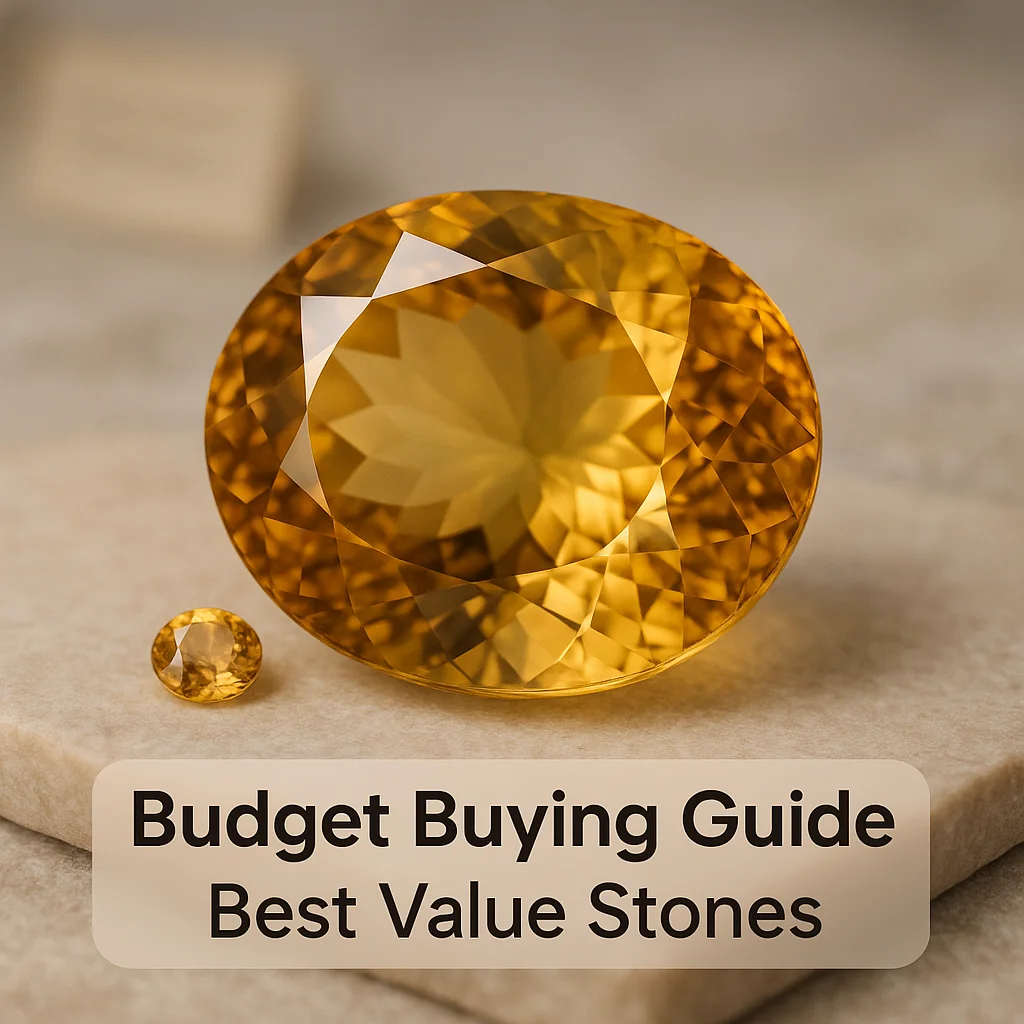
In this guide, we will explore various types of budget-friendly stones, discussing their appearances, properties, and tips for purchasing. Whether you're looking for a birthstone or a beautiful gem for everyday wear, you'll find helpful information to guide your selection process.
We will also provide insight into how to properly care for these stones to maintain their beauty, as well as guidelines for distinguishing genuine stones from imitations. Our goal is to help you make a confident and informed purchase that meets your needs and budget.
🌍 Where It Comes From
Most gemstones are formed in the Earth's crust under specific conditions of heat and pressure. Common geological settings for these stones include igneous environments where minerals crystallize from molten rock, metamorphic settings where temperature and pressure transform existing rocks, and sedimentary deposits where minerals are derived from water or wind action.
Stones like quartz, amethyst, and citrine are often found in sedimentary rocks and are known for their affordability and widespread availability. The wide distribution and variety of these stones make them an excellent choice for budget-conscious buyers. Other stones, such as turquoise and certain types of jasper, typically form in specific regions with unique geological conditions.
The origin of a stone can influence its market value, color, and clarity. For example, some stones from certain regions may be prized for their vibrant colors or exceptional clarity, though often this isn't crucial for budget stones. When considering purchase decisions, it's important to know how these factors might impact price and appeal.
🔬 How It Forms
Gemstones undergo diverse formations depending on geological processes. For example, quartz forms in a wide range of environments and can take different colors based on trace minerals or impurities. Amethysts get their purple hue from iron impurities and radiation over time, often forming in geodes or volcanic rocks.
Sapphires and rubies are varieties of the mineral corundum, colored by trace elements like chromium or iron. While these stones can be more expensive, lab-created versions provide more budget-friendly alternatives with similar properties and appearances.
The crystal habit of stones, or their common physical forms, affects how they are cut and used in jewelry. Understanding the natural formation of a gemstone can help buyers choose stones that suit their tastes and intended uses.
🎨 Color and Look
Gemstones exhibit a wide range of colors, often influenced by their mineral composition and trace elements. For example, quartz varieties can appear in colors such as purple (amethyst), yellow (citrine), and clear (rock crystal). These stones may also display unique optical effects like chatoyancy or color change, adding to their visual appeal.
The cut and polish of a gemstone significantly affect its appearance and are crucial elements in how it interacts with light. High-quality cuts can enhance a stone's color and clarity, while low-quality cuts may muddle or obscure these features.
Common treatments like heating or dyeing can enhance a stone's appearance but also affect its value. It's important to inquire about such treatments when considering purchases, as they may alter the stone's longevity or resale value.
🧪 Properties That Matter
The Mohs hardness scale is essential for understanding a stone's scratch resistance. For example, quartz ranks at 7 on the scale, making it suitable for daily wear in rings and pendants. Other stones, like turquoise or opal, have lower rankings, indicating they require more cautious handling.
Toughness, or chipping resistance, varies among stones. Some, like jade, are known for their durability, while others, such as tanzanite, need careful wear and storage. Cleavage, the tendency to break along specific planes, also affects a stone's durability and is important to consider for settings and general usage.
Luster and transparency impact a stone's shine and overall appeal. Stones like topaz may have a vitreous (glass-like) luster, enhancing their beauty and value, especially when well-cut and polished. Understanding these factors helps in selecting stones that fit both aesthetic and practical needs.
✨ Meanings, Birthstones, and Culture
Many gemstones are traditionally associated with cultural symbolism and folklore. For example, amethyst is often linked to February as a birthstone and is thought to embody clarity and peace. While these associations are cultural and not scientifically proven, they add an interesting dimension to gemstone selection.
Gemstones often hold a place in modern jewelry traditions as well. Birthstone jewelry remains a popular gift choice, linking personal and cultural significance. Such traditions add sentimental value, although not directly contributing to market value.
Exploring these symbolic meanings can deepen appreciation for a stone and influence purchase decisions, especially when selecting gifts or personal items meant to carry personal significance.
🧼 Care and Cleaning
Caring for gemstones involves gentle practices to maintain their beauty and longevity. Most stones can be cleaned with mild soap and water, and a soft cloth can be used to polish them. It's best to avoid harsh chemicals that can damage certain minerals or treatments.
Special care should be taken with porous or soft stones like opal and pearl, which can be damaged by heat, chemicals, or prolonged soaking. These stones need to be stored separately in soft pouches or lined boxes to prevent scratching.
Avoiding sudden temperature changes can also protect stones, as rapid heating or cooling can cause fractures. Proper and regular maintenance keeps stones in their best condition and extends their lifespan.
🛒 Buying Tips and What to Check
When purchasing gemstones, it's important to consider factors like color, clarity, cut, and carat weight. These elements significantly influence a stone's quality and price. Origin, while a factor in some cases, is generally less critical for budget stones.
Ask about treatments and request a gemological report for higher-value stones. This report can confirm the stone's authenticity and detail any treatments applied, though it doesn’t guarantee value.
When buying online, ensure photos are clear, check return policies, and consider the seller's reputation. Proper disclosure and a guarantee of authenticity protect your investment and ensure satisfaction with your purchase.
⚠️ Real vs Fake and Common Look-Alikes
Knowing the difference between natural, synthetic, and imitation stones is crucial. Natural stones form over time without human intervention, while synthetic ones are lab-grown, often matching the chemical composition and appearance closely.
Imitation stones, made of glass or plastic, mimic the look of real stones but lack the same properties. Doublets and triplets are assembled stones that may include non-gem layers, used to enhance appearance at a lower cost.
Common look-alikes, such as glass or cubic zirconia resembling diamonds, can be misleading. Reliable identification requires professional testing, beyond the scope of home experiments, ensuring you get what you intend to purchase.
❓ Common Questions and Misconceptions
Is it a mineral or a rock? Many gemstones are minerals, organic gems are derived from biological sources, and rocks can also encase certain gems.
Is it a birthstone? Several budget gemstones serve as birthstones; for instance, amethyst is February's birthstone.
Will it scratch easily? Hardness varies; quartz is fairly hard, while softer stones like turquoise can scratch easily.
Can it go in water? Most stones can be briefly washed, but long exposure, especially for porous stones, should be avoided.
Does color fade in sunlight? Some stones may fade with prolonged exposure; storing them away from sunlight prolongs vivid colors.
What treatments are common? Common treatments include heat and dyeing; always ask sellers for information.
Is lab-grown 'fake'? Lab-grown stones are real in composition but not naturally formed; they offer affordable alternatives.
How do I store it safely? Use soft, separate pouches to prevent scratching, and avoid exposure to aggressive environments.
Do inclusions always lower value? Not always; some inclusions are accepted or valued for contributing to a stone's uniqueness or stability.
How do I pick a good one for jewelry? Choose based on use: durability and appearance matter most for rings, while size and flash may suit necklaces or earrings.
📌 Summary
- A gemstone can be a mineral, rock, or organic material used in adornment.
- Colors can range broadly; includes natural hues and treatment-augmented shades.
- Forms under specific geological conditions such as heat and pressure over time.
- Durability traits include hardness, toughness, and wear-resistance, vital for jewelry.
- Treatments like heating and dyeing are commonplace; inquire about disclosures.
- Care involves gentle handling; storages use soft materials to prevent damage.
- Rings need hard stones; decorate softly or protect earrings and pendants.
- Look-alikes abound; fake stones include glass, plastics, and composites.
- Authenticity confirmed through professional reports, not home tests.
- Check for clarity, cut, and treatment disclosure to ensure quality.
- Many are birthstones, carrying personal and cultural significance.
- Remember: informed buying protects your purchase; science leads the way.