💎 Clarity Inclusions What Is Acceptable
🪨 What It Is
When discussing gemstones, the term "clarity" refers to the presence or absence of internal or surface-reaching characteristics known as inclusions. These natural features are formed during the crystal's growth and can influence a gemstone's overall appearance and value. Clarity is a key aspect that gemologists assess when determining the quality of a gemstone.
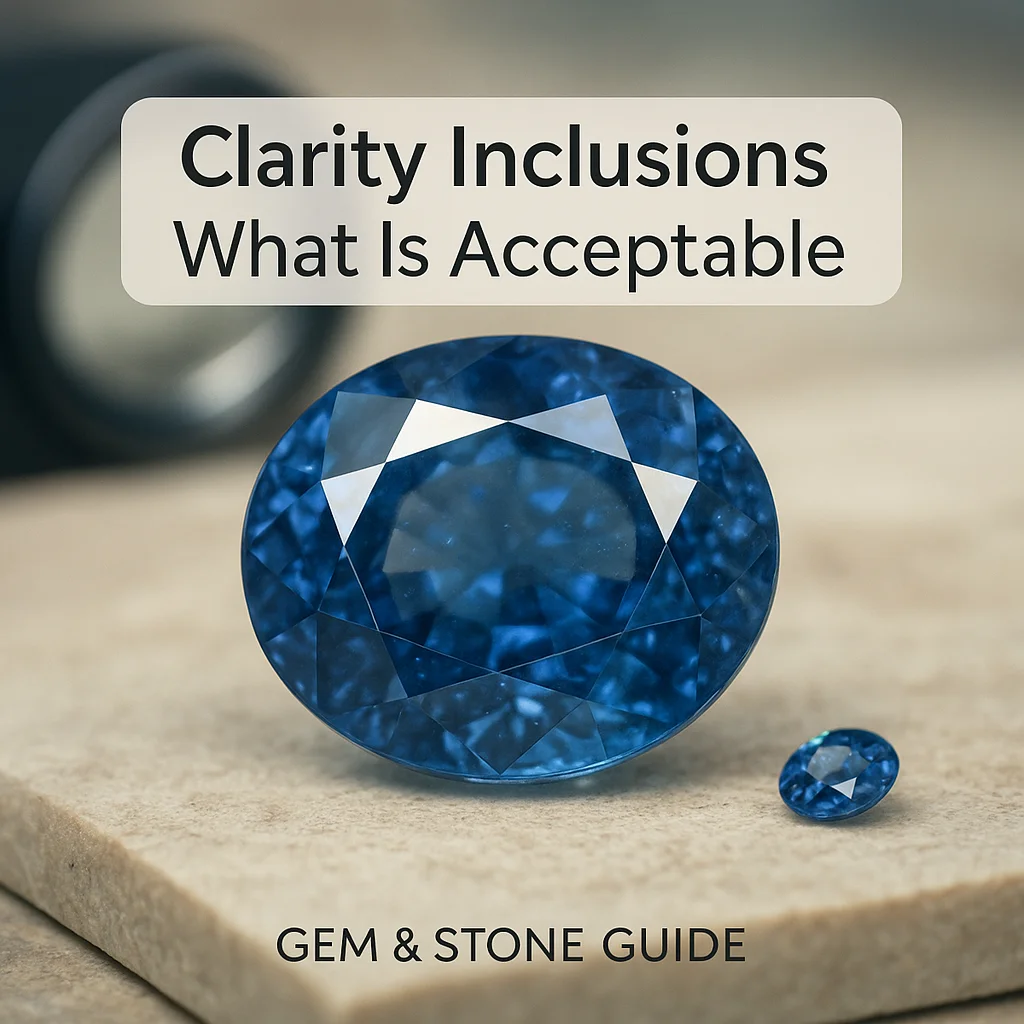
Inclusions can take various forms, such as minerals, fluid pockets, or structural imperfections within the gemstone. They may appear as a cloud, feather, needle, or crystal, among other shapes. Although inclusions can affect a gemstone's clarity, they are also indicators of natural formation, distinguishing genuine gems from synthetic or treated stones.
The topic of what is acceptable in terms of clarity and inclusions is vital for both collectors and jewelry enthusiasts. This article aims to illuminate this topic by exploring how inclusions form, their impact on value and aesthetics, and practical considerations for buying gemstones with inclusions.
🌍 Where It Comes From
Gemstones are typically formed in specific geological environments. These environments can broadly be categorized as igneous, metamorphic, or sedimentary. Each setting offers unique conditions that contribute to a gemstone's growth, resulting in the various inclusions that may be present.
For instance, diamonds, which often contain minute inclusions, are formed deep in the Earth's mantle under extreme pressure and temperature. They are brought to the surface through volcanic eruptions. Emeralds, on the other hand, are found in metamorphic rocks and often exhibit inclusions that look like "jardin," or garden-like patterns.
Origin plays a significant role in determining the clarity of a gemstone. Some regions like Myanmar for rubies or Colombia for emeralds are renowned for producing stones with desirable clarity characteristics. However, each stone is unique, and clarity inclusions can vary widely even within the same region.
🔬 How It Forms
Gemstones are the result of natural processes involving heat, pressure, fluids, and time. These factors combine to create crystals with varying degrees of clarity. Inclusions form during this crystal growth period and can be caused by trapped minerals, changes in growth conditions, or structural stresses.
The color of gemstones, such as sapphires or rubies, is often influenced by trace elements like chromium or iron and titanium. These elements can also contribute to inclusions. For instance, hematite inclusions might appear in corundum, the mineral family that includes sapphires and rubies, impacting their clarity and color.
Gemstones can form as individual crystals, in clusters, or as part of geodes and nodules. The type and the amount of inclusions a gemstone displays may depend significantly on how it forms and the specific conditions present during its formation.
🎨 Color and Look
Gemstones come in a dazzling variety of colors and appearances. Color is determined by the gemstone's intrinsic properties, such as the elements present, clarity, and the way it interacts with light. Some stones exhibit unique optical effects like chatoyancy, which is the "cat's eye" effect, or asterism, where star-shaped patterns appear.
The appearance of a gemstone is highly influenced by its cut and polish. A well-cut stone will enhance its natural color and minimize the visibility of inclusions. Lighting conditions also play a role: natural light might highlight certain aspects of a gem's clarity, while artificial light could accentuate others.
Treatments like heat treatment or oiling are sometimes used to improve clarity and color. While effective, these treatments can alter the gem's natural appearance, and full disclosure from sellers is considered best practice within the industry.
🧪 Properties That Matter
The practical properties of gemstones make them suitable for different types of jewelry. One such property is Mohs hardness, which measures a mineral's scratch resistance. For example, diamonds rank highest with a Mohs hardness of 10, making them excellent for daily-wear rings.
Toughness, or the ability to resist chipping, is another important property, varying widely among gemstones. Opals, for instance, are more fragile than sapphires and better suited to pendants rather than rings.
Cleavage refers to a gemstone's tendency to split along specific lines. Gemstones like topaz have perfect cleavage, requiring careful handling to avoid accidental breaks. Luster, the way a gem reflects light, can vary from vitreous in quartz to greasy in jade, impacting the overall visual appeal.
✨ Meanings, Birthstones, and Culture
Throughout history, gemstones have been associated with cultural symbolism, birthstone designations, and folklore. For example, emeralds are often linked to renewal and rebirth and are the birthstone for May. Though these associations are rooted in tradition, they continue to influence modern jewelry practices.
Birthstones have cultural significance and are often believed to bring good luck or health, though these effects are not scientifically validated. Each month has an associated gemstone, like amethyst for February or sapphire for September, influencing cultural and gifting traditions.
Despite the lack of empirical evidence supporting these symbolic meanings, they remain an integral part of the gemstone's cultural heritage, adding a layer of depth to their value and appeal.
🧼 Care and Cleaning
Proper care and cleaning of gemstones ensure their longevity and beauty. Generally, using gentle soap and water with a soft cloth is recommended for regular cleaning. Harsh chemicals, ultrasonic cleaners, and steam cleaning should be avoided unless specifically advised.
Some gemstones, like opals or pearls, are porous or treated, requiring special care to avoid damage. These stones should be kept away from prolonged soaking and extreme temperature changes, which can cause cracks or color changes.
Storing gemstones properly is crucial to prevent scratches. Keeping them in individual soft pouches or compartments in a jewelry box is a practical solution for maintaining their condition over time.
🛒 Buying Tips and What to Check
When purchasing gemstones, several factors influence their price and quality: color, clarity, cut, carat size, and origin reputation. A reputable source will provide details about any treatments a gemstone has undergone, which can impact its value significantly.
For high-value stones, obtaining a lab report that details the gemstone's characteristics and authenticity can offer peace of mind. While reports can't guarantee all aspects of a gem's quality, they help verify that the stone is as described.
Online buyers should scrutinize photos, check return policies, research seller reputations, and ensure proper disclosure of gemstone enhancements or treatments to make informed decisions.
⚠️ Real vs Fake and Common Look-Alikes
In the gemstone market, distinguishing between natural, synthetic (lab-grown), and imitation stones is crucial. Synthetic stones are chemically identical to natural gems but created under controlled conditions, while imitation stones often use materials like glass or plastic.
Assembled stones, such as doublets or triplets, are composed of multiple pieces bonded together, often to enhance appearance or make them look like more expensive gems. Awareness of these distinctions is key to making informed purchase decisions.
Common look-alikes, such as cubic zirconia for diamonds or synthetic spinel for sapphires, can easily confuse buyers. Professional testing conducted by gemologists offers the most reliable identification of gemstones, as home tests may not be accurate or safe.
❓ Common Questions and Misconceptions
Is it a mineral or a rock? Most gemstones are minerals, with specific chemical compositions and crystal structures.
Is it a birthstone? Yes, each month has a designated birthstone, like garnet for January.
Will it scratch easily? Some gemstones, like diamonds, are highly scratch-resistant, while others, like talc, are not.
Can it go in water? Most gemstones can be cleaned with water, but porous stones should be kept dry.
Does color fade in sunlight? Prolonged exposure can cause some stones, like amethyst, to fade.
What treatments are common? Heat treatment and oiling are common to enhance clarity and color.
Is lab-grown 'fake'? No, lab-grown gems have the same properties but are created differently.
How do I store it safely? Use soft pouches or jewelry boxes to prevent scratches.
Do inclusions always lower value? Not always; they can also confirm a gem's natural origin.
How do I pick a good one for jewelry? Consider clarity, color, cut, and setting type for best results.
📌 Summary
- Clarities are key characteristics in gemstone evaluation.
- Typical colors and appearances vary by stone type.
- Gemstone formation involves natural conditions over time.
- Properties like hardness and toughness determine best uses.
- Common treatments include heat and oiling.
- Gentle cleaning with soap and water is recommended.
- Rings require higher durability than pendants or earrings.
- Many look-alikes exist; professional tests confirm authenticity.
- Buying wisely involves comparing aspects like clarity and cut.
- Birthstones add cultural and gifting significance.
- Knowing inclusions provides insight into natural origins.
- Select stones based on personal preference and informed choice.