💎 Fracture Filled Ruby How to Detect
🪨 What It Is
Fracture-filled ruby refers to a type of ruby where fractures or cracks within the gemstone have been filled with glass or other substances to enhance its transparency and appearance. Rubies themselves are a variety of the mineral corundum, known for their captivating red color, which is primarily due to the presence of chromium.
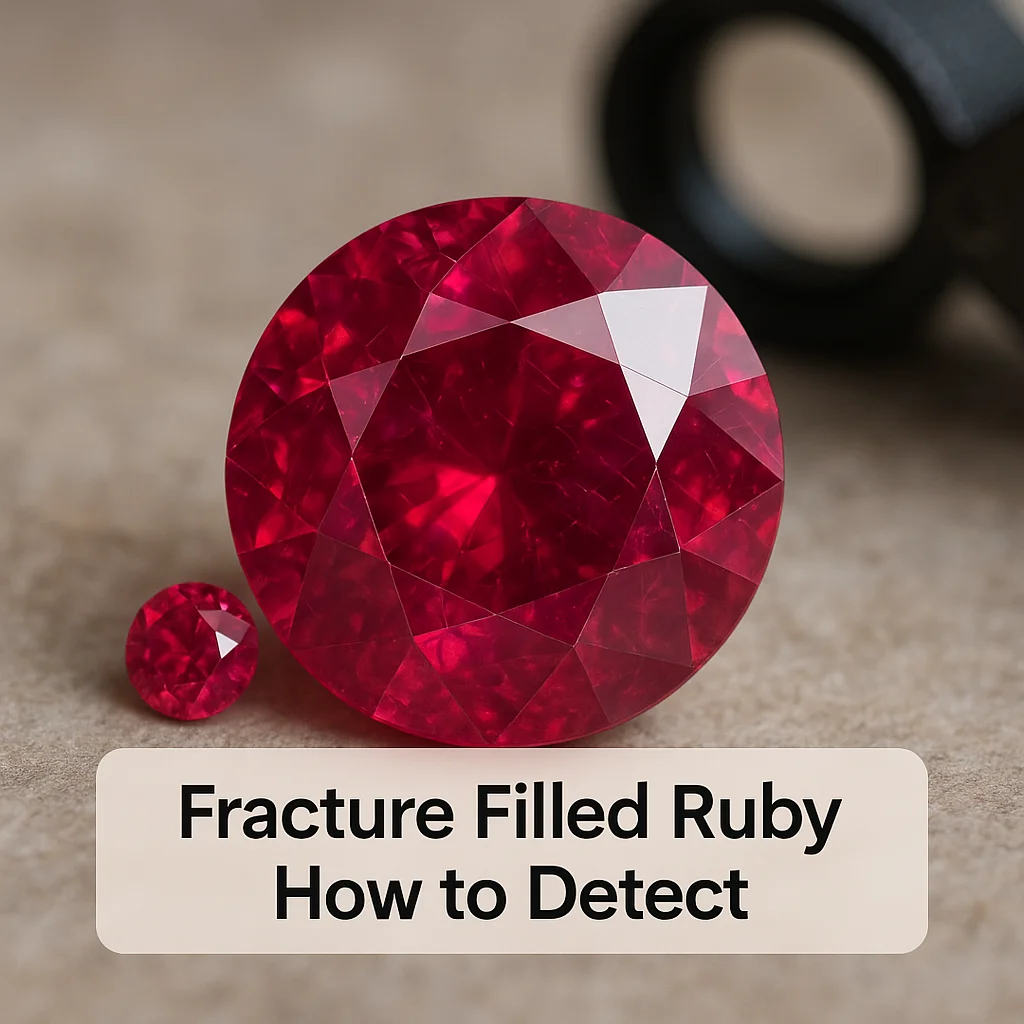
As one of the most popular gemstones in the world, rubies are prized for their vibrant hue and are often associated with luxury and rarity. Fracture-filled rubies offer a more affordable alternative to those seeking the beauty of ruby without the corresponding high price tag.
This article will guide you through understanding what fracture-filled rubies are, how to detect them, and what to consider when buying and caring for these gemstones.
🌍 Where It Comes From
Rubies are typically found in metamorphic rock formations such as marble and basalt. These stones can also occur in alluvial deposits, where they have been transported and deposited by water action. While some of the highest-quality rubies originate from Myanmar (formerly Burma), other notable sources include Thailand, Sri Lanka, and parts of East Africa.
The origin of a ruby can significantly affect its value, with Burmese rubies being among the most highly valued due to their exceptional color and clarity. However, fracture-filled rubies can originate from various regions, where lower-quality rubies that may not be marketable are treated for improvement.
Understanding the origin of a ruby helps collectors and enthusiasts determine its potential color quality and rarity. Still, it is essential to remember that the treatment of rubies can sometimes mask or alter these natural attributes.
🔬 How It Forms
Rubies form under intense heat and pressure conditions deep within the Earth's crust. The presence of chromium in the corundum gives rubies their distinctive red color. When these minerals are subjected to appropriate geological conditions over millions of years, they crystallize into the gemstones we admire.
Natural rubies can have various inclusion patterns and blemishes unique to their formation process. Fractures are common in natural stones and often reduce the stone's transparency and brilliance. Fracture filling involves infusing the stone with a glass-like material to fill these fractures and enhance the stone's appearance.
This treatment makes previously less desirable rubies suitable for use in jewelry by improving their transparency and allowing them to exhibit a richer color when light transmits through them.
🎨 Color and Look
Fracture-filled rubies typically range in shades of red, from pinkish-red to deep, vivid red. The filling process can also enhance the stone's color, adding to its visual appeal. The appearance of a ruby often depends on its cut and polish, which affect how light interacts with the stone.
Lighting can greatly influence a ruby's appearance, with natural sunlight often bringing out the best in its color. When properly cut and polished, rubies can display a brilliant shine that is highly sought after in gemstones.
Common treatments for rubies, aside from fracture filling, include heat treatment, which helps deepen the color. These treatments are widely accepted in the gem industry and are an important aspect to discuss when purchasing a ruby, to ensure informed buying decisions.
🧪 Properties That Matter
Rubies are known for their durability, with a Mohs hardness of 9, indicating their ability to resist scratching. This makes them ideal candidates for frequent wear, such as in rings and bracelets. However, they can still chip or crack upon high-impact due to their crystalline nature.
The toughness of rubies, which refers to resistance against breaking or chipping, is moderate. Proper care must be taken to avoid harsh impacts. Rubies typically display vitreous luster, a glass-like sheen that contributes to their overall beauty.
Fracture-filled rubies have improved transparency due to the filling process but may present vulnerabilities in their filled areas. This necessitates careful handling to prevent damage to these treated parts.
✨ Meanings, Birthstones, and Culture
Throughout history, rubies have been traditionally associated with love, passion, and courage. As July's birthstone, rubies are favored for their symbolic strength and vibrant energy. These cultural associations have been woven into jewelry traditions around the world.
While many cultures revere rubies as symbols of power and wealth, these interpretations are based on tradition rather than scientific evidence. It's important to appreciate these gems for their beauty and historical significance without attributing mystical properties to them.
Nonetheless, the deep-rooted cultural symbolism surrounding rubies can add personal meaning to those who choose to wear or give them as jewelry pieces.
🧼 Care and Cleaning
When cleaning fracture-filled rubies, it's essential to use mild soap and water along with a soft cloth. Harsh chemicals and abrasive cleaning solutions should be avoided, as they can damage the treated areas of the gemstone.
Avoid exposing the ruby to extreme heat and sudden temperature changes, which could impact the integrity of the filling substance. Prolonged soaking should also be avoided to prevent any weakening of the gem's bonds.
Store rubies separately from harder stones to prevent them from getting scratched or chipped. Using fabric-lined boxes or individual pouches can help maintain their condition over time.
🛒 Buying Tips and What to Check
When purchasing a fracture-filled ruby, ask your jeweler about the treatments that have been applied. This transparency ensures you are aware of what you're buying and helps in understanding the pricing of the stone.
Factors such as color, clarity, and carat weight play crucial roles in determining a ruby's price. While untreated rubies may be valued higher, well-treated fracture-filled rubies can still offer great beauty at a more accessible price point.
Requesting a gemological lab report for valuable purchases can provide further assurance of quality. When buying online, pay attention to seller reputation, return policies, and whether full disclosure of treatments is provided.
⚠️ Real vs Fake and Common Look-Alikes
Fracture-filled rubies are genuine gemstones treated to improve their quality, but they may be mistaken for synthetic rubies or imitations. Synthetic rubies are created in laboratories and possess the same chemical properties as natural ones but without natural inclusions.
Common ruby imitations include red glass, plastic, and composite stones created from assembling various materials. Distinguishing these requires professional evaluation and often specialized equipment.
It is always advisable to seek professional gemstone identification services to confirm the authenticity and treatment status of a ruby, as relying solely on visual inspection can be misleading.
❓ Common Questions and Misconceptions
"Is it a mineral or a rock?" The ruby is a mineral, specifically a variety of corundum.
"Is it a birthstone?" Yes, ruby is the birthstone for July.
"Will it scratch easily?" With a hardness of 9, rubies are quite resistant to scratches.
"Can it go in water?" Yes, but prolonged exposure should be avoided, especially for fracture-filled rubies.
"Does color fade in sunlight?" Rubies generally do not fade in sunlight.
"What treatments are common?" Fracture filling and heat treatment are common for rubies.
"Is lab-grown 'fake'?" No, lab-grown rubies have the same properties as natural ones but are produced artificially.
"How do I store it safely?" Store rubies separately from other gems, preferably in soft pouches or fabric-lined boxes.
"Do inclusions always lower value?" Not always; some inclusions are accepted, especially if they do not affect the stone's transparency.
"How do I pick a good one for jewelry?" Consider color saturation, clarity, and confirm treatment disclosures for an informed choice.
📌 Summary
- Fracture-filled rubies are natural rubies enhanced by filling processes.
- They range in color from pinkish-red to deep red, often brightened by treatments.
- Formed under heat and pressure, rubies contain chromium, giving them red hues.
- Rubies possess high scratch resistance but moderate toughness.
- Treatments like filling and heating enhance transparency and color.
- Clean gently with soap and water; avoid harsh chemicals and long soaking.
- Perfect for rings, pendants, and earrings due to their durability and beauty.
- Can be confused with synthetic or composed imitations.
- Authenticity requires professional evaluation; lab reports are beneficial.
- Ask retailers about treatments and origins when buying, especially online.
- July's birthstone, ruby, carries cultural significance and traditional associations.
- Remember: treated rubies provide beautiful options at accessible prices.