💎 How to Buy Gemstones Online Safely
🪨 What It Is
Gemstones are naturally occurring crystalline forms of minerals, prized for their beauty, rarity, and durability. They can also be organic materials like pearls and amber. Gemstones are used for personal adornment, decorative objects, and metaphysical beliefs, although scientific claims about healing properties are not supported.
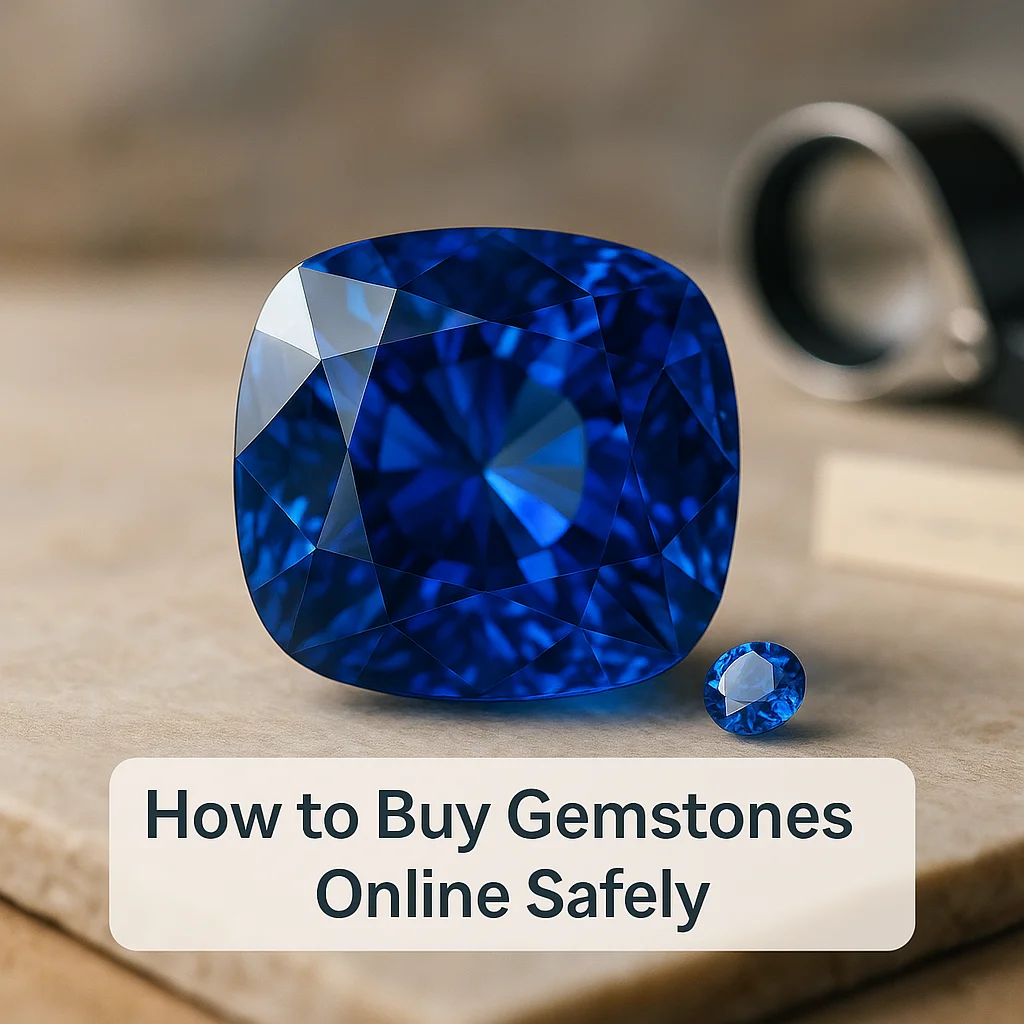
For centuries, gemstones have been treasured by various cultures worldwide for their vibrant colors and sparkling appearances. They come in a wide array of varieties such as sapphires, rubies, emeralds, and diamonds—each with unique visual and physical characteristics.
Before purchasing gemstones online, beginners will learn about key aspects including appearance, properties, origin, values, care guidelines, and important tips for buying safely.
🌍 Where It Comes From
Gemstones form in diverse geological environments. Some originate from igneous rocks, formed through the cooling of magma. Others, like diamonds, originate deep within the Earth's mantle and reach the surface through volcanic eruptions. Metamorphic processes, which involve heat and pressure, produce many gemstones such as garnet and kyanite.
Sedimentary and hydrothermal processes also play a role in the formation of gemstones. Sedimentary environments can lead to the formation of nodular opals, whereas hydrothermal processes involve mineral-rich hot water forming crystals like quartz in veins within rock.
Gemstone origin can influence factors like color and clarity. For instance, sapphires from Kashmir are well-known for their exceptional color and command higher prices. While particular regions are renowned for producing specific gemstones, many stones are found across Africa, Asia, and other parts of the world, reflecting the variety of geological settings in which they form.
🔬 How It Forms
The formation of gemstones involves specific conditions over considerable time. Heat, pressure, and fluid presence are critical components. For example, in the presence of chromium, corundum forms rubies, while the presence of iron and titanium leads to blue sapphires.
Crystals can grow as single pointy objects known as euhedral crystals or in massive, interlocking shapes. Quartz, one of the most common minerals, can take the form of hexagonal crystals often found in geodes, making them popular among collectors for their intricate forms.
Color variations within specific gemstone varieties are often due to trace elements and the natural formation conditions. Such attributes contribute to the unique allure that different varieties of gemstones bring to the table.
🎨 Color and Look
Gemstones exhibit a vast spectrum of colors, including pure blues, vibrant reds, deep greens, and subtle pastels. These colors can be affected by lighting, which alters the perceived hue and intensity. For example, tanzanite exhibits strong pleochroism, appearing different colors from different angles.
Common treatments can enhance gemstones' appearance. Heat treatment, for example, is used to improve the color and clarity of sapphires and rubies. Dyes and oils may be used for porous stones like turquoise and emeralds. It is crucial for buyers to inquire about these treatments, as they can affect the stone's value and care needs.
While some gemstones exhibit optical phenomena like chatoyancy in cat's eye chrysoberyl or asterism in star sapphires, their allure can be significantly influenced by expert cutting and polishing, enhancing visibility and maximizing the play of light within the stone.
🧪 Properties That Matter
Understanding a gemstone's physical properties, such as Mohs hardness, toughness, and cleavage, can guide suitable jewelry applications. Diamonds rate at the top of the Mohs scale at 10, indicating excellent scratch resistance; however, their perfect cleavage makes them vulnerable to hard blows.
Gemstones like topaz and peridot, with intermediate hardness, are suitable for pendants and earrings but require more caution in rings due to potential surface wear. Gemstones with a higher luster have a more brilliant appearance as they reflect more light, making them desirable for visible jewelry pieces.
Beginners should note that gemstones' practical properties directly influence their behavior in daily wear and collection, guiding choices for meaningful and lasting jewelry.
✨ Meanings, Birthstones, and Culture
Throughout history, different cultures have ascribed symbolic meanings to gemstones. For instance, amethyst is traditionally associated with calmness and protection, while garnet symbolizes protection and strength. These associations, along with myths and folklore, often enhance the value of gemstones beyond their physical beauty.
In modern contexts, birthstones remain a popular jewelry choice, with each month linked to a specific gemstone, such as January's garnet or September's sapphire. These cultural traditions make gemstones meaningful gifts for birthdays and anniversaries.
While these beliefs hold cultural significance, it is essential to present them as traditions rather than scientifically-proven effects. Gemstones continue to be cherished for both their cultural significance and their aesthetic appeal.
🧼 Care and Cleaning
To maintain their beauty, gemstones require specific care routines. Cleaning with mild soap and lukewarm water using a soft brush is safe for most gemstones. Harsh chemicals and ultrasonic cleaners should be avoided to prevent damage.
Certain gemstones like pearls, opals, and turquoise need special attention due to their porosity or organic nature. Exposure to heat, rapid temperature changes, or prolonged soaking can damage these stones, reducing their luster and durability.
Proper storage, such as separate pouches or compartments, prevents scratches from harder stones and maintains the longevity of your gemstone jewelry.
🛒 Buying Tips and What to Check
Various factors, including color, clarity, cut, carat size, and origin, affect a gemstone's value. Intense, uniform colors without visible inclusions tend to be more valuable. While larger stones are rarer, precise cutting can enhance inherent beauty even in smaller specimens.
For high-value gemstones, requesting a gemological report clarifies treatments and authenticity. Such reports offer insight into features beyond what the naked eye can discern, proving invaluable in verifying value.
When buying gemstones online, it is prudent to check high-quality images, return policies, seller reviews, and transparent disclosure of treatments. A reliable seller can offer assurance and a satisfactory buying experience.
⚠️ Real vs Fake and Common Look-Alikes
The market includes natural, synthetic (lab-grown), imitation (glass or plastic), and assembled stones (doublets or triplets). Synthetic gems share the same physical properties as natural stones but lack the rarity value.
Imitation stones often resemble genuine gems in appearance only, offering a low-cost alternative. Assembled stones combine layers to enhance color or create unique effects, seen in opal triplets, which consist of a thin opal layer fused with a backing.
Identifying real gemstones requires professional evaluation, as visual similarities can lead to confusion. Buyers should avoid at-home testing methods that can damage or misrepresent their gemstones.
❓ Common Questions and Misconceptions
Is it a mineral or a rock? Gemstones can be either; minerals like diamonds or aggregates like lapis lazuli.
Is it a birthstone? Many gemstones are birthstones, reflecting cultural traditions.
Will it scratch easily? This depends on hardness; diamonds resist scratches, while softer stones like fluorite scratch more easily.
Can it go in water? Most can, but porous stones like opals and pearls should avoid prolonged exposure.
Does color fade in sunlight? Some, like amethysts, can fade if constantly exposed to strong sunlight over time.
What treatments are common? Often, heat treatments or dyes enhance color and clarity.
Is lab-grown 'fake'? Lab-grown gems are real at a chemical and physical level but lack natural provenance.
How do I store it safely? Store individually in soft cloth pouches to avoid scratches and damage.
Do inclusions always lower value? Not always. Some inclusions, like star sapphires, can enhance value due to unique patterns.
How do I pick a good one for jewelry? Consider your lifestyle, gemstone hardness, and aesthetics that appeal to you.
📌 Summary
- Gemstones are valuable minerals and organic materials used in jewelry.
- They exhibit a wide range of vibrant colors and luster.
- Most form through igneous, metamorphic, or sedimentary processes.
- Properties like hardness affect usage—ideal for different jewelry types.
- Common treatments may include heat or dyes for color enhancement.
- Soap and water are safe for cleaning; storage reduces wear.
- Rings demand durable stones, while pendants allow softer stones.
- Popular look-alikes include synthetics and imitations.
- Professional testing confirms authenticity; avoid at-home tests.
- Check online listings for reliable sellers, images, and return policies.
- Cultural connections like birthstones add to a gem's appeal.
- Gemstones are cherished for beauty, history, and cultural significance.