💎 How to Spot Fake Gemstones at Home
🪨 What It Is
Gemstones are naturally occurring materials that are prized for their beauty and rarity. These stones are typically minerals, but can also be organic materials like pearls and amber. Gemstones are often used in jewelry and are highly regarded for their aesthetic and cultural value.
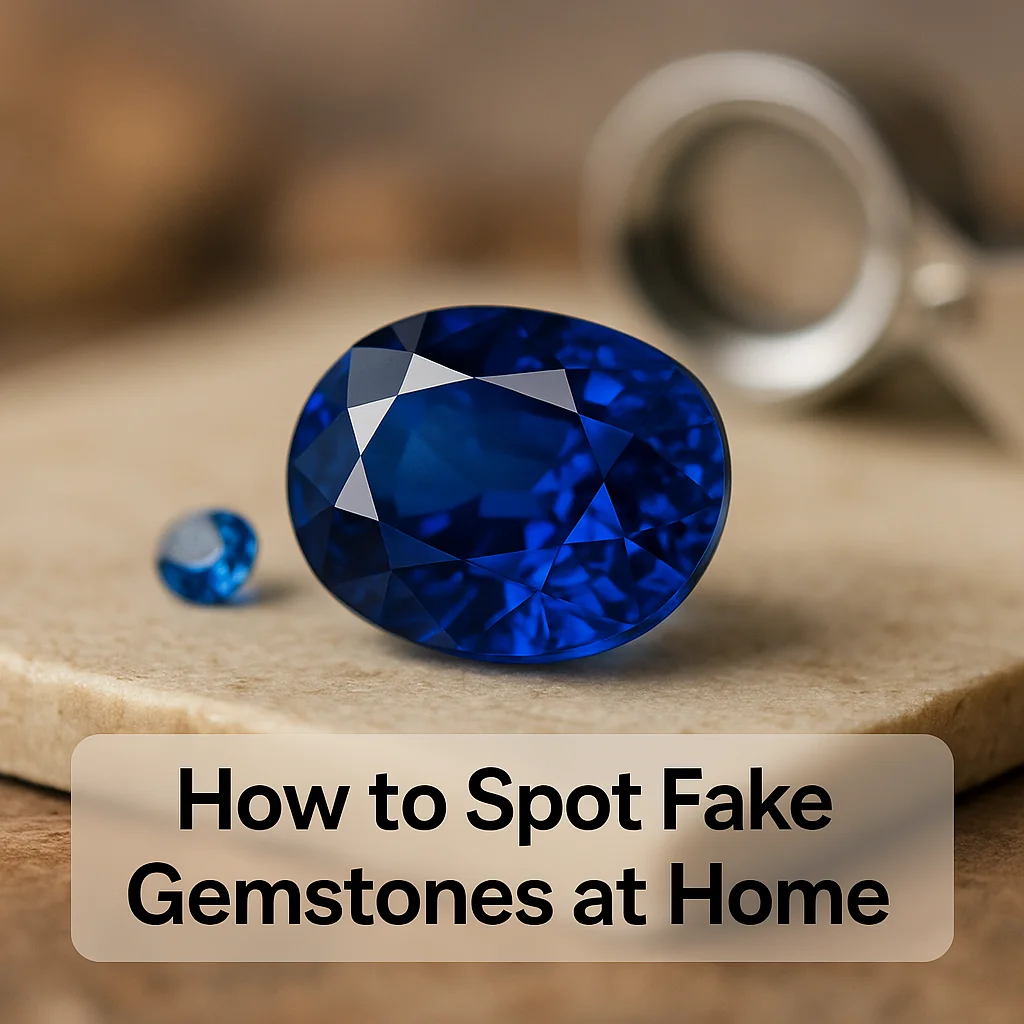
If you're interested in gemstones, you may encounter terms like "synthetic" or "imitation." A synthetic gemstone is lab-created but shares the same chemical composition as its natural counterpart, while an imitation stone lacks the same properties and is often made from glass or plastic.
This article will guide you through the essentials of identifying fake gemstones, including their appearance, properties, origin, and value. By the end, you should have a foundational understanding of what to look for when examining gemstones at home.
🌍 Where It Comes From
Gemstones are formed under a variety of geological conditions across the world. Many gemstones, such as diamonds, sapphires, and rubies, are found in igneous rocks formed deep within the Earth's crust. Others, like emeralds and opals, are created through hydrothermal and sedimentary processes.
For example, diamonds are typically mined in countries like Russia, Canada, and parts of Africa, where ancient volcanic forces have brought them to the surface. On the other hand, opals are known to form in Australia's sedimentary basins, making Australia a major source of high-quality opals.
The origin of a gemstone can influence its value, as stones from certain regions are famous for their unique qualities. Rubies from Burma, for instance, are highly sought after for their vivid color. However, similar stones from different regions may still compete in quality and appeal.
🔬 How It Forms
The formation of gemstones is a fascinating interplay of natural forces involving heat, pressure, and time. In general, gemstones crystallize in mineral-rich environments when conditions allow for it, such as in metamorphic rocks under high pressure or in lava that cools gradually.
Several factors can affect the color and clarity of gemstones. For example, the presence of trace elements like chromium can turn corundum into ruby. Iron and titanium can impart a blue hue, creating sapphire. Similarly, crystal defects and inclusions can influence a stone's appearance and quality.
Gemstones often form distinctive crystal habits. For example, quartz can appear as six-sided crystals, whereas emeralds often form in hexagonal prisms. These natural shapes can be important when analyzing the authenticity and origins of a gemstone.
🎨 Color and Look
When examining a gemstone, color is one of the first aspects to consider. Gemstones boast a range of colors, often due to impurities or crystal defects. Emeralds are famously green, while rubies are known for their red hues. However, some stones, like sapphires, can range from blue to yellow or pink.
The cut and polish of a gemstone heavily impact its appearance and brilliance. A well-cut stone will enhance the natural beauty of its color and maximize light reflection, contributing to its overall appeal.
Gemstones may also undergo treatment to improve their look. Common treatments include heating, which is frequently applied to sapphire to enhance color, and oiling in emeralds to fill minor cracks. Recognizing these treatments is crucial for assessing the gemstone's authentic value.
🧪 Properties That Matter
Several properties determine a gemstone's utility and desirability in jewelry and collections. One of the most essential properties is the Mohs hardness scale, which measures scratch resistance. Diamonds top the scale at 10, indicating they are highly scratch-resistant and suitable for daily wear.
Toughness, or chipping resistance, is another critical factor. While diamonds are hard, they can chip if struck with enough force. In contrast, jade is considered tough and resists breaking, making it suitable for carvings.
The way a gemstone breaks, known as cleavage or fracture, can also affect durability. Some stones, like topaz, have perfect cleavage and may break cleanly along certain lines. Meanwhile, garnet has irregular fracture patterns that may not break predictably.
✨ Meanings, Birthstones, and Culture
Gemstones have captivated cultural imagination for centuries, often linked to symbolism, folklore, and personal significance. In many cultures, gemstones are thought to possess mystical properties, though these beliefs are not scientifically validated.
Birthstones hold particular significance, with each calendar month having a specific stone associated with it. For instance, rubies are July's birthstone, often associated with passion and vitality due to their vibrant red color.
Modern jewelry designs often incorporate these traditions, creating meaningful pieces that connect personal identity with historical and cultural narratives, while highlighting the natural beauty of the stone.
🧼 Care and Cleaning
Proper care is essential to maintain a gemstone's luster and longevity. Most gemstones can be cleaned with mild soap and water, using a soft cloth to gently wipe away any grime or residue. Harsh chemicals should generally be avoided to prevent damage.
Some stones, like opals and pearls, require special attention due to their porous nature. These should not be soaked for long periods, as excessive moisture can harm them. It's also advisable to avoid sudden temperature changes to prevent cracking.
When not in use, gemstones should be stored separately to prevent scratches. Using soft pouches or separate compartments in a jewelry box can help maintain their pristine condition.
🛒 Buying Tips and What to Check
When purchasing a gemstone, several factors can influence its quality and price. These include the color's intensity, clarity, and the skillful execution of cuts and facets. Generally, the more vivid the color and the fewer the inclusions, the higher the gemstone's value.
A reliable laboratory report can provide valuable information about the stone's authenticity and any treatments it may have undergone. However, while these reports offer insights, they cannot always guarantee authenticity unless supported by physical examination.
For online purchases, ensure you review detailed photographs, the seller's reputation, and read their return policy carefully. Also, inquire about any treatments and request transparency, as this helps make informed decisions about your purchase.
⚠️ Real vs Fake and Common Look-Alikes
Determining if a gemstone is real or fake requires a keen eye and occasionally professional assistance. Natural gemstones occur in nature, whereas synthetic versions are created in laboratories but match the natural gem's chemical composition.
Imitation stones resemble valuable gems but are composed of different materials, often glass or plastic. For instance, cubic zirconia is a common diamond substitute due to its similar appearance at a fraction of the cost.
Assembled stones, such as doublets and triplets, combine layers of different materials to mimic a natural stone's appearance. Professional gemologists perform thorough examinations, including testing refractive index and specific gravity, to accurately identify gemstone authenticity.
❓ Common Questions and Misconceptions
Is it a mineral or a rock? Many gemstones are minerals, defined by their specific chemical compositions and crystalline structures. Some, like amber, are organic materials.
Is it a birthstone? Yes, many gemstones correspond to birth months, holding cultural and symbolic significance.
Will it scratch easily? It depends on the Mohs hardness. Diamonds do not scratch easily, but softer gems like opal may be more susceptible.
Can it go in water? Generally, yes, but avoid prolonged exposure, especially for porous stones like opal and turquoise.
Does color fade in sunlight? Some stones, like amethyst, can fade with prolonged sun exposure, though many are stable.
What treatments are common? Heat treatment, dyeing, and oiling are common to enhance color and clarity.
Is lab-grown 'fake'? Lab-grown stones are not fake; they have the same properties as natural stones but are created in controlled conditions.
How do I store it safely? Store jewelry in a dry, separate space to avoid scratches and environmental damage.
Do inclusions always lower value? Not always. While generally seen as imperfections, some inclusions can enhance the unique character of certain stones.
How do I pick a good one for jewelry? Consider the stone's color, clarity, cut, and personal preference. Evaluate how well it fits the intended use.
📌 Summary
- A gemstone is a natural mineral or organic gem used in jewelry and valued for beauty and rarity.
- Typical colors vary widely; gemstones may also have unique optical effects like asterism or chatoyancy.
- Gemstones form over time under specific conditions involving heat, pressure, and mineral-rich fluids.
- Mohs hardness is vital for durability, especially if the stone is for a daily-wear application.
- Common treatments aim to enhance appearance; disclosure is crucial for fair valuation.
- Care involves gentle cleaning with soap and water, plus mindful storage to prevent scratches.
- Best uses depend on durability; diamonds suit rings, while softer stones may be better for pendants or earrings.
- Common look-alikes include synthetic and imitation stones; professional analysis is often required for certainty.
- Authenticity is confirmed through lab testing, checking physical and optical properties.
- When buying, evaluate photos, seller reputation, and request specific disclosures on treatments.
- As a tradition, stones may serve as birthstones with associated meanings but not proven effects.
- Key takeaway: Understanding properties and origins helps distinguish real from fake gemstones efficiently.