💎 Natural vs Synthetic Gemstones Differences
🪨 What It Is
Gemstones are precious or semi-precious minerals that are often used in jewelry and decorative items. They come in a variety of forms, including minerals, gems, rocks, or organic materials. Natural gemstones are those formed in nature without human intervention, while synthetic gemstones are created in laboratories mirroring the natural process.
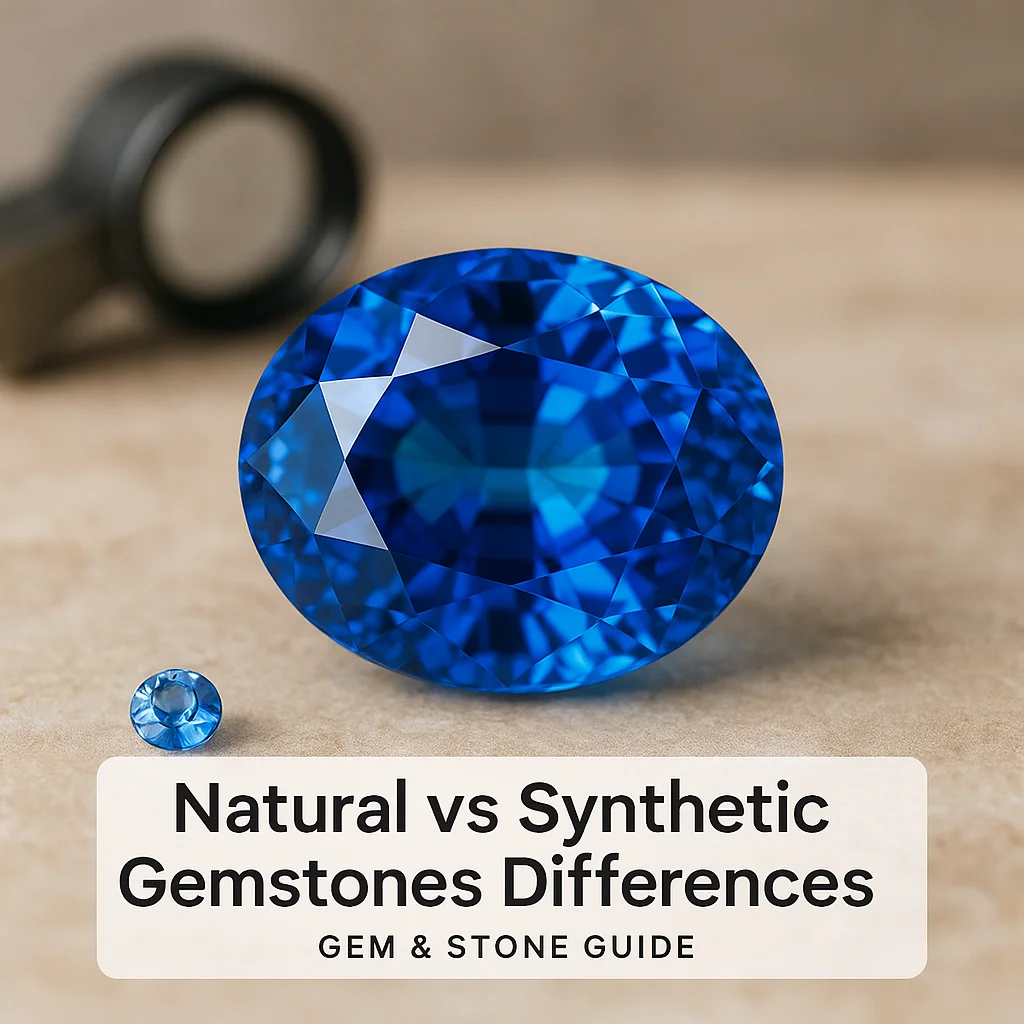
Understanding the key differences between natural and synthetic gemstones can enhance your appreciation for these beautiful creations. Whether used for personal enjoyment, luxury accessories, or as birthstones representing specific months, gemstones hold a significant place in numerous cultures worldwide.
This article will guide you through the basic aspects of gemstones, including their appearance, properties, origins, value, care, and buying tips. It aims to equip you with knowledge that will help you make informed decisions when purchasing or caring for gemstones.
🌍 Where It Comes From
Natural gemstones are formed in various geological settings. They might crystallize deep within the Earth in igneous environments as magma cools or be created through metamorphic processes where intense heat and pressure change the structure of existing rocks.
Sedimentary environments, where minerals crystallize out of lakes, rivers, and oceans, are also common places for gemstone formation. Additionally, some gemstones, like pearls, are organic and form in marine environments, developed by living organisms.
The origin of a gemstone can significantly impact its value and appeal. Certain regions are famous for producing specific types of gemstones — for example, Burma is renowned for rubies and Sri Lanka for sapphires. These origins often enjoy a prestigious reputation in the gemstone market, influencing both desirability and price.
🔬 How It Forms
The formation of gemstones varies greatly depending on their type. Common factors include pressure, temperature, and the presence of specific chemicals. For example, diamonds form under extreme pressure and heat over millions of years deep within the Earth’s mantle, while opals develop from silica deposits left by evaporating water.
Coloration of some gemstones can be attributed to trace elements or structural defects. Rubies, which are red corundum, owe their color to trace amounts of chromium, whereas the blue of sapphires usually comes from iron and titanium impurities within corundum.
Gemstone crystals can display various forms called crystal habits, ranging from perfect, well-formed crystals to rough, irregular grains. Recognizing these habits can be crucial for identification and valuation in gemology.
🎨 Color and Look
Gemstones exhibit a wide range of colors, patterns, and optical phenomena. Colors can be vibrant and solid or subtle and layered. Optical effects in gemstones, such as chatoyancy (cat’s eye effect), asterism (star effect), or play-of-color (seen in opals), can greatly enhance their allure.
The appearance of a gemstone is highly influenced by its cut and polish, which are designed to maximize visual appeal by enhancing color and luster. Clarity, meaning the absence of inclusions or internal flaws, also plays an essential role in a gemstone's aesthetic quality.
Common treatments applied to gemstones to improve appearance may include heat treatment to enhance color or clarity, dying to introduce color, or oiling to fill and mask fractures. It is crucial to be aware of these, as they often affect value and care requirements.
🧪 Properties That Matter
Several physical properties are crucial to understanding a gemstone's suitability for different types of jewelry. The Mohs hardness scale measures scratch resistance, with diamonds ranking highest at 10. This property is vital for daily-wear items like rings.
Toughness, or the ability to resist chipping and breakage, can vary, regardless of hardness. Cleavage refers to a gem's tendency to break along specific planes, whereas fracture describes an irregular break. These factors influence how a gem is set in jewelry.
Luster describes how light reflects off a gem's surface, ranging from metallic to dull, and affects the gem's overall brilliance. Transparency, the amount of light able to pass through, varies greatly; for instance, diamonds are transparent, while opals are usually more opaque.
✨ Meanings, Birthstones, and Culture
Throughout history, gemstones have been imbued with cultural meanings and symbolism. They are traditionally associated with certain virtues or powers and are often used as birthstones. For example, sapphire, the birthstone for September, is traditionally associated with wisdom and purity.
While cherished as good luck charms or tokens of affection, it is essential to separate cultural traditions from proven facts when discussing gemstones. Birthstones, particularly, carry cultural significance rather than scientific backing.
Modern jewelry often incorporates these traditional gemstones, but their significance should be appreciated as representative expressions rather than literal manifestations of power or energy.
🧼 Care and Cleaning
To maintain the beauty and longevity of gemstones, proper care and cleaning are essential. A gentle approach is often best; using mild soap and warm water with a soft cloth can safely clean many gemstones.
It is important to avoid harsh chemicals, boiling water, or sudden temperature changes that can damage or discolor certain stones. For instance, opals or pearls require extra caution as they are more porous and softer than other gems.
To prevent scratches and other damage, gemstones should be stored separately, ideally in a soft pouch or lined box away from other jewelry. This simple care helps keep them looking their best for years to come.
🛒 Buying Tips and What to Check
Several factors influence the quality and price of gemstones: color, clarity, cut, carat weight, and origin. High-quality color is vibrant and consistent, clarity means minimal flaws, and a well-executed cut enhances natural beauty.
When purchasing gemstones, especially for high-value items, ask about treatments and insist on certificates from reputable labs that can confirm key attributes. These certificates are an essential assurance of quality but usually don't prove natural origin.
When buying online, ensure there are clear photos, a reliable return policy, and full disclosure from a reputable seller. These precautions help ensure you get a gem that meets your expectations and avoid potential disappointments.
⚠️ Real vs Fake and Common Look-Alikes
The distinction between natural, synthetic, and imitation gemstones is crucial. Natural gemstones are mined from the Earth, while synthetic stones are lab-grown but possess identical chemical and physical properties to their natural counterparts.
Imitation stones, however, are made of entirely different materials like glass or plastic and only mimic the appearance of genuine gemstones. Assembled stones, like doublets or triplets, are crafted by combining various layers to simulate a whole gem.
Common look-alikes, such as cubic zirconia for diamonds, pose identification challenges. Determining authenticity should be left to professional gemological testing to avoid the risk associated with home tests.
❓ Common Questions and Misconceptions
Is it a mineral or a rock? - Most gemstones are minerals, but some, like opal, can be classified as mineraloids due to their amorphous structure.
Is it a birthstone? - Many gemstones are linked to specific birth months, offering them traditional and sentimental value.
Will it scratch easily? - This depends on the gemstone's hardness. For instance, a diamond is highly resistant, while a pearl is more prone to scratches.
Can it go in water? - While some gemstones can be safely submerged, porous or fragile stones should avoid prolonged water exposure.
Does color fade in sunlight? - Some minerals, like amethyst, can fade when exposed to direct sunlight over time.
What treatments are common? - Heat treatment and oiling are among the prevalent practices to alter a gem’s appearance.
Is lab-grown "fake"? - Lab-grown gemstones are genuine, with the same properties as natural ones, but they are not mined naturally.
How do I store it safely? - Store gemstones separately in soft pouches to prevent scratches and damage.
Do inclusions always lower value? - Not necessarily, inclusions can impact value but can also indicate natural origin and add character.
How do I pick a good one for jewelry? - Consider the gem’s hardness, toughness, and aesthetic qualities suited for intended wear.
📌 Summary
- Gemstones are minerals or organic materials used in jewelry.
- They feature a diverse range of colors and optical effects.
- Formed through heat, pressure, and time in various geological environments.
- Key properties include hardness, toughness, and luster.
- Common treatments, such as heat or dye, can affect value.
- Use mild soap and water for cleaning, store with care.
- Sapphires and rubies make excellent rings; opals are better for pendants.
- Common look-alikes include cubic zirconia and glass imitations.
- Lab testing confirms authenticity and treatment details.
- Check photos, return policy, seller reputation for online purchases.
- Found in folklore and traditions, with roots in various cultures.
- Gemstones: a fascinating blend of natural beauty and historical significance.