💎 What to Ask a Seller Before Buying
🪨 What It Is
Gemstones and minerals can be both fascinating and complex. For a beginner, it's important to understand what you're buying. A gemstone can be a mineral, a fossilized material, or sometimes even a combination of materials in rock form. For example, quartz, a popular gemstone variety, is a mineral composed of silicon and oxygen.
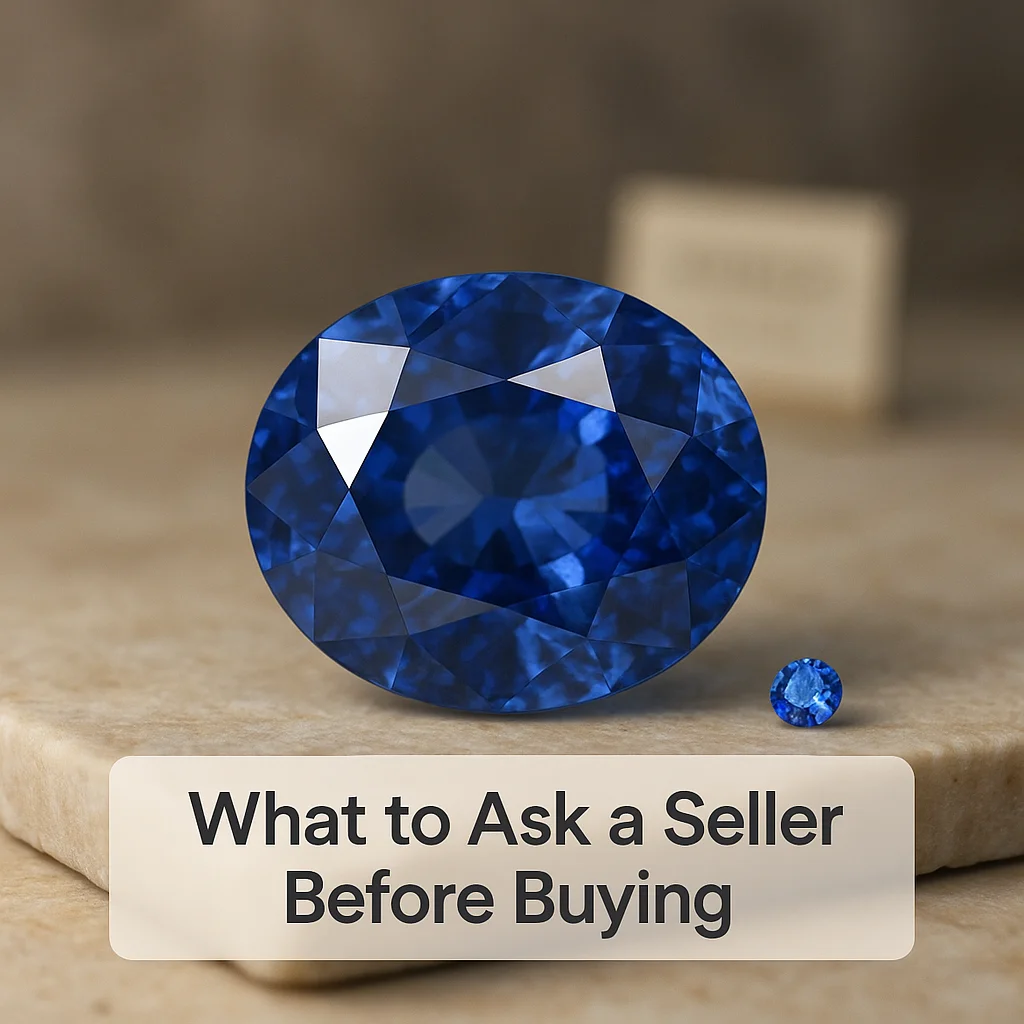
Some gemstones, like garnet or amethyst, are also birthstones tied to specific months, bringing about cultural significance and popularity in jewelry. Understanding the basic nature of the gem allows a buyer to appreciate its unique characteristics, such as its appearance, properties, source, value, and specific care needs.
This guide will walk you through essential aspects, from understanding gem formation and coloration to exploring practical properties such as hardness and toughness. It also covers what questions to ask sellers regarding treatments, measurements, and authenticity.
🌍 Where It Comes From
Gemstones and minerals are born from unique geological conditions, which dictate their availability and characteristics. They typically form in environments characterized by high pressure and temperature changes, including igneous, metamorphic, sedimentary, and even marine settings. Understanding these origins can give insights into the gem's quality and appearance.
Certain regions of the world have earned acclaim for producing specific types of gemstones. For instance, many sapphires come from Sri Lanka and Thailand, while fine rubies are often associated with Myanmar. These regional distinctions can influence market value and desirability based on historical reputation.
The origins of a gem not only affect its aesthetic qualities such as color and clarity but also have implications for its market reputation. Generally, stones from renowned areas are more sought after and may command higher prices. However, the best gemstone for you will depend on a combination of factors, including your aesthetic preferences and budget.
🔬 How It Forms
The formation of gemstones is a fascinating and intricate process. Most gems crystallize under conditions of high heat and pressure deep within the Earth. Over millions of years, geological activity pushes these materials closer to the surface, where they are mined.
Trace elements and impurities introduced during formation can create the variety we see in gemstones. For instance, the presence of chromium in corundum creates the vibrant red of rubies, while iron and titanium give sapphires their famed blue color.
Some gemstones, like quartz, are formed in silica-rich environments and can appear in diverse forms like crystals, nodules, or even geodes. Others, like opal, are the result of silica gel settling in crevices and gradually hardening. Understanding these natural processes can enrich your appreciation of the gem's unique appearance and value.
🎨 Color and Look
The color of a gemstone is one of the first things that attract attention. It can range from the clear sparkle of a diamond to the deep green of an emerald. These color variations are the result of light interacting with the material, influenced by the gem's internal structure, trace elements, and, potentially, treatment processes.
Cut and polish significantly impact a gem's appearance by enhancing its inherent sparkle and color. For instance, a well-cut diamond will capture and reflect light for optimal brilliance. Lighting conditions, too, can alter how we see a gemstone, with natural light often providing the most accurate view.
Common treatments used to enhance color and clarity include heat treatment for sapphires and rubies, and oiling for emeralds. While these processes can improve appearance, it’s important to ask sellers about any treatments to make an informed purchase.
🧪 Properties That Matter
When buying gemstones, understanding their physical properties can help you make a long-lasting choice. The Mohs hardness scale, which measures scratch resistance, is a key factor; for example, a diamond tops the scale at 10, making it ideal for daily-wear jewelry.
Toughness refers to a material's ability to resist chipping, while cleavage describes how a stone breaks. Luster indicates how a material interacts with light, affecting its visual appeal. For instance, a pearl's soft luster makes it desirable yet dictates care needs.
For practical everyday use, hardness and toughness guide the appropriate jewelry settings. A durable stone, like sapphire, can withstand the rigors of a ring, whereas a softer gem, such as opal, might best be reserved for earrings or pendants.
✨ Meanings, Birthstones, and Culture
Gemstones often carry rich historical and cultural significance. They can symbolize anything from beauty to power, and many are associated with myths and folklore. Emeralds, for example, traditionally represent rebirth and are said to bring the wearer foresight.
Birthstones also hold a particular cultural place, with each month linked to a specific gemstone. For example, those born in April may appreciate a diamond, while September boasts sapphire. Though these connections are rooted in tradition, they add layers of meaning and personalization for buyers.
While science can't confirm the symbolic effects of gemstones, these cultural associations enrich their narrative and enduring allure, making them meaningful additions to personal collections and gifts.
🧼 Care and Cleaning
Proper care is essential for maintaining the beauty and longevity of your gemstone. In general, a gentle soap and water solution is suitable for cleaning most stones. Avoid harsh chemicals that could damage the gem or its setting.
Some stones, such as opals or pearls, are sensitive to heat and sudden temperature changes and should not be soaked for long periods. A soft cloth can be used to dry and polish most gemstones, preserving their appearance.
When storing your gemstones, keep them separate from other jewelry to avoid scratches. Consider individual pouches or lined boxes, especially for softer materials. Avoiding exposure to extreme conditions will ensure your gems remain beautiful for years.
🛒 Buying Tips and What to Check
The quality and price of a gemstone are influenced by several factors, including color, clarity, cut, and carat size. Reliable sellers should be transparent about these factors and any treatments the gem has received.
For high-value purchases, it's wise to request a gemological report, which, while not guaranteeing, can affirm characteristics like authenticity, treatments, and origin. This report aids significantly in understanding the gem's quality.
When buying online, look for high-resolution photos, clear return policies, and seller reputation. A helpful checklist can cover inquiries about origin, authenticity, clarity, and more, ensuring a well-informed purchase.
⚠️ Real vs Fake and Common Look-Alikes
Understanding the differences between natural, synthetic, and imitation stones is crucial. A natural stone forms in nature, while synthetic stones, still genuine, are lab-grown with identical properties. Imitations, however, might be glass, plastic, or composite materials designed simply to mimic appearance.
Assembled stones, like doublets or triplets, combine materials to enhance qualities or appearance. They can look convincing but differ significantly in value and durability compared to single-material stones.
Common look-alikes, such as the diamond and cubic zirconia, can confuse buyers. While home tests can be risky, professional testing by a gemologist can reliably distinguish these materials.
❓ Common Questions and Misconceptions
Is it a mineral or a rock? Gemstones can be either; many are specific mineral types.
Is it a birthstone? Some gemstones double as birthstones, celebrated for their cultural significance.
Will it scratch easily? Hardness varies; diamonds resist scratching, while others, like pearls, are softer.
Can it go in water? Generally, yes, but avoid prolonged exposure in some stones.
Does color fade in sunlight? Prolonged UV exposure can alter the color of certain gemstones.
What treatments are common? Heat and oil treatments are among the most common for enhancing gems.
Is lab-grown 'fake'? No, synthetic stones have the same properties as natural stones.
How do I store it safely? Use separate pouches or compartments to avoid scratches.
Do inclusions always lower value? Not necessarily; some are deemed acceptable if they don't affect the overall beauty.
How do I pick a good one for jewelry? Consider the gem's hardness, toughness, and aesthetic qualities relative to the intended use.
📌 Summary
- What it is: Learn about the type of gem, whether mineral or rock.
- Typical colors/appearance: Key colors and optical traits to expect.
- How it forms: The natural processes that lead to its creation.
- Key properties for wear: Importance of hardness and toughness.
- Common treatments/disclosures: Standard enhancement methods to inquire about.
- Care and cleaning essentials: Gentle methods ensure longevity.
- Best jewelry uses: Suitability for settings like rings or pendants.
- Common look-alikes: Understanding imitations and alternatives.
- How authenticity is confirmed: The role of gemological reports.
- Buying checklist highlights: Key considerations for informed purchasing.
- Birthstone/cultural notes: Traditional associations enrich the story.
- Takeaway: Asking informed questions ensures a satisfying purchase.