💎 Avoid These Chemicals for Gemstones
🪨 What It Is
Gemstones are natural materials that humans have cherished for centuries for their beauty and rarity. These minerals, when cut and polished, adorn various forms of jewelry, serving both aesthetic and symbolic purposes. Gemstones range from well-known diamond, ruby, and sapphire to the more exotic tanzanite and alexandrite.
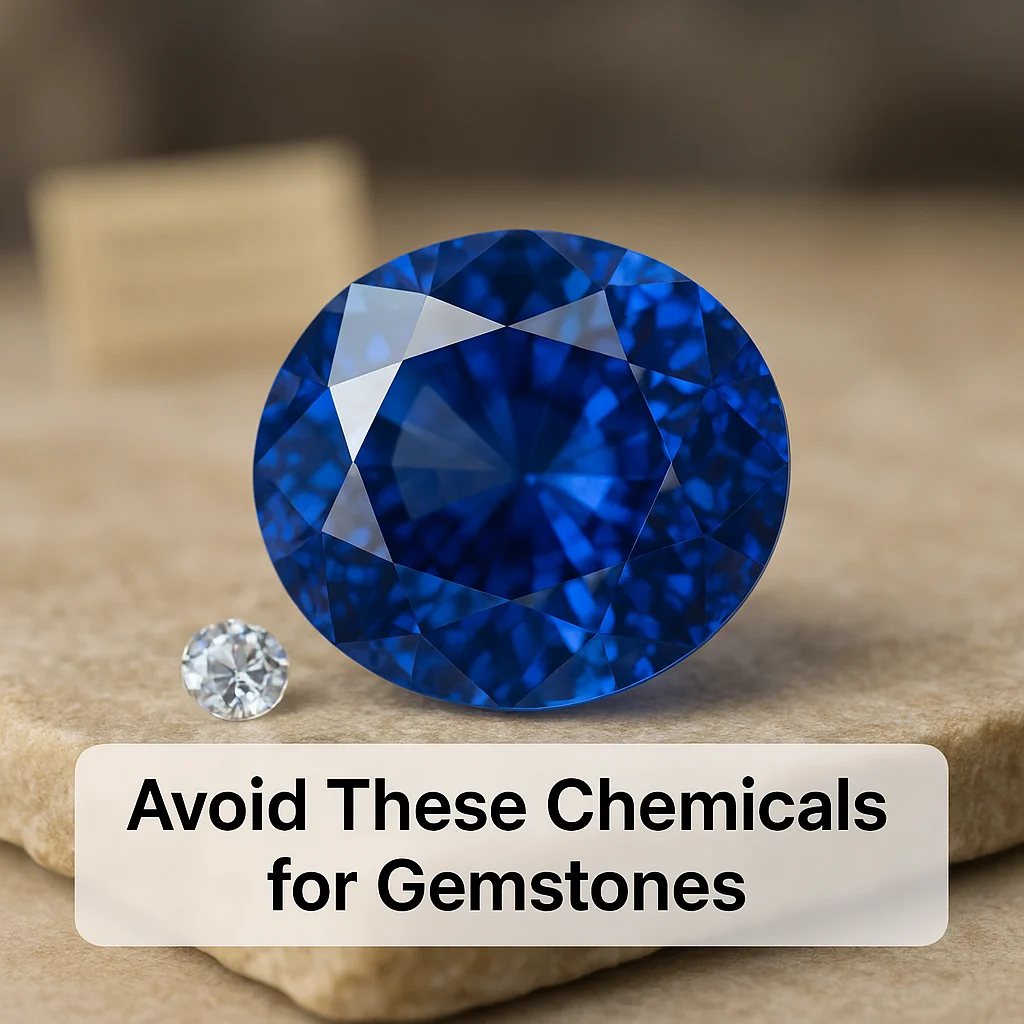
The allure of gemstones extends beyond their visual appeal. Each gemstone possesses unique physical properties, such as color, clarity, and hardness, which determine its value and suitability for different types of jewelry. Gemology, the study of these precious stones, helps enthusiasts understand the complex characteristics that make each gemstone unique.
This article aims to familiarize you with essential information concerning the nature, origins, and care of gemstones. You'll learn about their formation, properties, cultural significance, and tips for maintenance to ensure your gemstones remain dazzling for years to come.
🌍 Where It Comes From
Gemstones occur naturally under specific geological settings that influence their quality and characteristics. They are typically found in regions where the earth's geological activity has provided the necessary conditions for their formation. For instance, diamonds form deep within the earth's mantle, brought to the surface by volcanic eruptions, whereas emeralds develop in hydrothermal veins within the earth's crust.
Gemstone deposits are spread across the globe, with notable sources including Africa, South America, and Asia, each known for particular gemstones. Rubies from Myanmar, sapphires from Sri Lanka, and emeralds from Colombia rank among the finest quality stones due to the specific geological conditions of these regions.
The origin of a gemstone can significantly affect its appearance, quality, and market value. For example, a ruby from Myanmar is often more valued than one from other locations due to its vivid red color and superior clarity. Understanding these geographical connections enhances your appreciation and knowledge when selecting gemstones for purchase or collection.
🔬 How It Forms
The formation of gemstones is a fascinating process that involves a combination of natural elements, time, and specific environmental conditions. Most gemstones form from mineral crystals that crystallize from molten rock as it cools, often under high pressure and temperature deep within the earth.
The colors we see in gemstones are usually caused by the presence of trace elements or defects in the crystal structure. For example, chromium gives rubies their red color, while iron results in the blue of sapphires. Variations in these elements can result in a wide array of colors within a single mineral type.
Different gemstones feature distinct crystal habits, meaning they develop typical shapes based on their internal molecular structure. For example, quartz often forms in hexagonal prisms, while garnets form in dodecahedral shapes. These forms are one of the many factors that make each gemstone unique.
🎨 Color and Look
The beauty of gemstones largely hinges on their color and optical characteristics. While some gemstones are known for a single, specific color, others, like tourmaline, come in a rainbow of hues. Optical phenomena such as chatoyancy (cat's eye effect), asterism (star effect), and play-of-color (opalescence) enhance a gemstone's allure.
The cutting and polishing processes are vital in enhancing a gemstone's appearance. A well-cut gemstone can maximize the reflection of light, increasing its brilliance and color saturation. Clarity, or the presence of inclusions (internal flaws), also impacts a stone's value, where fewer inclusions often mean a higher quality stone.
Common treatments like heat treatment, dyeing, and irradiation can enhance or alter a gemstone's color and clarity. For example, heating can intensify the color of a sapphire, while oiling an emerald can enhance its clarity. Understanding these processes helps in making informed buying decisions.
🧪 Properties That Matter
Understanding a gemstone's properties is crucial for selecting the right stone for your needs, especially when considering durability and wearability in jewelry. The Mohs hardness scale measures a stone's scratch resistance. Diamonds top the scale at 10, making them suitable for daily-wear rings, while softer stones like opal may be better suited for occasional pendants.
Toughness refers to a gemstone's ability to withstand chipping, while cleavage describes how a stone breaks along specific planes. Knowing these properties can guide you in choosing settings and styles that best protect your gemstone. For instance, emeralds, known for their natural fissures, require protective settings.
"Luster" describes how light reflects from a gemstone's surface, affecting its brilliance and appeal. Coupled with transparency, these properties define a gemstone's overall look. Gemologists use these factors to compare gemstones and assess their quality and market value.
✨ Meanings, Birthstones, and Culture
Gemstones have intrigued cultures worldwide, often associated with specific meanings and traditions. For example, amethyst has been traditionally linked to calm and peace, making it a favored stone in many spiritual practices. These associations, while not scientifically proven, enrich the cultural tapestry surrounding gemstones.
Birthstones are particularly significant in modern jewelry traditions, with each month assigned a specific gemstone, believed to bring good luck and protection. For instance, the emerald is May's birthstone, often symbolizing rebirth and love. These associations vary across cultures and can guide personal stone choice for jewelry gifts.
While many people embrace gemstones for their symbolic meanings, it's important to remember that these are primarily cultural interpretations. Their scientific value lies in their mineralogical composition and properties, making them fascinating objects of study as well as personal adornment.
🧼 Care and Cleaning
Proper care and cleaning are crucial for maintaining the beauty and longevity of your gemstones. The general recommendation is to use lukewarm water and a gentle soap with a soft cloth for most stones, avoiding harsh chemicals that could damage the surface or cause discoloration.
Certain gemstones require additional precautions. Stones like opal and pearls, being more porous and sensitive, should not be exposed to prolonged soaking or sudden temperature changes. Store these gemstones separately in soft pouches to prevent scratches.
Avoid exposing treated gemstones, such as oiled emeralds or waxed turquoise, to solvents or extreme heat, as this can degrade their treatment. Regular inspections for loose settings and professional cleanings can preserve your gemstones' appearance and structural integrity.
🛒 Buying Tips and What to Check
When buying gemstones, factors such as color, clarity, cut, and carat weight significantly affect their price and quality. Vibrant color, minimal inclusions, and expert cutting all contribute to higher-quality gemstones. Origin can also play a role, with certain locations known for superior stones.
It's vital to ask whether a gemstone has undergone treatment and, if purchasing a valuable piece, request a gem lab report. These reports can confirm a gem's authenticity, origin, and any treatments it has undergone, though they cannot determine all factors, such as the exact source in some cases.
For online purchases, ensure clear images, a fair return policy, and positive seller reviews. Always check for full disclosure on treatments and any artificial enhancements. Knowledge is your best tool when purchasing these natural treasures, so take time to learn about potential purchases.
⚠️ Real vs Fake and Common Look-Alikes
Distinguishing between natural, synthetic, and fake gemstones can be challenging but crucial for making informed purchasing decisions. Natural gemstones are formed by nature, while synthetic ones are lab-grown but chemically identical. Imitations, like glass or plastic copies, resemble genuine stones but lack the same properties.
Assembled stones, such as doublets and triplets, use layers of genuine and fake materials to create a convincing look. Understanding these distinctions helps avoid misleading purchases and ensures you are getting the quality you want. Professional gemological testing can accurately identify gemstones, and it’s always safer than at-home testing methods, which can damage stones.
Common look-alikes can often confuse buyers. Spinel and rubies, for example, may appear similar in color but differ dramatically in value and properties. Awareness and professional advice can aid in navigating these complexities to make significant buying decisions.
❓ Common Questions and Misconceptions
Is it a mineral or a rock? Most gemstones are minerals, which are naturally occurring substances with a defined chemical structure, but some, like opal, are mineraloids.
Is it a birthstone? Many gemstones serve as birthstones, like garnet for January and sapphire for September, often guided by cultural traditions.
Will it scratch easily? This depends on the Mohs hardness of the gemstone. For instance, pearls are softer than diamonds and scratch more readily.
Can it go in water? Generally, yes, but porous or treated stones like turquoise should avoid prolonged immersion.
Does color fade in sunlight? Some stones, such as amethyst, may fade after prolonged exposure to direct sunlight.
What treatments are common? Heat treatments, dyeing, and oiling enhance many gemstones’ colors and clarity.
Is lab-grown 'fake'? Synthetic gemstones are identical to their natural counterparts but are created in controlled environments.
How do I store it safely? Store gemstones individually in soft, lined pouches to prevent cuts and abrasions.
Do inclusions always lower value? Not always; some inclusions can enhance value, like those creating star patterns in star sapphires.
How do I pick a good one for jewelry? Focus on color, clarity, and durable settings suitable for your lifestyle for daily jewelry.
📌 Summary
- Gemstones are natural treasures, cherished for their beauty and rarity.
- They exhibit a wide range of colors, sometimes accompanied by unique optical effects.
- Formed over millennia, their structures and colors are influenced by environmental conditions.
- Mohs hardness determines practical use; diamonds are perfect for daily wear, while others require careful handling.
- Common treatments include heat and oiling; disclosure is vital when purchasing.
- Use gentle cleaning methods to maintain their elegance and proper storage to keep them pristine.
- Rings demand high durability stones; pendants allow more fragile choices.
- Synthetics and imitations are options but differ in composition and value.
- A professional evaluates authenticity, ensuring you buy genuine gemstones.
- Check quality and legitimacy through lab reports and seller reputation.
- Birthstone and cultural associations offer traditional meanings but don't define gemstones’ worth.
- Informed care and purchase decisions can preserve these gems’ enchantment for future generations.