💎 Cleaning Cloth vs Brush Which Is Better
🪨 What It Is
When caring for gemstones and minerals, one common question arises: should you use a cleaning cloth or a brush? Each method has its own advantages, but choosing the right one can depend on various factors, including the type of stone and the kind of cleaning needed. Gemologists often advise using a cleaning approach that aligns with the specific needs of your stones.
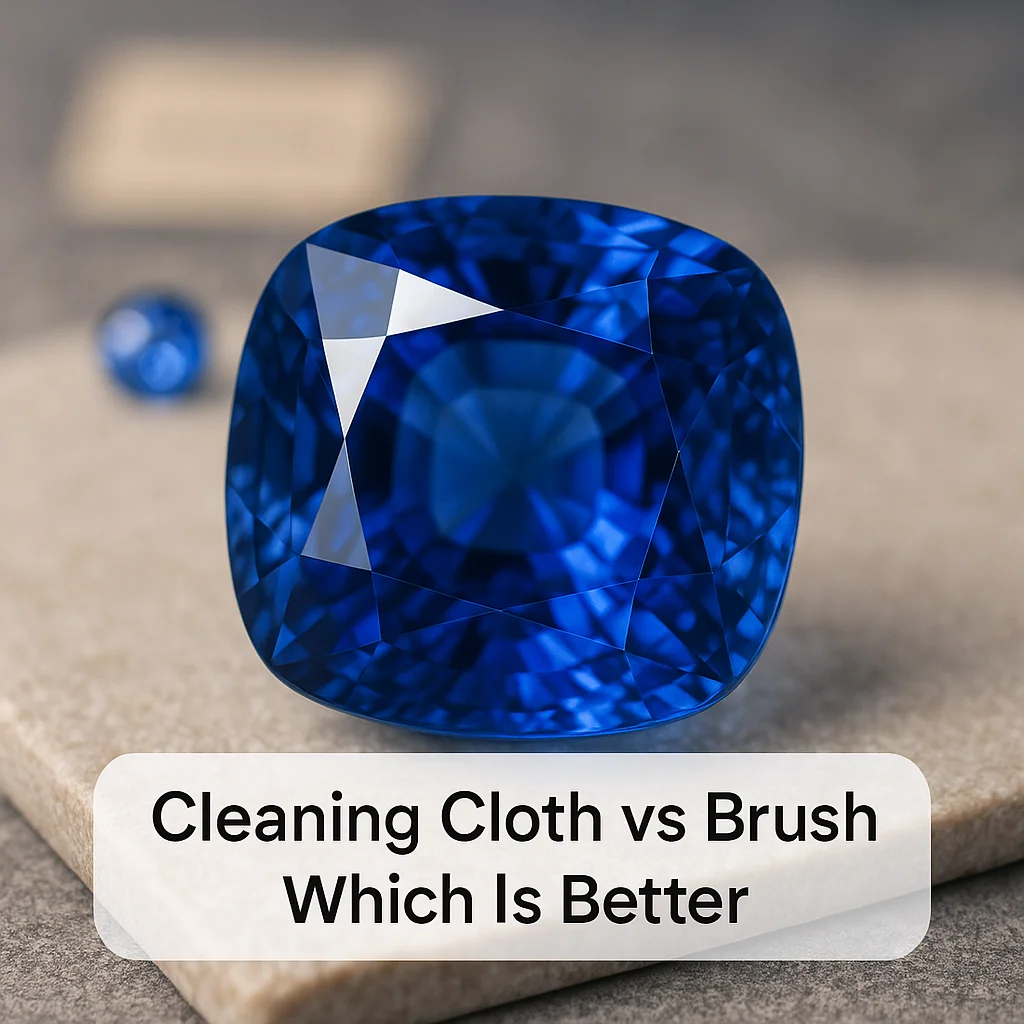
Gemstones are not just beautiful; they are also diverse in their chemical composition and structure. This diversity means that different stones react differently to cleaning methods. A gemstone's ability to withstand abrasives, water, and pressure can determine whether a cloth or a brush is more suitable.
This article aims to provide guidance for beginners on how to maintain their gemstone collections. You will learn about the appearance and properties of stones, as well as practical care tips, including when to use a cleaning cloth versus a brush.
🌍 Where It Comes From
The origin of a gemstone can impact its susceptibility to different cleaning methods. Many stones found in igneous rocks, such as quartz, garnet, and topaz, are generally tough and can withstand a gentle brushing. These stones originate from environments where magma cools slowly under high pressure, allowing for the formation of durable crystal structures.
Metamorphic stones, such as sapphire and jade, are formed under heat and pressure, leading to tightly packed atomic structures. These structural characteristics often make them resilient, but some stones, like opal, are more porous and require more cautious handling.
Gemstones extracted from sedimentary environments, like malachite, are generally softer and often more porous. The porosity of these stones means that using a brush might be too abrasive, while a soft cloth could be just right for removing surface grime.
🔬 How It Forms
The formation of gemstones involves geological processes occurring over millions of years. Heat, pressure, and mineral-rich fluids contribute to their creation. For rock-forming minerals, cooling magma or recrystallizing pre-existing rocks under pressure often lead to the development of crystal structures. These processes determine the durability and cleaning tolerance of the gemstone.
For example, gemstone varieties like sapphires and rubies gain their colors from trace elements of iron, chromium, or titanium within their crystal lattice. This chemical composition not only affects their color but also their reaction to different cleaning methods.
The crystal habit, or the common external shape of a mineral, can influence how easily dirt and oils are trapped. Some stones develop in geodes or nodules, offering naturally protective coatings that also inform their care requirements.
🎨 Color and Look
The appearance of a gemstone can dramatically affect how you choose to clean it. The natural colors and patterns, like the striations in lapis lazuli or the bands in agate, may require special consideration to prevent damage. Cleaning methods may need to account for optical effects such as chatoyancy in tiger's eye or the play-of-color in opal.
A stone's cut and polish also impact its appearance. A highly polished gem may require a soft cloth to retain its shimmer, while rougher textures might benefit from light brushing to clear trapped dirt. Clarity varies with each stone, meaning a similar approach might work differently across various types.
Common treatments for gemstones, such as heat treatment or oiling, can enhance the appearance of these stones but also influence how they should be cleaned. Awareness of these treatments is crucial to ensure that neither method—cloth nor brush—would damage the treatment.
🧪 Properties That Matter
Mohs hardness is a scale measuring a mineral's scratch resistance, crucial for determining a suitable cleaning method. Softer stones, like talc, rank low and are more prone to scratches from brushing, whereas harder stones, like diamond, tolerate it better.
The toughness of a stone, its resistance to chipping and cracking, also guides cleaning choices. Jade is exceptionally tough, allowing for durable brushing, while stones with cleavage planes, like mica, are susceptible to splitting and require gentler handling.
The luster, whether a stone is metallic, glassy, or dull, can determine the effectiveness of different cleaning methods. Cloths may enhance the luster by removing oils, but certain stones require brushing to reach dirt settled in crevices.
✨ Meanings, Birthstones, and Culture
While gemology is primarily concerned with the physical properties of stones, cultural traditions often attribute additional meanings. Birthstones, for instance, hold significance in various societies but do not influence cleaning methods directly.
The cleaning of gemstones can also tie into cultural practices, where stones are traditionally maintained in particular ways based on symbolic protection or energy. Although these beliefs are not scientifically proven, they influence how some choose to clean their stones.
Many gem enthusiasts enjoy maintaining the aesthetic and symbolic elements of their stones, using cleaning methods that align with cultural significance without compromising the stone's integrity.
🧼 Care and Cleaning
Caring for gemstones involves a delicate balance, whether using cloth or brush. Gentle soap and water are recommended for most stones, as they are universally safe and effective for basic cleaning. However, the tool you use—cloth or brush—can depend on the stone's properties.
Soft cloths are ideal for stones with softer surfaces or those treated with dyes or oils. They prevent abrasions and help maintain the stone's finish. Contrarily, brushes, especially soft-bristled ones, can efficiently clean more durable stones like sapphires or garnet, capable of withstanding a bit more friction to remove debris.
Understanding the stone's makeup, its treatments, and porosity is key. It’s often best to avoid harsh chemicals, which can cause long-term damage, particularly in softer or treated stones. Proper storage away from hard surfaces and sharp objects is also crucial to prevent scratches.
🛒 Buying Tips and What to Check
Purchasing gemstones involves more than just selecting based on looks. Buyers should consider factors like color saturation, clarity, and whether a stone has natural brilliance or requires enhancement treatments. Each of these affects its cleaning needs and overall durability.
Authenticity can be verified through lab reports, confirming not just genuineness but also treatments. Beginners might find these complicated, but reports essentially provide peace of mind over what they are buying, including care instructions complementary to the cleaning method.
When shopping, especially online, look for high-quality photos, return policies, and seller reputation. These factors help avoid synthetic or imitation stones, ensuring what you purchase can endure the cleaning methods of your choice.
⚠️ Real vs Fake and Common Look-Alikes
The gemstone market is filled with natural, synthetic, and imitation stones, each with different cleaning requirements. Lab-grown gemstones possess similar properties to natural ones, generally tolerating the same cleaning methods.
Imitation stones, made of glass or plastic, might not handle abrasives well, risking scratching or losing color. Assembled stones, like doublets and triplets, where materials are fused, also require gentle cleaning to maintain their combined form.
Professional gem testing can establish a stone's identity, ensuring the cleaning method chosen enhances its appearance without risking damage. Amateur tests can be far riskier and inaccurate, leading to potential harm to the gem.
❓ Common Questions and Misconceptions
Is it a mineral or a rock? It depends on the gemstone. Some gemstones are minerals like diamond; others, such as opal, are mineraloids.
Is it a birthstone? Many gemstones are birthstones, varying by month and culture, though not essential for cleaning.
Will it scratch easily? This depends on the stone's Mohs hardness. Softer stones scratch more easily.
Can it go in water? Most stones can, but porous stones like opal should be kept dry whenever possible.
Does color fade in sunlight? Yes, some treated stones can fade with prolonged UV exposure.
What treatments are common? Common treatments include heat, oiling, and dyeing.
Is lab-grown 'fake'? No, lab-grown stones are real but made rather than mined.
How do I store it safely? Store in soft-lined compartments, separate from other stones to prevent scratching.
Do inclusions always lower value? Not always. Inclusions can impact value depending on their visibility and the stone's overall appearance.
How do I pick a good one for jewelry? Look for stones with good color, clarity, and a secure setting suitable for your intended wear.
📌 Summary
- Understanding gem types is crucial for cleaning decisions.
- Colors and appearance affect the choice of cleaning method.
- Formation processes determine durability and care needs.
- Consider stone's Mohs hardness and toughness for cleaning.
- Be aware of treatments to avoid damaging them during cleaning.
- Gentle soap and water are generally safest for most stones.
- Both cloth and brush options suit different stone types.
- Common look-alikes require caution to avoid cleaning mistakes.
- Professional testing is best for accurate identification.
- Buyers should seek quality, authenticity, and transparent sellers.
- Birthstones hold cultural significance, affecting care perceptions.
- Memorable takeaway: choose cleaning methods based on stone type and treatments to maximize longevity and appearance.