💎 Travel Storage Tips for Jewelry
🪨 What It Is
Traveling with jewelry can be a delightful way to accessorize your adventures, but it can also present some challenges. Safely packing and storing your precious pieces requires an understanding of the materials involved, such as gemstones, metals, and organic elements like pearls.
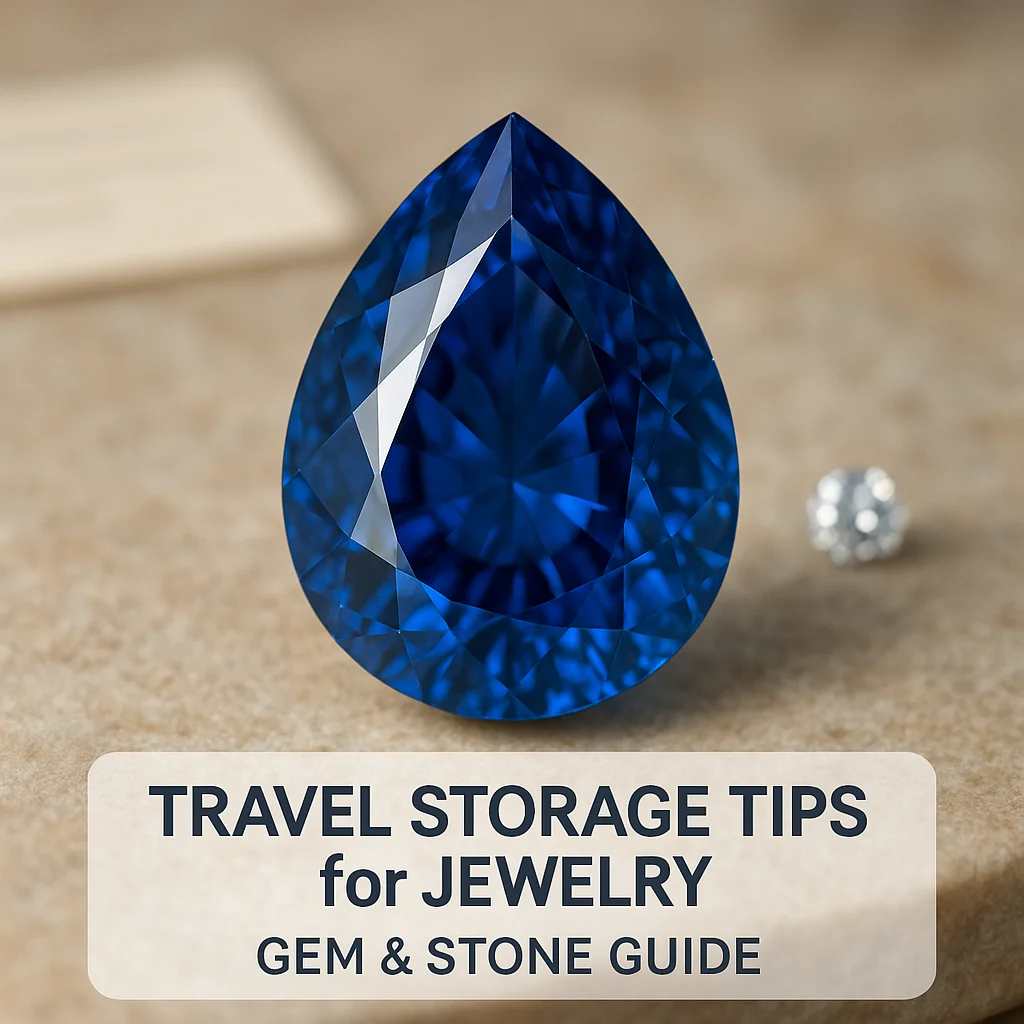
Jewelry often features gemstones made from various minerals, organic gems like pearls or amber, and sometimes synthetic versions. Each material has distinct properties that influence its care and storage requirements. Whether you're dealing with a stunning sapphire, an elegant emerald, or a radiant ruby, knowing what your gemstone is can help in its safe transport.
This guide will provide insights into correctly storing your jewelry for travel, including understanding its appearance and properties, caring for it properly, and tips for purchasing authentic pieces.
🌍 Where It Comes From
Gemstones and other jewelry materials originate from various geological environments. For instance, igneous rocks may host diamonds and sapphires, while sedimentary settings may yield opals and marine environments may give rise to pearls.
Pearls are organic gems formed within oysters and other mollusks in marine or freshwater environments. Diamonds are typically formed deep within the Earth's mantle and brought to the surface through volcanic activity.
Origin can affect a gemstone's color, clarity, and market reputation. Regions like Myanmar have a historical reputation for high-quality rubies, while diamonds with well-documented origins are highly valued due to ethical considerations.
Understanding the geological origins and production regions can provide insight into the potential quality and authenticity of your gemstone, influencing both value and care.
🔬 How It Forms
Gemstones form through a variety of natural processes, including crystallization from molten magma, precipitation from mineral-rich water, and transformation under pressure and heat within the Earth's crust.
For example, diamonds form under high-pressure conditions deep in the mantle, while emeralds grow in hydrothermal veins. The presence of trace elements, such as chromium or iron, during formation can influence the color of gemstones, like turning corundum into either a sapphire or a ruby.
Common crystal habits and formations include simple crystals, geodes, and nodules. Each type has its own unique growth environment that affects the gemstone's final appearance and properties.
🎨 Color and Look
The color and appearance of a gemstone are determined by various factors, including its chemical composition and structure. Gemstones can exhibit special optical effects like asterism, play-of-color, or chatoyancy.
Light can significantly affect how a gemstone looks. The cut and polish influence how effectively a stone reflects light, enhancing or diminishing its brilliance. Clarity, or the presence of inclusions, also plays a role in a stone's visual appeal.
Common treatments like heat treatment in sapphires or oiling in emeralds can improve appearance by enhancing color or masking inclusions. These treatments are generally stable but should always be disclosed at the time of purchase.
🧪 Properties That Matter
When considering jewelry for travel, it's crucial to understand the physical properties of gemstones. The Mohs hardness scale measures scratch resistance, ranging from soft talc at 1 to hard diamond at 10.
Toughness refers to a gemstone's ability to resist chipping and breaking, which varies widely among stones. Cleavage and fracture describe how a gemstone breaks, impacting its durability.
Luster and transparency influence a gemstone's overall beauty. Harder stones are generally better suited for frequent wear, while softer stones might be more appropriate for occasional use.
✨ Meanings, Birthstones, and Culture
Cultural traditions and beliefs often imbue gemstones with symbolic meanings. Although gemology does not support energetic properties, many cultures associate gemstones with specific attributes.
Many gemstones are also tied to particular months as birthstones, such as garnet for January or opal for October. These associations can add a personal touch to jewelry choices.
While birthstones and cultural meanings vary, they provide context for understanding how gemstones are used in jewelry and gift-giving traditions.
🧼 Care and Cleaning
Proper care and cleaning are essential to maintaining the beauty of your jewelry while traveling. Most gemstones respond well to gentle cleaning with mild soap and water.
Use a soft cloth to polish, and avoid harsh chemicals that could damage softer stones like pearls or porous stones like turquoise.
Store each piece in a separate soft pouch or cloth to prevent scratching. Special care should be taken with treated stones and those sensitive to heat and moisture.
🛒 Buying Tips and What to Check
When purchasing jewelry for travel, consider factors such as color, clarity, size, and cut. The stone's origin and any treatments it has undergone can also affect its value and care requirements.
Requesting a lab report can provide assurance about a stone's authenticity and treatment status. However, such reports can only confirm the characteristics tested.
Ensure good quality by asking questions, researching sellers, and verifying return policies. Keep a checklist of essential buying criteria to make informed decisions.
⚠️ Real vs Fake and Common Look-Alikes
The gemstone market includes natural stones formed in the Earth and synthetic stones created in labs, which are chemically identical. Imitations, made of glass or plastic, aim to resemble real stones but have different properties.
Doublets and triplets are assembled stones engineered to resemble more expensive counterparts, a common practice particularly with opals and turquoise.
While visual inspection can help differentiate some materials, lab testing remains the most reliable method of authentication.
❓ Common Questions and Misconceptions
Is it a mineral or a rock? Most gemstones are minerals, but some, like opal and turquoise, are considered mineraloids, lacking a crystalline structure.
Is it a birthstone? Yes, many stones are birthstones. Each month traditionally has a stone associated with it.
Will it scratch easily? That depends on the hardness. Diamonds don't scratch easily, but opals are more susceptible.
Can it go in water? Many stones are fine in water briefly, but continuous or extreme exposure should be avoided, especially for porous stones.
Does color fade in sunlight? Some treated stones can fade with prolonged exposure to direct sunlight.
What treatments are common? Heat treatment and fracture filling are common enhancements in the jewelry industry.
Is lab-grown "fake"? Lab-grown stones are not fake; they have the same properties as natural stones but are made by humans.
How do I store it safely? Store gemstones separately in soft cloths to avoid scratches and impact damage.
Do inclusions always lower value? Not necessarily. Inclusions can tell a story of the stone's formation but rarely enhance value.
How do I pick a good one for jewelry? Look for good color, appropriate clarity for its type, and consult a reputable jeweler.
📌 Summary
- Jewelry includes minerals, organic gems, and synthetics.
- Colors range widely due to composition and treatments.
- Form by heat, pressure, and time in Earth's crust.
- Properties like hardness inform wearability.
- Common treatments include heat and oiling.
- Care involves soap, water, and gentle handling.
- Best jewelry uses depend on stone's durability.
- Common imitations include glass and composite stones.
- Authenticity confirmed by professional labs.
- Buying tips include checking reports and reputable sellers.
- Birthstones are a traditional jewelry choice.
- Storing and traveling responsibly keeps jewelry safe.