💎 Waterproof Myth Which Gems Hate Water
🪨 What It Is
Gems are natural or synthetic stones prized for their beauty and rarity. They are commonly used in jewelry and adornment. Each gem has unique chemical, physical, and optical properties that distinguish it. While some gems can be safely exposed to water, others despise moisture and require special care.
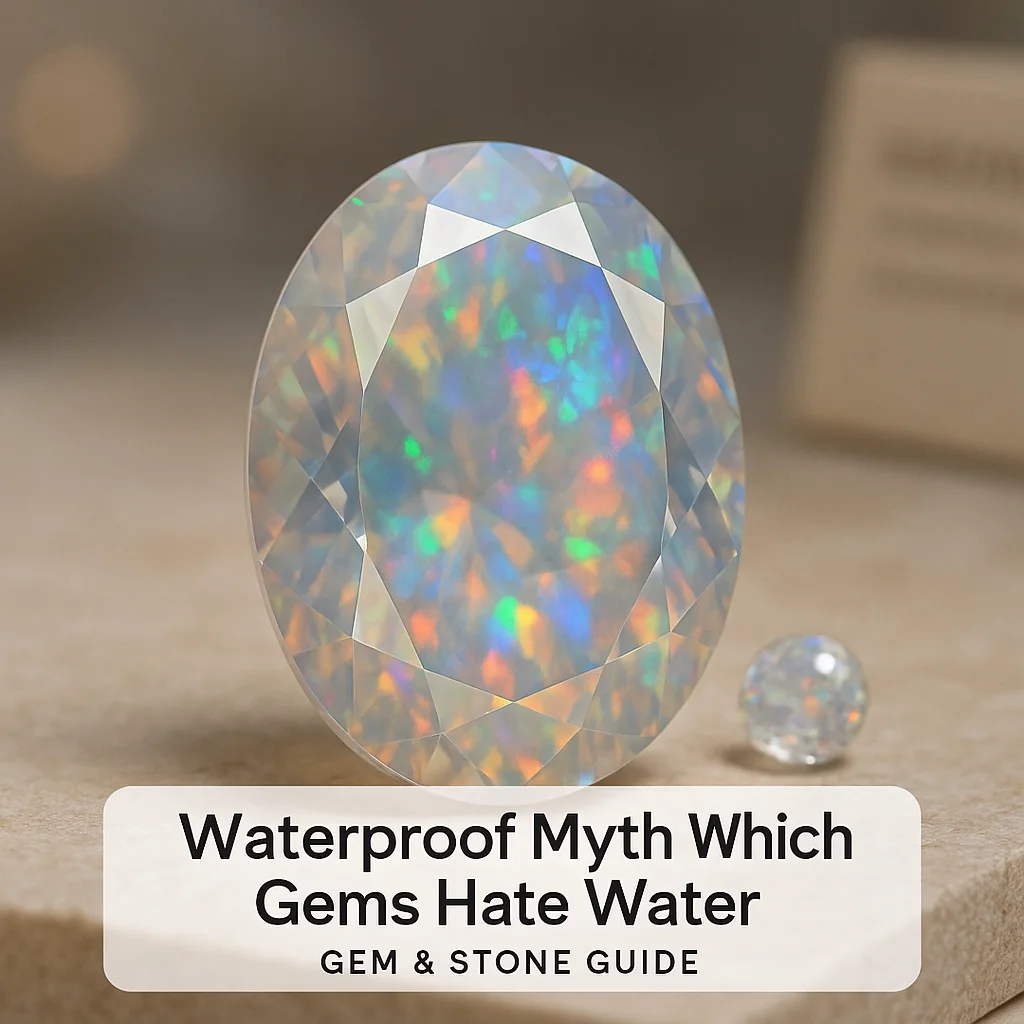
This article will guide you through understanding which gems might be sensitive to water. You'll learn about their appearance, origin, how they form, and their cultural significance. Additionally, we'll cover practical tips for buying, caring for, and distinguishing between real and fake gems.
The focus on gems that are sensitive to water is crucial for anyone looking to maintain the longevity and beauty of their collection. By understanding the specific needs of each stone, you can preserve its value and aesthetic qualities.
🌍 Where It Comes From
Gems form in various geological settings, which influences their availability and characteristics. Many gems originate in igneous environments, where heat and pressure create stunning crystalline structures. Others might form in metamorphic or sedimentary settings, where time and mineral interactions play a crucial role in their development.
The location where a gem is sourced can impact its quality. For instance, sapphires from Kashmir are noted for their particular blue hue, while Burmese rubies are famed for their vibrant red color. Similarly, opals from Australia are renowned for their dazzling play-of-color.
While knowing the origin can help in assessing the value and appearance of a gem, it's vital to remember that factors like treatment and mining practices also affect a gem's aesthetic and ethical value. As you build your collection, staying informed about these elements can enhance your appreciation and expertise in gemology.
🔬 How It Forms
The formation process of gems is both fascinating and intricate. It often involves heat, pressure, and time, with additional factors like mineral presence and fluid interactions affecting the final product. Typically, gems crystallize when molten rock cools slowly, allowing crystals to form.
For instance, quartz varieties such as amethyst and citrine gain their coloring from trace elements and defects in the crystal structure. Amethyst owes its purple shade to iron impurities, while citrine's yellow color comes from heating amethyst.
Gems may occur as well-formed crystals, nodules, or as part of rock veins. Their shapes can range from transparent crystals to opaque, earthy forms, dependent on the conditions under which they formed.
🎨 Color and Look
Gems come in a rainbow of colors, each with distinct visual effects. The richness of a gem's color and its optical properties can significantly inflate its value and desirability. For example, some gems exhibit chatoyancy or cat's eye effect, where light bands appear to move across the surface.
The appearance of a gem greatly depends on its cut, polish, and clarity. A well-cut stone will enhance light refractivity and color vibrancy. Treatments like heat or irradiation are commonly applied to improve color uniformity and intensity.
Lighting plays a crucial role in viewing gems. For instance, fluorescent light can make some colored stones appear dull, while incandescent light might bring out warmer tones. Therefore, understanding how to properly illuminate and display gems can maximize their visual impact.
🧪 Properties That Matter
Understanding a gem's properties enables practical decisions about its use and care. Mohs hardness is critical, measuring scratch resistance on a 1 to 10 scale, with diamonds as the hardest at 10. Gem toughness, which refers to resistance to chipping, is equally essential for jewelry applications.
For instance, opals rate around 5.5 to 6.5 on the Mohs scale, making them susceptible to scratches but perfect for earrings that see less wear. A gemstone's cleavage—the way it breaks—can also affect its suitability for certain jewelry types.
Luster indicates how a gem reflects light, ranging from glassy to metallic. Transparency affects how gems transmit light, with transparent gems generally more valued in jewelry than opaque ones.
✨ Meanings, Birthstones, and Culture
Throughout history, gems have held deep cultural and symbolic meanings, often linked to myths and legends. While science does not support these associations, they add a rich dimension to a gemstone's allure. For instance, sapphires are traditionally associated with wisdom and royalty, while rubies symbolize passion and courage.
August holds peridot as its birthstone, while tourists and collectors alike treasure pearls for their timeless elegance. Amethyst is February's stone, celebrated for its royal purple hues.
Using gems as cultural symbols or birthstones adds personal significance to jewelry, turning pieces into cherished heirlooms or thoughtful gifts. However, it's essential to approach these associations as traditions rather than verified attributes.
🧼 Care and Cleaning
Caring for gems appropriately ensures their longevity and beauty. Generally, mild soap and water with a soft cloth are safe for most stones. It's crucial to avoid abrasive materials and harsh chemicals that may damage a gem's surface or alter its appearance.
Particular stones like opals, pearls, and turquoise require special care due to their porous nature. Prolonged exposure to water, heat, or sudden temperature changes can weaken these gems, emphasizing the need for gentle handling.
Storing gems correctly also prolongs their life. Separate storage in soft-lined boxes prevents scratches, while rotating jewelry wearing prevents uneven wear and tear. By adopting these care basics, you ensure that your gems remain a treasured family asset through generations.
🛒 Buying Tips and What to Check
When buying gems, many factors determine quality and price. These include color, clarity, cut, carat weight, and origin. High-quality stones often exhibit vibrant color, few inclusions, and expert cuts that maximize visual appeal.
It's advisable to inquire about possible treatments that could affect a gemstone's value. For valuable acquisitions, request a gemological report that authenticates and details the stone's attributes.
Online purchasing requires additional care: verify reputations through reviews, ensure a clear return policy, and request detailed photographs. Transparency in disclosure and reliable communication are vital for a satisfactory purchasing experience.
⚠️ Real vs Fake and Common Look-Alikes
A major challenge in gem collecting is differentiating real stones from synthetic or imitations. Natural stones are extracted from the Earth, while synthetic gems are lab-grown, with identical chemical structures but often more affordable.
Imitations, like glass or plastic, aim to replicate natural gems visually. Doublets and triplets assemble a thin gem layer over a base, misleading uninformed buyers. Being able to recognize these methods is vital to avoid overpaying for imitations.
Common look-alikes might confuse even seasoned collectors. For instance, blue topaz often resembles aquamarine. Remember, final identification requires professional evaluation. While home methods may tempt, they often risk damaging the stone.
❓ Common Questions and Misconceptions
Is it a mineral or a rock? Gems are typically minerals with specific chemical compositions.
Is it a birthstone? Some gems are, like garnet for January or sapphire for September.
Will it scratch easily? It depends on the Mohs hardness of the gem.
Can it go in water? Some gems dislike long water exposure, like opal or turquoise.
Does color fade in sunlight? Some gems like amethyst can fade with prolonged exposure.
What treatments are common? Treatments such as heating or irradiation enhance gem appearance.
Is lab-grown 'fake'? Lab-grown gems are real but differ from natural stones in formation location.
How do I store it safely? Store gems in soft, separate compartments to prevent scratching.
Do inclusions always lower value? Not always; some inclusions are desirable or indicative of authenticity.
How do I pick a good one for jewelry? Consider the gem's hardness, desired jewelry type, and personal taste.
📌 Summary
- Gems are natural or synthetic stones valued for beauty.
- Colors range widely; unique optical effects provide allure.
- Formed in diverse geological settings, often requiring millennia.
- Properties like Mohs hardness affect usability and care.
- Treatments can enhance or maintain gem appearance.
- Gentle care and proper storage prevent damage and extend life.
- Best uses depend on gem toughness and type: rings vs earrings.
- Common look-alikes require vigilance for authenticity verification.
- Request reports for high-value purchases to confirm traits.
- Birthstones add cultural depth; traditions vary globally.
- Authenticity often confirmed through professional testing.
- Knowing a gem's requirements maintains its allure and value.