💎 Gemstone Hardness Explained Without the Boring Part (Mohs in Real Life)
🧭 The 60-Second Take
Have you ever scrolled through an online marketplace, marveling at the dazzling gems, only to wonder if what you see is what you’ll get? The photos are perfect, the certificate pristine, yet doubt lingers. Lighting tricks and polished presentation often disguise vital details.
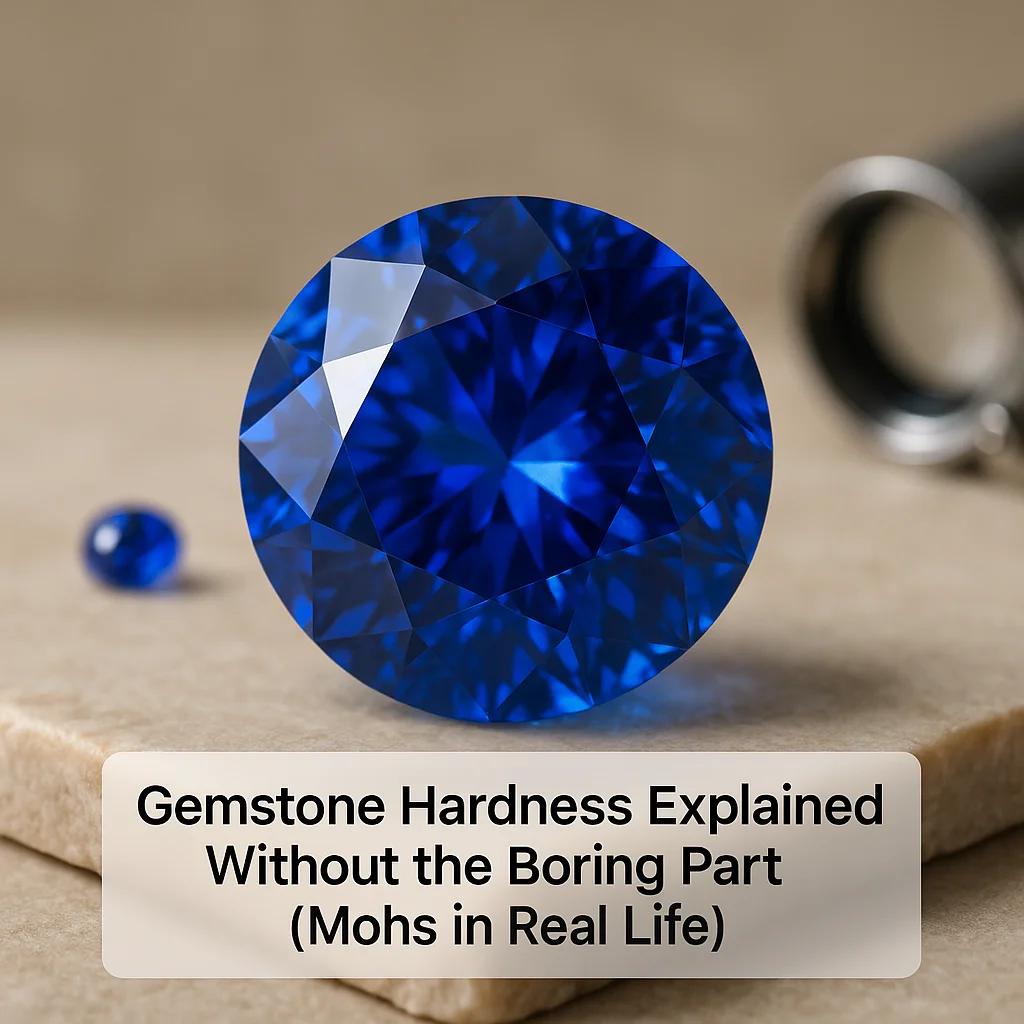
Most buyers don’t realize how easy it is to misjudge a gemstone's hardness just by visuals and paperwork. Hardness isn't just a number; it's how a gem wears over time, reacts in various settings, and holds its brilliance.
- Examine return policies scrupulously for your peace of mind.
- Use trusted jewelers to verify gemstone authenticity in person.
- Understand that color balance in photos can mislead perceptions.
- Learn to recognize "too perfect" as a potential red flag.
- Keep a list of reputable labs for gemstone grading.
- Familiarize yourself with terms like “natural” vs “synthetic.”
- Consider durability in your lifestyle – harder stones for daily wear.
- Budget for potential appraisals before large purchases.
🧪 What Actually Makes It “Real”
Understanding gemstones begins with differentiating natural from lab-grown. Natural stones form over millions of years, while lab-grown ones mirror this process in controlled settings. Impressions from photos can't reveal these origins.
Imitations, like cubic zirconia for diamonds, are visually similar but different in composition and price. Assembled stones, like doublets, are layers of materials combined to mimic genuine appearance. Paperwork may note these distinctions, but buyer vigilance is crucial.
Price can be a telltale sign. Too low a cost often indicates imitation or lesser quality. A true gemstone purchase relies on reputable certifications and careful assessment beyond what’s visible online.
🔍 My Buyer Checklist (Step by Step)
- Identify Needs: Do you want a gemstone for daily wear or occasional use?
- Check Hardness: If durability is key, opt for stones rated high on the Mohs scale.
- Photo Analysis: If colors seem unusually bright, cross-check with multiple sellers.
- Ask Questions: If descriptions lack clarity, contact the seller directly.
- Review Certificates: If certified, verify the issuing lab’s reputation.
- Consider Setting: If a gemstone is softer, choose a setting that offers more protection.
- Examine Policy: If the return policy is stingy, rethink the purchase.
- Seek Expert Opinion: If in doubt, consult a gemologist.
- Compare Prices: If a deal seems too good, investigate further.
- Plan for Care: If the stone requires special care, ensure it fits your lifestyle.
This checklist helps you navigate purchases methodically. Avoid overreacting by cross-referencing findings with multiple sources for a balanced view.
⚠️ Mistakes People Make (And the Fix)
- Mistaking lab-created for natural: Read certificates carefully.
- Falling for glossy photos: Verify in-person if possible.
- Ignoring hardness based on use: Choose accordingly to purpose.
- Overpaying due to hype: Research market value.
- Skipping return policy fine print: Always verify return conditions.
- Trusting a single source: Cross-check information.
- Overlooking lighting and white balance: Request daylight photos.
- Assuming perfect appearance is better: Natural gems have character.
- Neglecting insurance considerations: Get appraisals for valuable pieces.
- Forgetting maintenance needs: Plan for ongoing care and cleaning.
🎨 Look & Red Flags That Matter
Real life viewing brings out the true colors and imperfections that photos hide. Lighting affects color perception, while cuts and polish influence brilliance. Understanding inclusions can help identify authenticity, as perfect clarity often signals synthetic origins.
Surface treatments like dye and coatings are common in the market. These can enhance appearance but may not be disclosed. Understanding common treatments for specific gems aids better buying decisions. Always ask about treatments directly when buying.
🧼 Care & Storage (Safe Defaults)
- Do use mild soap and water for cleaning.
- Do dry with a soft, lint-free cloth.
- Do store separately to avoid scratching.
- Don't expose to harsh chemicals or extreme temperatures.
- Do regularly inspect for loose settings.
- Don't use ultrasonic cleaners on softer stones.
- Do seek professional cleaning for valuable gemstones.
- Don't wear during heavy manual work.
- Do use padded storage for pieces with softer gems.
- Don't store in direct sunlight for extended periods.
- Special caution: If handling porous stones like opal, avoid prolonged water exposure.
- Do ensure pearls and opals avoid dry or overly humid conditions.
🧾 What Certificates Can (and Can’t) Prove
Certificates often report gemological details like cut, clarity, color, and whether a gem is natural or synthetic. However, they might not indicate certain treatments, which can alter a stone’s appearance or durability.
Sellers may exaggerate the prestige or rarity of a gemstone, even when the certificate presents a more modest picture. Always verify any claims against the certificate details.
Investing in a report is wise for high-value gemstones, offering peace of mind about authenticity. However, remember that while paperwork is proof of evaluation, it’s not infallible. Independent lab verifications bolster assurance.
❓ Quick Questions Buyers Ask
Q: Can I trust online reviews?
A: Use them as a guide, but verify authenticity independently.
Q: Are lab-grown gems inferior?
A: They are equally beautiful, just different in origin.
Q: How do I clean my ruby ring?
A: Use mild soap and water; avoid harsh chemicals.
Q: Is a chipped gem worthless?
A: Not necessarily; depends on size, rarity, and setting possibilities.
Q: Should I insure my gems?
A: Yes, especially if they are of high value.
Q: Can hardness vary in the same type of gem?
A: Slightly, due to internal variations and treatments.
Q: Do treatments affect value?
A: Often, yes, especially if undisclosed.
Q: Are vintage gems better?
A: They can carry unique appeal and history, but verify condition.
📌 If You Only Remember 5 Things
- Verify authenticity with trusted labs whenever possible.
- Consider purpose and wearability alongside beauty.
- Recognize marketing exaggerations; always cross-check facts.
- Understand treatments and their implications on care.
- Certificates are useful, but not infallible; rely on multiple sources.