💎 How to Clean Gemstones Safely (What I Never Use, Ever)
🧭 The 60-Second Take
You’ve just seen a stunning gemstone online, its color shimmering in the sunlight. The listing boasts a high-quality certificate, and the price seems too good to pass up. But wait—how can you be sure that what you're seeing is truly authentic?
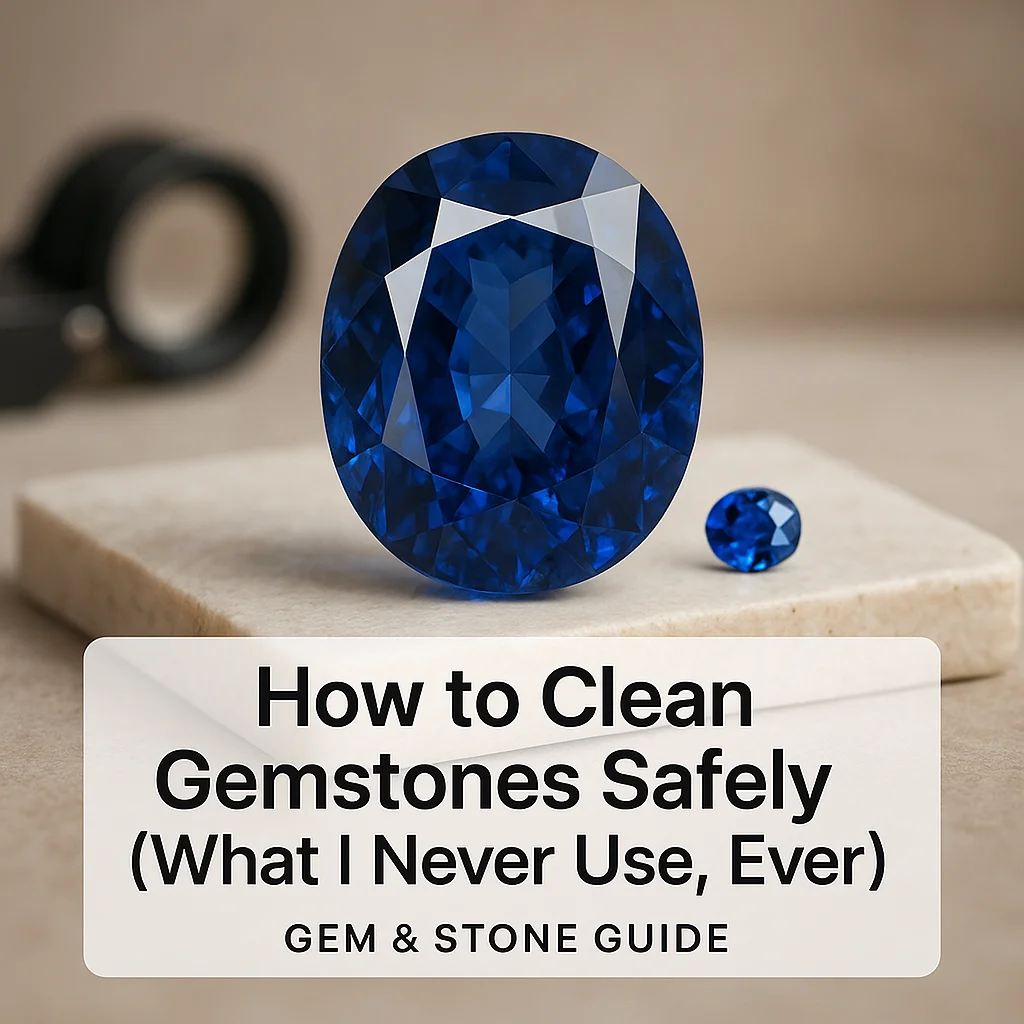
It’s disheartening to hear, but lighting tricks and clever photography can turn a mediocre gemstone into a nearly irresistible one. A slick surface and vivid colors might convince you it’s genuine, but reality might not be so kind when it arrives on your doorstep.
Before you find yourself in a disappointing scenario, here’s what you can do:
- Check for clear return policies before buying.
- Research the usual price ranges for the gemstone type.
- Avoid decisions based solely on online photos.
- Look for inconsistencies in the seller's reviews.
- Verify the reputation of the certification lab.
- Ask for extra photos taken in natural lighting.
- Don’t rush because of “limited-time offers.”
- Consult with a professional gemologist if possible.
🧪 What Actually Makes It “Real”
Understanding the differences between natural, lab-grown, imitation, and assembled gemstones is crucial for any buyer. A natural gemstone forms organically over time within the earth, while lab-grown stones are created in controlled environments, sharing the same chemical properties as their natural counterparts.
Imitation stones, however, often only mimic the appearance, using different materials altogether. Assembled stones like doublets or triplets are created by binding multiple layers, which can sometimes deceive the untrained eye.
Yet, even high-resolution photos, attractive price tags, and credible certificates could leave you with uncertainties. Certain attributes are challenging to gauge without physical assessment, meaning expert validation often becomes essential.
🔍 My Buyer Checklist (Step by Step)
- Consider the source: Does the seller have expertise?
- If unsure, ask for a detailed gemological report.
- Review all seller ratings and testimonials carefully.
- If you notice inconsistencies, don’t proceed.
- Check the gem's listed treatments or enhancements.
- If the price is lower than expected, be cautious.
- Examine the refund and exchange policy closely.
- Ask questions about the stone’s origin and certification.
- Evaluate additional warranties offered by sellers.
- If feasible, see the stone in person before purchase.
- Compare with trusted local sellers for similar items.
- Always use reputable payment methods for security.
This checklist is designed to guide your buying process sensibly. It encourages you to pause, reflect, and assess options without leaping to hasty conclusions.
⚠️ Mistakes People Make (And the Fix)
- Trusting online photos: Request natural light images.
- Falling for perfect stones: Look for natural inclusions.
- Ignoring return policies: Make them non-negotiable.
- Overlooking certification: Verify before purchasing.
- Assuming high cost equals authenticity: It doesn't always.
- Being too trusting of labels: Independent verification is key.
- Believing sales pressure: Resist limited-time push.
- Neglecting to ask questions: Always inquire.
- Misinterpreting photos: Real life might differ.
- Underestimating white balance impacts on color: Ask for unbiased photos.
🎨 Look & Red Flags That Matter
The appearance of a gemstone in real life can vastly differ due to lighting, cut, and polish. While natural sunlight tends to reveal a stone's true colors, artificial lighting can exaggerate hues.
Consider the polish and cut—these factors significantly influence brilliance and fire. Inclusions, often seen as imperfections, can give clues about authenticity; however, they don’t always diminish value if they're not highly visible.
Common treatments like heat or dyeing can alter a gemstone's appearance, sometimes masked by surface coatings that enhance luster momentarily, yet require different cleaning precautions.
🧼 Care & Storage (Safe Defaults)
- Do use mild soap and lukewarm water.
- Don’t immerse porous stones like opals or pearls.
- Do use a soft cloth for drying.
- Don’t use ultrasonic cleaners on treated gemstones.
- Do store in a soft-lined box, separately from other jewelry.
- Don’t subject to extreme temperature changes.
- Do consider a professional cleaning for valuable pieces.
- Don’t expose to harsh chemicals or ammonia.
- Do use gentle, sweeping motions to clean surfaces.
- Don’t scrub with hard brushes or abrasive materials.
- Do maintain regular inspections for setting integrity.
- Don’t wear while swimming or showering for most stones.
- Do keep away from direct sunlight for extended periods.
- Don’t use bleach or harsh detergents.
🧾 What Certificates Can (and Can’t) Prove
Certificates from reputable labs are valuable, providing details on a gemstone's authenticity, grade, and any treatments it has undergone. While they bring peace of mind, it’s important to know their limitations.
Sellers might exaggerate the value or importance of a certification, making it seem infallible. However, certifications do not always account for market value fluctuation or potential enhancements obscured by temporary treatments.
A certification is most worthwhile when purchasing high-value stones where the financial investment necessitates an extra layer of verification, ensuring the stone meets quality expectations.
❓ Quick Questions Buyers Ask
Q: Can I rely solely on gemstone certificates?
A: No, they are a piece of the puzzle. Use them alongside other checks.
Q: Is a cheaper gemstone likely inauthentic?
A: Not always, but it warrants investigation into possible reasons.
Q: How do I clean gemstones safely at home?
A: Use mild soap, water, and a soft cloth; avoid harsh chemicals.
Q: Are lab-grown gems less valuable?
A: Generally, yes, but they maintain appeal due to their ethical source.
Q: What are signs of a treated gemstone?
A: Vivid colors or an overly smooth finish can indicate treatments.
Q: Can lighting really alter gemstone appearance?
A: Yes, natural versus artificial lighting drastically impacts visual perception.
Q: Should I wear my gems daily?
A: Depending on the hardness and setting, occasional wear is safer.
Q: Can I clean all gemstones in an ultrasonic cleaner?
A: No, this can damage soft or treated stones like emeralds or opals.
📌 If You Only Remember 5 Things
- Always verify with trusted third-party experts.
- Avoid rush purchases driven by urgent sales language.
- Keep in mind that natural features are not flaws.
- Reputable certifications are valuable but not infallible.
- Gentle cleaning and sensible storage preserve longevity.
- Lighting can be deceiving—rely on multiple angles and transparency checks.
- Regularly revisit and update your knowledge to stay informed.