💎 How to Store Gemstones: The Little Habit That Prevents Damage
🧭 The 60-Second Take
You're intrigued by a gemstone's online image—its color is vivid, the cut precise, and the seller claims it comes with a certificate. The allure of owning such a piece can cloud the critical mind. Often, photos are products of clever lighting and editing.
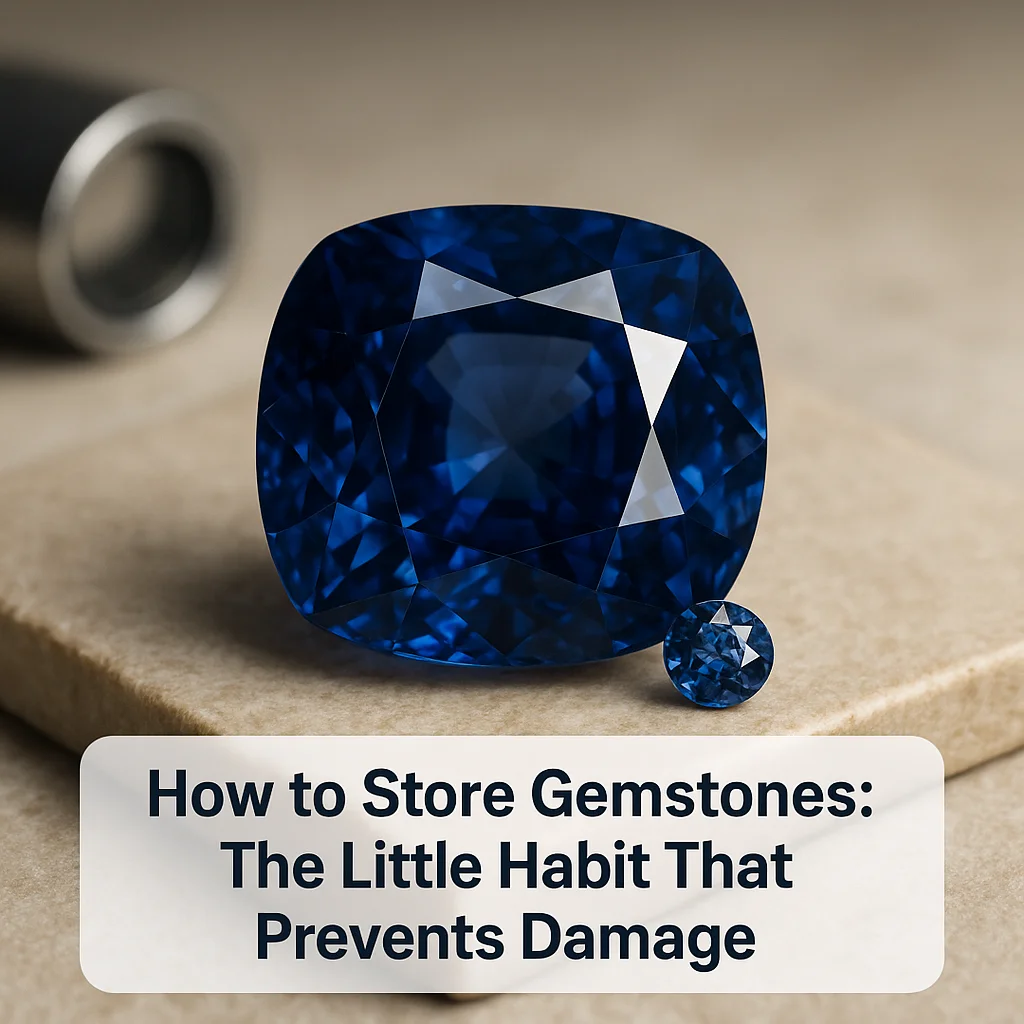
In the gemstone world, brilliance can sometimes mask imperfections. Despite impressive certificates and tempting prices, understanding what you're truly buying can prevent future regrets. Prepare yourself to act wisely, ensuring what you see is what you get.
- Inspect the gemstone in person, if possible.
- Ask for natural vs artificial lighting photos.
- Secure a return policy.
- Beware of too-good-to-be-true deals.
- Research common treatments for the gemstone.
- Verify the credibility of certificates.
- Understand seller guarantees.
- Consult reputable sources or professionals when in doubt.
🧪 What Actually Makes It “Real”
In the gemstone market, the term "real" branches out into natural, lab-grown, imitation, and assembled varieties. Natural stones form over millions of years, while lab-grown ones replicate this process more swiftly. Imitations may look similar but differ materially, while assembled stones combine layers, as seen in doublets or triplets.
From photos alone, one might miss subtle distinctions. Lighting can amplify colors, and price points can sway perceptions. Paperwork is valuable but mustn't be an end-all; discrepancies can occur if documents exaggerate quality or treatment details. Always delve deeper beyond what the eye and documents suggest.
🔍 My Buyer Checklist (Step by Step)
- Start by identifying the gemstone type.
- If it’s natural, verify authenticity through testing.
- If lab-grown, confirm reliable documentation.
- For imitations, recognize and accept material differences.
- Evaluate the stone under diverse lighting.
- If the deal seems exceptional, double-check certifications.
- Analyze seller reviews for trustworthiness.
- Inspect the return policy thoroughly.
- Consider the market's common treatments for such stones.
- If uncertain, seek expert opinions.
- Conduct a physical inspection when feasible.
- If satisfied, ensure the storage adheres to the stone’s need.
This checklist helps in managing anxieties while deciding. Follow it as a calm, paced approach to ensure your gemstone is worth both your trust and investment.
⚠️ Mistakes People Make (And the Fix)
- Trusting photos implicitly — Always inspect in varied lighting.
- Ignoring return policies — Only buy with flexible terms.
- Assuming all small imperfections are flaws — Some inclusions add character.
- Overlooking seller authenticity — Research their credibility deeply.
- Believing perfect symmetry is natural — Often, it’s a sign of machine cuts.
- Ignoring lighting/white balance tricks — Verify the genuine hue physically.
- Disregarding storage guidance — Specific conditions preserve longevity.
- Assuming certificates are infallible — Consider them a part of the verification.
- Overvaluing flawless appearance — Perfection can indicate imitation or enhancement.
- Not questioning overly flawless stones — Authentic stones usually have unique traits.
🎨 Look & Red Flags That Matter
The appearance of gemstones in person may vary due to lighting, cut, polish, and natural inclusions. These elements contribute distinctively to a stone’s charm and authenticity. However, surface coatings or dyes can alter a stone's natural appeal. Recognizing these artificial enhancements is crucial when assessing a gem's value.
Common treatments like oiling, heating, or irradiation might be part of a gemstone's processing. Understanding their purpose is necessary since they can impact the durability or look of the stone. While treatments can enhance appearance, they also necessitate tailored storage practices to maintain their improved qualities.
🧼 Care & Storage (Safe Defaults)
- Do clean gently with mild soap, water, and a soft cloth.
- Don’t use ultrasonic cleaners without professional advice.
- Do separate gemstones to prevent scratching.
- Don’t expose them to extreme temperatures.
- Do store them in fabric-lined boxes for protection.
- Don’t use harsh chemicals for cleaning.
- Do keep porous stones like opals away from dry heat.
- Don’t forget regular inspections for wearing.
- Do avoid direct sunlight for prolonged periods.
- Don’t store in humid conditions.
- Do consider professional cleaning for high-value stones.
- Don’t neglect to educate yourself on peculiar stone needs.
- Do rotate storage location if humidity fluctuates.
- Don’t disregard professional advice when in doubt.
🧾 What Certificates Can (and Can’t) Prove
Certifications provide data on a gemstone's enhancement, quality, and origin but cannot always confirm authenticity without bias. Reputable labs analyze factors like color, carat weight, and possible enhancements. However, an authentic look with perfect dimensions might indicate lab-grown origins.
Sellers might exploit certificate details, highlighting positive traits while understating potential flaws. Therefore, it’s vital to view certificates as part of a larger verification process. For significant investments, certified reports add value, clarity, and some peace of mind.
Engaging with respected gemological labs rather than unverified entities for certificates ensures better accuracy. It guides you in comprehending the buying significance while mitigating overestimations through clarity.
❓ Quick Questions Buyers Ask
Q: How can I tell if a gemstone is genuine?
A: Look for certification and conduct a visual inspection.
Q: What factors affect a gem's color?
A: Lighting, inclusions, and treatments influence coloration.
Q: Are imperfections always bad?
A: No, they often add character and uniqueness.
Q: How do I store opals?
A: Keep them away from dry heat and direct sunlight.
Q: Are all enhancements declared?
A: Not always; check reliable certificates for details.
Q: Is a lab-grown stone less valuable?
A: It depends; lab-grown stones are different in appeal and cost.
Q: What should I know about coated gemstones?
A: Coatings enhance appearance but require careful storage.
Q: Can I trust seller descriptions?
A: Validate through independent reports and research.
📌 If You Only Remember 5 Things
- Genuine exploration demands more than just good photos.
- Certificates are part of, not the entirety of the truth.
- Lighting may alter appearance; inspect under various conditions.
- Store thoughtfully to maintain gem durability.
- Beware: perfect can sometimes indicate artificial.