💎 I Compared 5 “Gem Cleaners”—Here’s What Surprised Me
🧭 The 60-Second Take
Have you ever scrolled through a sparkling online gallery only to be bewildered by the dazzling array of gems claiming certification and authenticity? With clever photography, even the most ordinary stone can seem extraordinary. And when those “certificates” are cited, it’s often hard to know exactly what they mean.
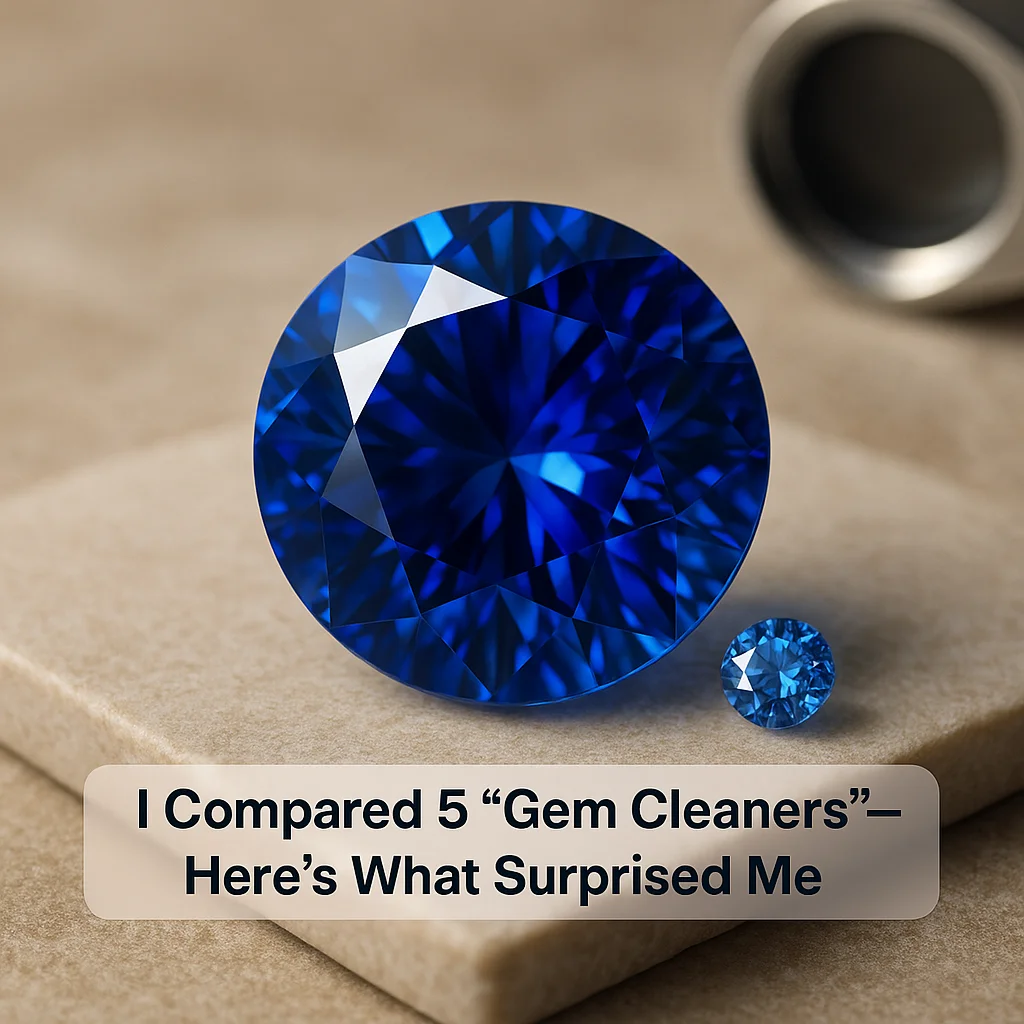
In my experience as a gemologist, I notice that many people are unsure about what truly constitutes a real gemstone versus an imitation. Here’s an actionable list to arm any buyer with confidence for their next purchase.
- Research gem types and treatments extensively before purchasing.
- Use reputable jewelers or gemologists for appraisals.
- Be wary of deals that seem too good to be true.
- Examine any paperwork critically; look for recognized gem labs.
- Understand return policies before finalizing any purchase.
- Check lighting conditions in photos carefully; seek consistency.
- Avoid over-relying on online reviews; they can be misleading.
- Trust your instinct; if something feels off, pause the purchase.
🧪 What Actually Makes It “Real”
The term “real” in the world of gemstones has layers. A natural gemstone is mined from the earth, often with unique inclusions and characteristics. Conversely, lab-grown gems share the same chemical composition but are created under controlled conditions.
Imitations are materials that mimic the look of real gems but aren’t made from the same material, like glass or plastic resembling diamonds. Then, there are assembled stones like doublets and triplets, which combine various materials into a single piece.
Photos alone can be deceiving. Professional photography can make an imitation look authentic. Pricing can give hints; significantly undervalued stones might not be genuine. As for “certificates,” verify the authenticity of the certifying body before trusting the paper itself.
🔍 My Buyer Checklist (Step by Step)
- Read about different stone types and mark the ones you’re interested in.
- If the price seems too low, research more. If not, proceed carefully.
- Check the seller's reviews and feedback cautiously.
- Request detailed product specifications and comparisons.
- Ask if the gem has been treated; if so, consider its impact on value.
- Review lighting conditions used in photographs; if unclear, ask for more photos.
- If you’re uncertain about a stone's authenticity, get it appraised by a professional.
- Analyze return policies meticulously. Opt for policies that work in your favor.
- If paperwork is provided, verify it with recognized gemology labs.
- Research the dealer's credibility; ensure they hold valid licenses if applicable.
- If the deal feels rushed or pressured, reconsider your options.
- Make informed, not emotional, purchasing decisions.
This checklist keeps you grounded. Follow these steps to navigate the gemstone world sensibly without jumping to conclusions hastily. Knowledge is your strongest ally.
⚠️ Mistakes People Make (And the Fix)
- Assuming certification guarantees authenticity. Verify the certifier.
- Buying only based on price. Know when it's too low or too high.
- Ignoring lighting. Request natural light photos.
- Overlooking return policies. Ensure they protect your rights.
- Believing a gem is “too perfect.” Real stones have unique features.
- Trusting unverified reviews. Corroborate with reliable sources.
- Skipping appraisals. A trusted gemologist can validate authenticity.
- Neglecting paperwork authenticity. Contact certifying bodies directly.
- Falling for pressure sales tactics. Make decisions calmly and independently.
- Failing to learn about treatments. Know how they affect the gem.
🎨 Look & Red Flags That Matter
Several elements affect a gemstone's appearance, and knowing them aids in making informed decisions. Lighting can vastly alter how a gem looks, while a well-cut stone will shine differently from a poorly cut one. The polish enhances the overall sparkle, but inclusions might be present in even perfect stones.
In some cases, surface coatings or dyes can be used to enhance or alter the appearance of a gemstone. Such treatments are common in the market, so awareness is crucial. Always verify specifics with the seller before purchase.
When comparing different cleaners, I discovered that factors like polish and treatment could significantly impact results. Cleaner A may work well on untreated stones, while Cleaner B suits treated varieties. Be sure to understand these nuances before investing in a product.
🧼 Care & Storage (Safe Defaults)
- Do use mild soap and water with a soft cloth for regular cleaning.
- Don’t use abrasive materials or chemicals that could damage the gem.
- Do store gems separately to avoid scratches.
- Don’t subject porous gems like opals or pearls to harsh environments.
- Do clean pearls with a damp cloth, being gentle with the surface.
- Don’t use ultrasonic cleaners on fragile gemstones like emeralds or pearls.
- Do store gemstones in a fabric-lined box to prevent friction.
- Don’t expose certain treated gems to extreme temperatures.
- Do regularly inspect gems for any damage or loosening of settings.
- Don’t forget to dry gemstones thoroughly to avoid residue buildup.
- Do consult professionals for high-value gemstones' specific care advice.
- Don’t wear opals, pearls, or turquoise in chlorine pools.
- Do learn the specific requirements of your gemstone’s type.
- Don’t neglect periodic professional cleaning for heavily worn items.
🧾 What Certificates Can (and Can’t) Prove
Certificates from recognized gemological labs can affirm certain qualities of gemstones, like their carat, cut, and whether they're natural or lab-grown. But these documents have limits and need one's careful examination.
Sellers may exaggerate or misinterpret what a certificate means to boost perceived value. Therefore, obtaining certification from well-known labs ensures greater reliability. Such reports are particularly valuable when investing in high-value gemstones, as they provide peace of mind and clarity regarding the stone’s characteristics.
Be diligent in assessing whether a certificate is legitimate and relevant. If buying valuable gems, prioritize acquiring reports from reputable laboratories to unequivocally confirm what a seller claims.
❓ Quick Questions Buyers Ask
Q: Is a lab-grown gemstone real?
A: Yes, lab-grown gems are real; they have the same composition as natural ones.
Q: How does a gem cleaner affect treated stones?
A: Some cleaners may harm treated stones; always check compatibility.
Q: Can I use household cleaning agents?
A: Generally no, as some can damage gems. Stick to mild soap and water.
Q: What does the term “natural” imply on paperwork?
A: It means the gem was mined rather than created in a lab.
Q: How can I verify a certificate’s authenticity?
A: Contact the certifying entity directly to confirm its legitimacy.
Q: When is professional appraisal necessary?
A: For high-value purchases or when authenticity is questionable.
Q: Why is inclusions presence a concern?
A: While they can be a natural feature, too many might affect durability.
Q: Do inclusions indicate a gem is fake?
A: Not necessarily; natural gems often have inclusions.
Q: Should I buy a gemstone that looks too flawless?
A: Be cautious; some flaws are natural; perfection can indicate imitation.
📌 If You Only Remember 5 Things
- Use mild soap and water; avoid harsh agents.
- Always verify gem certificates with their issuing labs.
- Be cautious with too-good-to-be-true offers.
- Understand that lighting can change a gem's look.
- Confirm anything that appears "too perfect" twice over.
- Consult professionals for high-value stone decisions.
- Ensure a solid return policy accompanies online purchases.