💎 Black Opal
🪨 What It Is
Black opal is a captivating and precious form of opal known for its dark body tone and vibrant play of color. It is a mineraloid, which means it doesn't have a crystalline structure like many minerals. Instead, black opal is composed of hydrated silica with water trapped in its formation.
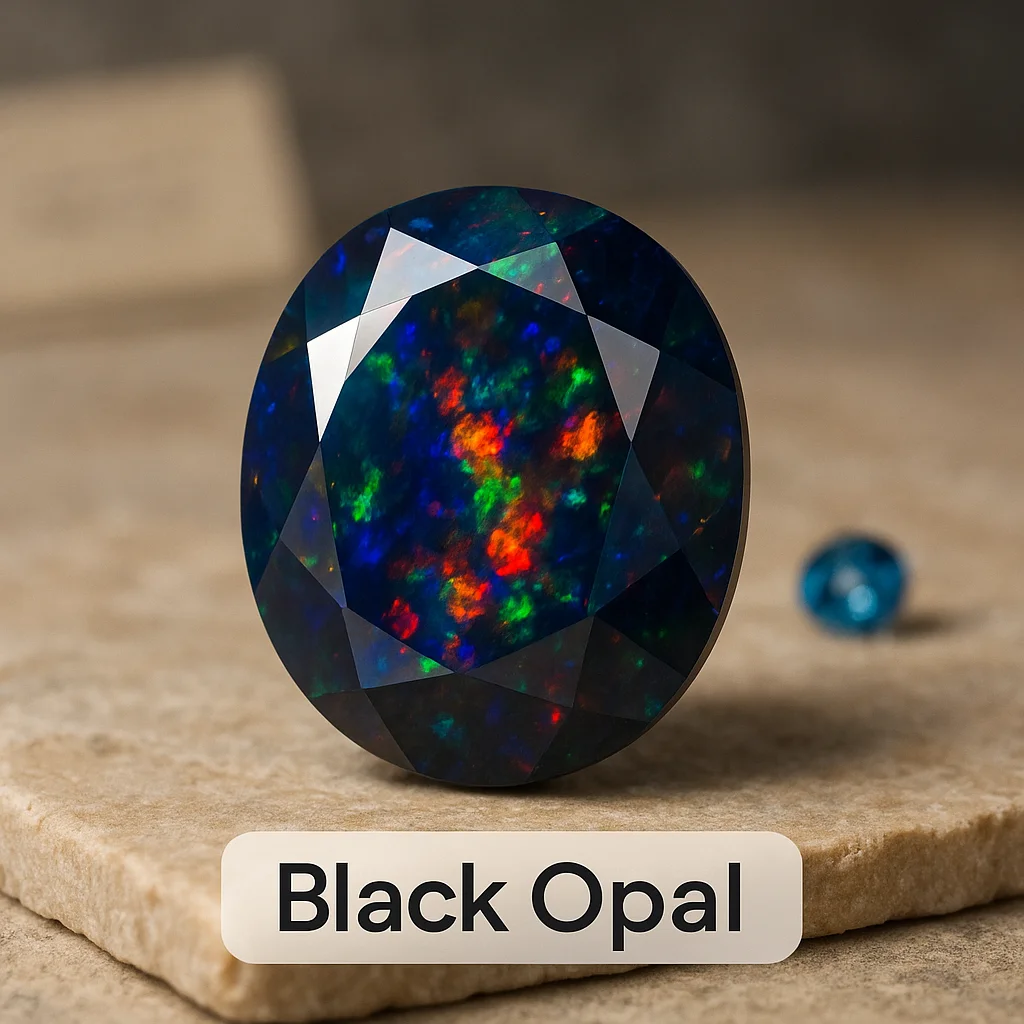
This gemstone is celebrated for its deep, intense hues and mesmerizing patterns, making it highly sought after by collectors and jewelry enthusiasts alike. Often called the “queen of gems,” its unique appearance makes it a popular choice for various types of jewelry.
In this article, we will delve into various aspects of black opal, exploring its appearance, origins, formations, properties, and more. You will also find practical advice on how to care for black opal jewelry and tips for purchasing authentic stones.
🌍 Where It Comes From
Black opal typically forms in sedimentary environments, particularly within cracks and crevices in host rocks where silica-rich fluids have dried up and solidified over millions of years. This process often occurs in regions with volcanic activity, where silica can be sourced from the weathering of rocks.
Australia is famously known for its production of black opal, particularly the Lightning Ridge area in New South Wales. This region is esteemed in the gem industry due to its wealth of high-quality black opals, contributing significantly to the gemstone’s desirability and market value.
The origin of a black opal can affect its color and pattern, with some areas noted for producing stones with distinct reputations for brilliance and intensity. When considering the origin, buyers often check for certificates that verify this, potentially affecting the stone's financial and aesthetic value.
🔬 How It Forms
Black opal forms through a fascinating process where water evaporates from silica-rich solutions, depositing layers of tiny silica spheres within rock cavities over time. This growth can take tens of millions of years and results in the gemstone's entrancing play of color.
The range of vibrant colors found in black opal is due to the diffraction of light by these silica spheres, which vary in size and arrangement. As light enters the opal, it's bent and split into spectral colors, creating the phenomena of play-of-color that opals are renowned for.
Most black opals are found as nodules and potch opals where the silica can form more uniformly, allowing the breathtaking colors to appear more vividly across the stone’s surface.
🎨 Color and Look
Black opals are prized for their diverse range of color, including intense blues, greens, reds, and purples that dance across their dark base. This play-of-color is highly valued, and the more dynamic and visible the spectrum, the more valued the gem.
The stone's appearance can significantly change depending on how it is cut and polished, with skilled cutting enhancing its natural beauty. The cabochon cut is popular for black opals, offering a smooth, rounded surface that showcases the play-of-color to the fullest.
Treatments such as smoke or dye can sometimes be used to enhance or simulate the appearance of black opals. While these methods can improve the stone’s visual appeal, they may also affect the gem’s value and authenticity in the eyes of collectors.
🧪 Properties That Matter
Black opal has a Mohs hardness rating of 5.5 to 6.5, meaning it is moderately soft and requires careful handling. This makes black opals less suitable for daily-wear rings unless they are well protected, but excellent for pendants and earrings.
Despite their captivating beauty, opals are not very tough, meaning they can chip or crack if struck or dropped. Unlike minerals with cleavage planes, opals fracture in a more unpredictable or conchoidal manner, which can complicate repair.
The luster of black opal is often described as vitreous to pearly, dependent on its surface polish level. A well-polished opal can enhance the play-of-color and overall aesthetic appeal, making it a striking addition to any piece of jewelry.
✨ Meanings, Birthstones, and Culture
Black opals, like other opal varieties, have long carried cultural significance and are often associated with creativity and emotional energy. However, it’s important to understand that this is more tradition than scientifically proven fact.
Considered to represent the month of October as a birthstone, black opal is often favored for its unique vibrancy and connection to artistic inspiration. It is also linked to the zodiac sign Libra, adding to its appeal for those born under this sign.
Throughout history, opals have been seen to symbolize hope and purity, though interpretations have varied greatly between cultures. As with all gemstones, it's key to take symbolic meanings with a thoughtful mindset, acknowledging that cultural connotations are diverse and extensive.
🧼 Care and Cleaning
To maintain the beauty of black opal, use a gentle cleaning approach involving mild soap and warm water. Avoid harsh chemicals and ultrasonic cleaners, which can damage the stone’s surface or internal structure.
Always dry the opal with a soft cloth after cleaning to prevent soap or water residue. Be cautious of sudden temperature changes or direct sunlight for extended periods, as these can cause the opal to crack or fade.
For storage, it is ideal to place black opals in a soft pouch or wrap them in a cloth to prevent scratches. Keep them separate from harder gemstones that can cause surface damage through abrasion.
🛒 Buying Tips and What to Check
When purchasing black opal, consider factors such as color intensity, pattern, and brightness. The most valued stones exhibit a kaleidoscope of bright hues against a dark body tone, reflecting their captivating play-of-color.
Verify with reputable sellers whether the opal has undergone any treatments, as untreated stones typically carry higher value. Inquire about the gemstone’s origin if it significantly affects perceived quality and price, asking for lab reports if necessary.
If buying online, ensure clear photographs are provided, and confirm the seller’s return policy and authenticity guarantees. Reviews and seller reputation can provide additional assurance when making a purchase.
⚠️ Real vs Fake and Common Look-Alikes
Black opals have several synthetic and imitation counterparts. Synthetic black opals share the same chemical composition as natural ones but are lab-grown. They are not “fake” but are typically less valuable than natural stones.
Imitations can include assembled doublets and triplets that mimic black opals’ look with a thin layer of real opal bonded to a base, often with a protective cap. Glass and plastic imitations also exist and can be harder to detect without professional assessment.
Common look-alikes may include treated quartz or stones like labradorite. Distinguishing between these requires professional gemological testing, ensuring reliable identification of genuine black opal.
❓ Common Questions and Misconceptions
Q: Is it a mineral or a rock?
A: Black opal is neither; it's a mineraloid, lacking a defined crystal structure.
Q: Is it a birthstone?
A: Yes, black opal represents October as a birthstone.
Q: Will it scratch easily?
A: It can scratch relatively easily compared to harder gemstones; handle with care.
Q: Can it go in water?
A: Brief water exposure is fine, but avoid soaking in water or harsh environments.
Q: Does color fade in sunlight?
A: Prolonged exposure can fade colors; it’s best kept out of direct sunlight.
Q: What treatments are common?
A: Smoke and dye treatments can enhance color but may affect value.
Q: Is lab-grown "fake"?
A: Lab-grown is real opal but lacks the natural formation process.
Q: How do I store it safely?
A: Store black opal in a soft pouch or cloth, away from harder gems.
Q: Do inclusions always lower value?
A: Not always, but they can affect clarity and visual appeal.
Q: How do I pick a good one for jewelry?
A: Choose stones with bright, vibrant play-of-color and personal visual appeal.
📌 Summary
- Black opal is a mineraloid with a spectacular play of color.
- Typical colors include vivid blues, greens, and reds on a dark background.
- Forms from silica-rich solutions under specific geological conditions.
- Has a Mohs hardness of 5.5 to 6.5, suitable for occasional wear.
- Common treatments include dyeing and smoke enhancements.
- Care by gently cleaning with mild soap and water; avoid harsh chemicals.
- Best used in pendants and earrings where exposure is minimized.
- Common look-alikes include synthetic opals and doublets/triplets.
- Authenticity is best confirmed through a professional lab report.
- When buying, check color, pattern, brightness, and certification.
- Represents October as a birthstone with cultural significance in art and creativity.
- Remember: black opal’s allure comes from its complex natural beauty and historical significance.