💎 Blue Aquamarine
🪨 What It Is
Blue aquamarine is a beautiful and popular gemstone known for its stunning blue hues. It is a variety of the mineral beryl, which also includes other gemstones like emerald and morganite. Aquamarine is prized for its color and clarity, making it a popular choice for jewelry, especially in rings, necklaces, and bracelets.
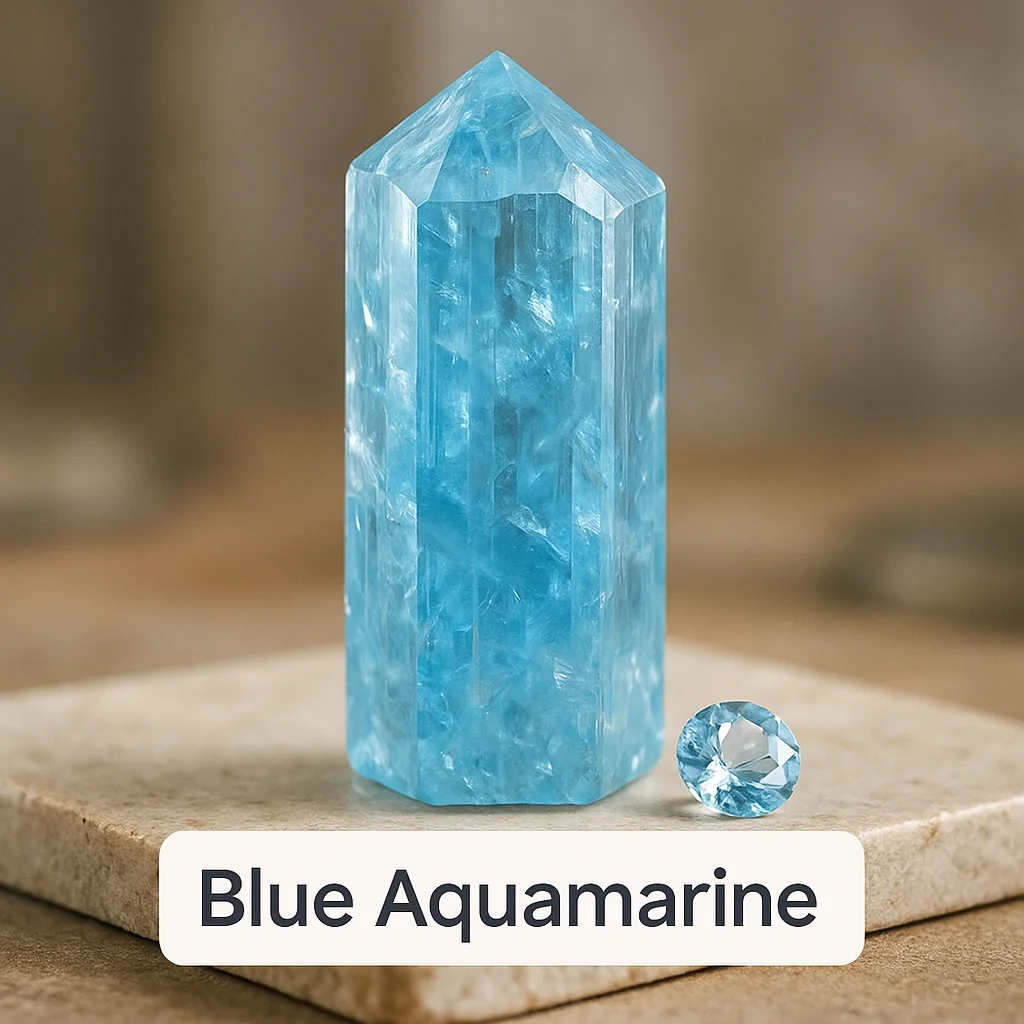
This gemstone is also significant culturally as it is traditionally associated with the month of March as a birthstone. Its serene color and clarity often evoke images of the sea, and it is a favorite among those who appreciate gemstones with a connection to nature and tranquility.
In this article, you will learn about the appearance, properties, origins, value, care, and buying tips for blue aquamarine. This guide aims to help you understand what makes aquamarine special and how to choose and maintain pieces featuring this gemstone.
🌍 Where It Comes From
Aquamarine occurs naturally in a variety of geologic settings, most commonly found in granite pegmatites, which are coarse-grained igneous rocks. These rocks provide the perfect conditions for the growth of beryl crystals over long periods, allowing aquamarine to develop its distinctive blue color.
Significant sources of aquamarine include countries in Africa, South America, and Asia. Brazil is especially renowned for producing stunning aquamarine gems with exceptional clarity and color. Other notable sources include Nigeria, Madagascar, and Mozambique, each contributing to the gemstone's availability and variety.
The origin of aquamarine can influence its value, as stones from certain regions may possess unique characteristics that are highly sought after by collectors and enthusiasts. Factors such as color saturation and clarity often vary by source, and these features can play an important role in the gemstone's market reputation.
🔬 How It Forms
Aquamarine forms through a combination of geological processes that occur deep within the Earth. It begins with the cooling of magma, which leads to the formation of large mineral crystals within the granite pegmatites. Over time, these crystals grow and develop, subject to changes in temperature and pressure.
The beautiful blue color of aquamarine is primarily due to trace amounts of iron within its crystal structure. The presence of these trace elements during formation influences the specific shade of blue, ranging from pale to deep blue tones. The color is further enhanced by natural geological conditions over millions of years.
Aquamarine typically forms in elongated prism-shaped crystals, which are highly favored for cutting into faceted gems. The gem's transparency and crystal habit make it an excellent choice for a variety of jewelry designs, accentuating its natural beauty when cut and polished.
🎨 Color and Look
Blue aquamarine is celebrated for its range of blue shades, from light sky blue to deeper sea blue tones. The color can appear particularly vibrant in strong natural or artificial light, making it a captivating choice for gemstone aficionados.
The appearance of aquamarine can be affected by the way it is cut and polished. Precision cutting can enhance the stone's natural brilliance and bring out its best color qualities. Clarity is another important aspect, as aquamarine typically exhibits good transparency with few inclusions, which are internal features or imperfections.
While aquamarine generally does not require treatment, some stones may undergo heat treatment to improve their color. This process is widely accepted in the gemstone industry and does not diminish the stone's value if disclosed properly. In general, untreated aquamarine with vivid natural color may command higher prices.
🧪 Properties That Matter
Aquamarine has practical properties that make it an appealing choice for both daily wear and special occasion jewelry. With a Mohs hardness of 7.5 to 8, it is reasonably scratch-resistant, though care should be taken to avoid hard impacts that could cause chipping.
The gemstone has a good toughness, meaning it resists breaking when dropped or hit, although it should still be handled with care to prevent potential damage. Its cleavage is indistinct, which generally means it does not break along defined planes.
Aquamarine's luster is vitreous, giving it a shiny and classy appearance when polished. The gem is typically transparent or translucent, which allows light to pass through and enhance its visual appeal. This makes it suitable for a range of jewelry types, including rings, pendants, and earrings.
✨ Meanings, Birthstones, and Culture
Blue aquamarine is traditionally associated with the month of March as a birthstone. It is believed by many cultures to symbolize courage, protection, and calmness, often linked to the soothing qualities of water.
Folklore suggests that aquamarine has been used by sailors as a talisman for good luck and safe voyages, given its connection to the sea. While these beliefs add to the gem’s allure, they are not scientifically proven properties.
Today, aquamarine continues to be a favorite in modern jewelry design, appreciated for its beauty and symbolic associations. Its serene blue tones offer a timeless elegance that complements a wide variety of fashions and styles.
🧼 Care and Cleaning
Caring for aquamarine is relatively straightforward, though some precautions are advisable to maintain its beauty. Cleaning can be done safely using warm soapy water and a soft brush. It is important to rinse the stone thoroughly afterward to remove any soapy residue.
When cleaning aquamarine, avoid using harsh chemicals or steam cleaners, as these can damage the stone or affect its color over time. Additionally, aquamarine should not be exposed to high heat or sudden temperature changes, which could cause cracks or color alteration.
For storage, aquamarine should be kept away from other harder gemstones to prevent scratches. Wrapping it in a soft cloth or placing it in a fabric-lined jewelry box is a good practice to protect it from potential damage.
🛒 Buying Tips and What to Check
When purchasing aquamarine, several factors influence its price and quality, including color, clarity, cut, and carat size. Generally, stones with richer blue hues and fewer inclusions are more valuable. A well-cut aquamarine will display enhanced brilliance and color.
It's important to inquire about any treatments the stone may have undergone. Trusted sellers should provide this information, and a gemological report can confirm the gemstone's authenticity and details. This report can detail the stone’s natural or treated status.
For online purchases, examine photos carefully and check the seller's return policy and reputation. Ensure full disclosure of gemstone treatments and origins when possible. A reliable buying checklist can help you make informed decisions and find a quality piece of jewelry.
⚠️ Real vs Fake and Common Look-Alikes
Distinguishing natural blue aquamarine from synthetic or imitation stones can be challenging without professional testing. Natural aquamarine is mined from the Earth, whereas synthetic versions are grown in a lab setting but have the same chemical properties.
Common aquamarine imitations include glass, plastic, and doublets (assembled stones), which can mimic its appearance but are usually less durable. While these may appear similar, they do not possess the same properties or value as genuine aquamarine.
Testing by a professional gemologist is the best way to confirm a stone's authenticity, as visual examination alone is often insufficient for accurate identification. Caution is advised against home experiments that could damage the gemstone.
❓ Common Questions and Misconceptions
Is it a mineral or a rock? Aquamarine is a mineral, specifically a variety of beryl.
Is it a birthstone? Yes, aquamarine is the birthstone for March.
Will it scratch easily? With a Mohs hardness of 7.5 to 8, aquamarine is relatively scratch resistant but should be protected from harder materials.
Can it go in water? Aquamarine can be rinsed in water for cleaning, but long soaking is not recommended.
Does color fade in sunlight? Prolonged exposure to intense sunlight may cause fading, so it is best to store aquamarine away from direct sunlight.
What treatments are common? Heat treatment is common to enhance color but should be disclosed by sellers.
Is lab-grown “fake”? Lab-grown aquamarine has the same physical properties as natural aquamarine but may be less valued due to its artificial origin.
How do I store it safely? Store aquamarine separately in a soft cloth or lined box to prevent scratches and other damage.
Do inclusions always lower value? Inclusions can affect value, but minimal, unobtrusive inclusions in aquamarine often do not detract significantly from its appearance.
How do I pick a good one for jewelry? Look for rich color, clarity, and a quality cut to ensure the stone sparkles and shows its best features.
📌 Summary
- Aquamarine is a mineral and a variety of beryl.
- Typical colors range from light blue to deep blue.
- Aquamarine forms in granite pegmatites over millions of years.
- Key properties include good hardness and toughness.
- Common treatments include heat to enhance color.
- Care with gentle cleaning and careful storage is recommended.
- Best used in rings, pendants, and earrings for both daily and special occasions.
- Common look-alikes include glass and synthetic stones.
- Authenticity is confirmed through professional gemological testing.
- Focus on color, clarity, and cut when buying.
- Culturally, aquamarine is March’s birthstone and symbolizes calmness.
- Aquamarine’s serene beauty and elegant color make it a lasting favorite.