💎 Blue Tanzanite
🪨 What It Is
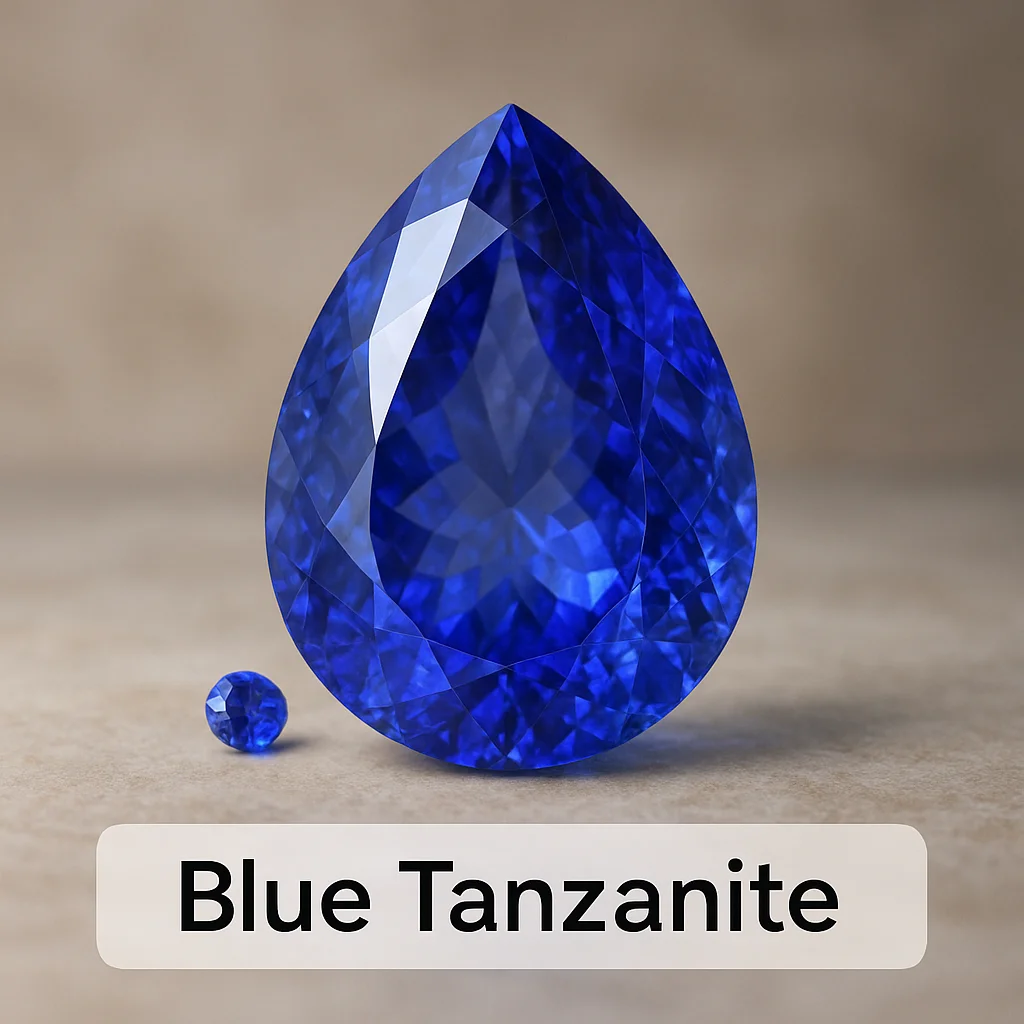
Blue tanzanite is a captivating gemstone known for its unique and vibrant blue-violet color. It belongs to the zoisite mineral group and is celebrated as one of the most beautiful gemstones in the world. Tanzanite is highly sought after for its striking color and is often used in fine jewelry, making it a popular choice for those seeking elegance and uniqueness.
This gemstone is not only admired for its beauty; it also holds cultural significance as the birthstone for December. This makes it an ideal gift for those born in that month, symbolizing transformation and new beginnings.
In this article, you will learn about the appearance, properties, origins, value, care, and tips for buying blue tanzanite. Whether you are a collector, a jewelry enthusiast, or simply curious, understanding this remarkable gemstone will enhance your appreciation for it.
🌍 Where It Comes From
Blue tanzanite is a gemstone that is notably sourced from a single geographical location in the world: the Merelani Hills in northern Tanzania. This region is renowned for its rich deposits of tanzanite, making it truly unique among gemstones due to its limited area of origin.
The geological setting of tanzanite involves metamorphic processes where high levels of heat and pressure alter the mineral environment. This setting contributes to the remarkable color characteristics and clarity that tanzanite is known for. The scarcity of its source plays a significant role in its market value and desirability.
The origin of blue tanzanite can influence its color and clarity. Gems from certain areas may display more vivid hues, which are highly prized in the market. Therefore, the tanzanite's origin is an important factor for both gemologists and buyers looking for the finest quality stones.
🔬 How It Forms
Blue tanzanite forms deep within the Earth's crust under conditions of extreme heat and transformational pressure. The process involves the alteration of brown zoisite into the blue-violet gemstone we recognize as tanzanite.
The striking blue color of tanzanite is attributed to the presence of trace elements, primarily vanadium, within the crystal structure. This trace element interaction, combined with the natural metamorphic environment, induces the gemstone's signature hue.
Tanzanite typically occurs in crystal form, with well-defined prismatic shapes. This crystal structure contributes to its overall beauty and is an important factor during the cutting and fashioning process, influencing the final appearance and value of the gemstone.
🎨 Color and Look
Tanzanite is most admired for its deep blue color, which can range from sapphire-like blue to rich purplish blue. Under different lighting conditions, it may also exhibit pleochroism, where the gemstone appears to change colors, offering tantalizing glimpses of blue, violet, and burgundy.
Various factors can affect the appearance of tanzanite, including the cut, polish, and clarity. A well-cut tanzanite can maximize its color intensity and enhance its overall brilliance. High transparency and minimal inclusions also increase the desirability of the gemstone.
It is important to note that many tanzanites undergo heat treatment to enhance their blue color. This treatment is widely accepted in the gem trade and does not diminish the stone's value. Understanding such enhancements is crucial for prospective buyers.
🧪 Properties That Matter
Tanzanite has a Mohs hardness rating of about 6 to 7, which implies moderate scratch resistance. While suitable for occasional wear in jewelry, it may not be ideal for rings or other pieces that are subjected to daily wear and potential abrasion.
In terms of toughness, tanzanite is not particularly resistant to chipping or cracking, requiring careful handling to avoid sharp impacts. The stone has distinct cleavage, meaning it can split along certain planes, making it vulnerable to breakage if struck.
The luster of tanzanite is vitreous, offering a glass-like sheen when polished. This adds to the gemstone's allure, although care should be taken to preserve this property through considerate cleaning and maintenance.
✨ Meanings, Birthstones, and Culture
Traditionally, tanzanite is associated with transformation and spiritual awakening. Many believe it facilitates a heightened state of awareness, symbolic of self-discovery and change. While these are cultural associations, they add depth to the gemstone's appeal.
As the birthstone for December, tanzanite carries significance for those born in this month. Its rare beauty and connection to transformation make it a meaningful gift for anyone celebrating a December birthday.
Beyond its birthstone status, tanzanite is prominently used in modern jewelry designs, often featured in rings, pendants, and earrings to add color and distinctiveness to any jewelry collection.
🧼 Care and Cleaning
Proper care and cleaning are essential to maintain the beauty of tanzanite jewelry. It is advisable to use gentle soap and water for cleaning, followed by a soft cloth to dry and polish the stone.
Tanzanite should be protected from harsh chemicals and sudden temperature changes, as these can damage the gemstone. Long soaking is not recommended, particularly if the stone is set in delicate jewelry pieces.
Storing tanzanite separately or in a soft-lined jewelry box helps prevent scratches and extends the life of the gemstone. Such careful handling ensures that your tanzanite remains a cherished piece for years to come.
🛒 Buying Tips and What to Check
When purchasing tanzanite, several factors can affect its quality and price. The color should be vivid and evenly distributed, with a preference typically given to gems with a deeper blue hue.
Clarity is another important factor—look for stones with minimal inclusions that would affect the gem's transparency and brilliance. The cut also greatly influences the appearance; well-cut stones will display optimal color and shine.
Consider asking for a lab report when buying high-value tanzanite to verify any treatments or enhancements. Reports offer insight but focus on the known limitations since they cannot authentically prove natural origin without thorough testing.
When buying online, it's prudent to assess the seller’s reputation, review authentic photos, and understand the return policy. This prevents any issues, ensuring that the purchase meets your expectations and authenticity requirements.
⚠️ Real vs Fake and Common Look-Alikes
Differentiating between natural, synthetic, and imitation tanzanite is vital. Lab-grown tanzanite mimics natural features but can typically be identified with advanced testing, while imitations might use glass or plastic to simulate appearance without genuine characteristics.
Assembled stones like doublets or triplets may include thin slices of tanzanite with adhesive layers, altering value and authenticity. Professional testing can help identify these and ensure you're purchasing the real thing.
Common look-alikes include blue sapphire and iolite. While visually similar, these stones possess different compositions and properties, emphasizing the importance of professional evaluation for accurately identifying tanzanite.
❓ Common Questions and Misconceptions
Is it a mineral or a rock? Tanzanite is a mineral belonging to the zoisite family.
Is it a birthstone? Yes, tanzanite is the birthstone for December.
Will it scratch easily? With a Mohs hardness of 6 to 7, it can scratch if not handled carefully.
Can it go in water? Brief exposure to water is fine, but avoid long soaking.
Does color fade in sunlight? Prolonged exposure to strong sunlight may cause fading; store it carefully.
What treatments are common? Heat treatment is commonly utilized to enhance color.
Is lab-grown 'fake'? Lab-grown gems are not fake but are synthetic alternatives.
How do I store it safely? Use a soft cloth or separate compartment to prevent scratches.
Do inclusions always lower value? Significant inclusions can decrease value by affecting clarity.
How do I pick a good one for jewelry? Focus on color, clarity, and cut for the best quality stone.
📌 Summary
- Tanzanite is a vibrant blue-violet gemstone from the zoisite mineral family.
- Its color ranges from deep blue to bluish-violet, known for its pleochroism.
- Forms through metamorphic processes influenced by heat, pressure, and vanadium.
- Mohs hardness of 6-7; moderate scratch resistance but requires careful handling.
- Heat treatments are common to enhance color; disclosure is essential for buyers.
- Use gentle soap and water for cleaning; avoid harsh chemicals and temperature changes.
- Ideal for occasionally worn jewelry like pendants and earrings.
- Common look-alikes include sapphire and iolite, requiring professional identification.
- Lab reports provide details on treatments but ensure authenticity with careful checks.
- December birthstone with cultural ties to transformation and new beginnings.
- Originates exclusively from Tanzania, emphasizing its rarity and specialty.
- Tanzanite captures attention with unique color and remains a prized gemstone in jewelry.