💎 Blue Topaz
🪨 What It Is
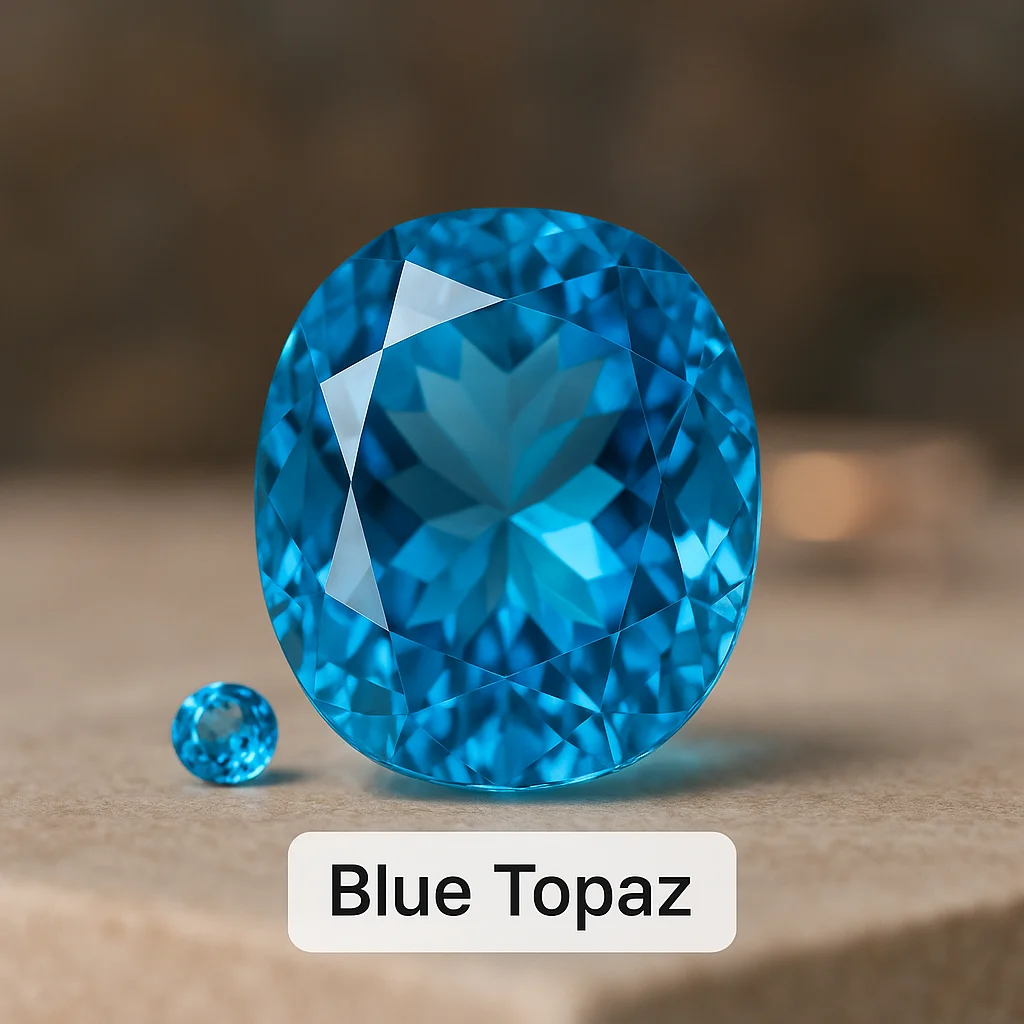
Blue topaz is a stunning gemstone variety of the mineral topaz, known for its striking blue hue. Topaz itself is a silicate mineral that forms in a range of colors, with blue being one of the most popular. Blue topaz is often cherished in jewelry for its vibrant color and brilliance.
This gemstone is also recognized as a birthstone for December, making it a popular choice for those born in that month. Jewelry enthusiasts appreciate blue topaz for its clarity and affordability compared to other gemstones such as sapphires and aquamarines.
In this article, we will explore the appearance, properties, origin, value, care, and buying tips for blue topaz. Whether you're a beginner gem enthusiast or looking to add this lovely stone to your collection, you'll find useful insights on this captivating gemstone.
🌍 Where It Comes From
Blue topaz occurs naturally but is commonly enhanced to achieve its vivid blue colors. It forms in igneous rocks and is typically found in cavities within granite and rhyolite formations. The natural topaz crystals may be clear, yellow, or pale blue, and undergo treatments to develop the popular blue shades.
Historically, topaz has been mined from various regions around the world, including Brazil, which is one of the most significant sources. Other notable producers include Russia, Nigeria, and the United States. The origin of blue topaz can sometimes affect its market value, depending on the clarity and quality of the stones extracted from different locations.
When considering the origin of a blue topaz, it can be beneficial to inquire about the specific source as it might offer insights into the gemstone's characteristics. However, for many jewelry enthusiasts, the beauty and appeal of the gemstone take precedence over its geographic origin.
🔬 How It Forms
Blue topaz, like all topaz, forms under high-temperature conditions in igneous rocks. It crystallizes from fluorine-rich vapors during the last stages of volcanic activity. These vapors fill cavities in the cooling rock, creating the ideal environment for topaz crystals to grow over time.
The blue color of topaz is rarely found naturally; it is often the result of irradiation treatment. This process enhances the gemstone's color, transforming pale blue or colorless topaz into a vibrant blue. It's important to note that this treatment is stable and popular in the gemstone industry.
Topaz typically develops in orthorhombic crystals, which can feature elongated prism shapes. This crystal habit contributes to the gemstone's ability to be cut into various faceted forms, enhancing its natural sparkle and brilliance.
🎨 Color and Look
Blue topaz is widely admired for its range of enchanting blue shades, from pale sky blue to deep Swiss and London blues. The intensity of the color depends not just on treatment but also on the cut, size, and lighting conditions under which it is viewed.
The appearance of blue topaz is often influenced by its cut and polish quality. Expertly cut stones reveal a brilliance that catches the light beautifully, making them highly desirable for jewelry. The clarity of blue topaz also plays a significant role; high-quality stones are often eye-clean with no visible inclusions.
Common treatments for blue topaz include heat and irradiation, used to enhance and deepen the blue color. These processes are widespread and accepted in the gem industry, but it's advisable for buyers to be aware of such enhancements when purchasing.
🧪 Properties That Matter
The Mohs hardness rating of blue topaz is 8, which makes it quite resistant to scratches and ideal for everyday jewelry like rings and bracelets. However, despite its excellent scratch resistance, blue topaz is known for its perfect cleavage, which means it can split easily if struck with enough force.
In terms of luster, blue topaz features a vitreous or glass-like shine, which enhances the gem's overall appeal when cut and polished correctly. The gemstone's transparency varies with some stones displaying exceptional clarity, making them especially attractive.
Due to its cleavage and toughness, special care should be taken when wearing blue topaz in rings, as blows or hard impacts can cause it to chip or break. It is more suitable for pendants and earrings, which are less prone to wear and tear.
✨ Meanings, Birthstones, and Culture
Blue topaz has a rich cultural history and is traditionally associated with attributes like serenity and calmness. It is considered a stone of peace and mental clarity in various traditions and is believed to inspire creativity and enhance communication.
As a birthstone for December, blue topaz is often gifted to those born in this month. It holds special significance during the holiday season, making it a meaningful gift for birthdays or anniversaries occurring in December.
While these meanings are deeply rooted in tradition and folklore, it's crucial to view them as cultural enhancements to the stone's natural beauty, rather than scientific facts or proven benefits.
🧼 Care and Cleaning
When it comes to cleaning blue topaz, the safest method is using gentle soap and water. A soft cloth or a brush with soft bristles can help remove dirt or oils without damaging the stone. Warm, soapy water is safe, but avoid prolonged soaking.
It's important to avoid harsh chemicals and ultrasonic cleaners, which can cause damage to blue topaz, especially if it has inclusions or treatment-induced fractures. The use of steam cleaners should also be avoided due to the stone's sensitivity to extreme highs and lows in temperature.
For storage, keeping blue topaz separate from other gemstones is advised to prevent scratches due to contact. A soft pouch or padded jewelry box can assist in keeping the gemstone safe and maintain its luster over time.
🛒 Buying Tips and What to Check
When purchasing blue topaz, factors such as color, clarity, cut, and carat size play significant roles in determining the gem's value. The most sought-after colors are the deep London blue and the bright Swiss blue, which tend to command higher prices.
Transparency and lack of visible inclusions are critical to the value, with clearer stones often being more expensive. A precise and symmetric cut enhances the stone's sparkle and should be considered carefully during purchase.
Buyers should also ask for disclosure about any treatments the blue topaz has undergone. For high-value stones, it is advisable to request a gemological report from a reputable laboratory, confirming the stone's authenticity and treatments.
For online purchases, ensure seller credibility, check for a return policy, and review high-quality photos closely to make an informed decision.
⚠️ Real vs Fake and Common Look-Alikes
Natural blue topaz can be distinguished from synthetic (lab-grown) versions, which are created in controlled environments and share the same chemical composition and appearance. However, synthetic stones are often labeled clearly and sold at a lower price.
Imitations and assembled stones such as doublets and triplets might be passed off as blue topaz. These are typically made of glass or other less expensive materials and do not possess the same properties as genuine topaz.
Common look-alikes include blue zircon, aqua chalcedony, and aquamarine. Identifying authentic blue topaz versus these alternatives often requires professional testing, as visual examination alone isn't always sufficient.
❓ Common Questions and Misconceptions
Is it a mineral or a rock? Blue topaz is a mineral.
Is it a birthstone? Yes, it is a birthstone for December.
Will it scratch easily? Blue topaz has good scratch resistance due to its hardness of 8 on the Mohs scale.
Can it go in water? Brief exposure to water is fine, but avoid prolonged soaking.
Does color fade in sunlight? It is generally stable in sunlight, but avoid long-term exposure to intense light.
What treatments are common? Heat and irradiation are the common treatments to enhance its color.
Is lab-grown 'fake'? Lab-grown blue topaz is real but is synthetic; it has the same properties as natural blue topaz.
How do I store it safely? Store separately in a soft pouch to avoid scratches.
Do inclusions always lower value? Inclusions can lower the clarity and value, but some may be minor and not impact the overall appearance.
How do I pick a good one for jewelry? Look for a vibrant color, clear clarity, and a well-executed cut for the best aesthetics in jewelry.
📌 Summary
- Blue topaz is a variety of the mineral topaz known for its blue color.
- Shades range from light sky blue to deep London blue.
- Formed in igneous rocks with heat and fluorine-rich vapors.
- Mohs hardness of 8 makes it suitable for rings and bracelets.
- Commonly heat-treated and irradiated to enhance color.
- Clean with soap and water; avoid harsh chemicals and steam.
- Ideal for pendants and earrings due to cleavage risk.
- Look-alikes include blue zircon and aquamarine.
- Authenticity is best confirmed with professional testing.
- Ensure reputable sellers, and verify any treatments declared.
- Traditionally linked to December births and associated with peace.
- A memorable choice for vibrant jewelry that balances beauty with durability.