💎 Green Emerald
🪨 What It Is
Green emerald is a highly valued gemstone known for its rich green color. It is a variety of the mineral beryl and is considered one of the four precious gemstones, along with diamonds, rubies, and sapphires. Emeralds have captivated people's imaginations for centuries with their vibrant color and rarity.
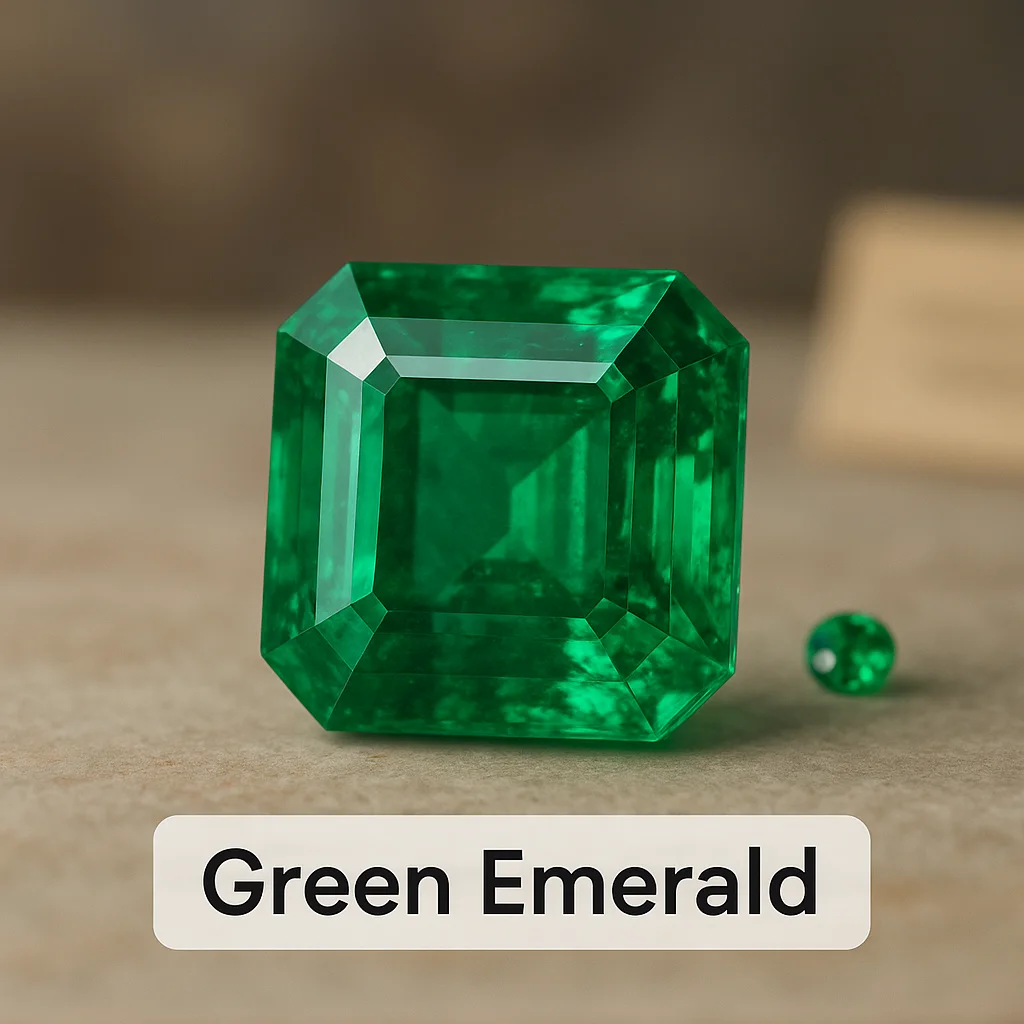
As a birthstone, green emerald is associated with the month of May. It is believed to symbolize rebirth, growth, and prosperity, making it a popular choice for jewelry and gifts. Emeralds are often set in rings, necklaces, and earrings, showcasing their dazzling hues.
This article will guide you through the fascinating world of green emeralds, exploring their appearance, properties, origins, and care. Whether you're a budding gem enthusiast or considering purchasing an emerald, you'll find valuable insights into this remarkable gemstone.
🌍 Where It Comes From
Emeralds are found in natural settings, often forming in metamorphic and igneous rocks. They typically occur in hydrothermal veins, where minerals are deposited from hot fluids circulating through the Earth's crust. The conditions required for emerald formation make them relatively rare gems.
Colombia is the most famous producer of high-quality emeralds, known for their rich green hue and clarity. Other significant sources include Zambia, Brazil, and Zimbabwe, each offering emeralds with distinct characteristics. The color and clarity of emeralds can vary depending on their origin, with Colombian emeralds often noted for their intense green color.
The origin of an emerald can influence its value and desirability. Colombian emeralds, for instance, tend to command higher prices due to their reputation for exceptional quality. When purchasing emeralds, understanding the source can help in assessing their value and authenticity.
🔬 How It Forms
Emeralds form through a natural process involving heat, pressure, and the presence of specific trace elements. Beryl, the mineral family to which emeralds belong, gains its green color from trace amounts of chromium and, sometimes, vanadium. These elements must be present in the right proportions and conditions to produce emeralds.
The formation process begins when beryllium-rich fluids interact with chromium or vanadium-bearing rocks under high temperature and pressure. Over millions of years, these conditions facilitate the growth of emerald crystals. Emeralds commonly form hexagonal crystal shapes, which gemstone cutters can expertly fashion into beautiful facets.
Occasionally, emeralds contain natural inclusions, or internal features, which may resemble gardens or moss-like patterns. These inclusions are characteristic of natural emeralds and can add to their individuality and value.
🎨 Color and Look
Emeralds are most prized for their lush green color, which can range from bluish-green to slightly yellowish-green. The most desirable emeralds typically exhibit a vivid green hue with even color distribution. Such characteristics contribute to the gemstone's attractiveness and appeal.
The appearance of an emerald is affected by factors such as cut, polish, and the presence of inclusions. A well-cut emerald will maximize its color and brilliance, while a poor cut may result in a dull appearance. Inclusions, while often present, can sometimes affect transparency and should be carefully considered when evaluating an emerald.
Emeralds may undergo treatments to enhance their clarity and color. Oiling is a common practice, where natural oils are applied to fill surface-reaching fractures and improve the stone's appearance. Such treatments are generally accepted in the gemstone industry, but transparency about treatments is crucial when purchasing an emerald.
🧪 Properties That Matter
The practical properties of emeralds make them suitable for various types of jewelry, though some considerations are necessary. On the Mohs scale of hardness, emeralds register between 7.5 and 8, providing decent resistance to scratches, although they are not as hard as diamonds or sapphires.
Emeralds are known to have natural fractures, making them less tough and more prone to chipping or breaking, especially if mishandled. This fragility means they are best suited for occasional wear in rings, while more protective settings are recommended for daily use.
Emeralds exhibit a vitreous, or glass-like, luster when polished. They are generally translucent to opaque, with clearer stones being more valued. Understanding these properties helps in choosing the right emerald for specific jewelry applications.
✨ Meanings, Birthstones, and Culture
Throughout history, emeralds have been revered for their beauty and symbolism. Traditionally, emeralds are associated with renewal, love, and growth. They are often thought to bring balance and harmony to relationships and are a popular gift for weddings and anniversaries.
As the birthstone for May, emeralds hold cultural significance and are said to offer protection and good fortune to those born in this month. In folklore, emeralds were believed to have healing properties and were used as talismans in ancient civilizations.
Today, emeralds continue to feature prominently in modern jewelry designs. Their timeless appeal and vibrant color make them a favored choice for both classic and contemporary pieces, reflecting a blend of tradition and style.
🧼 Care and Cleaning
Caring for emeralds involves gentle cleaning and careful handling. To clean an emerald, use mild soap and lukewarm water with a soft cloth or brush to remove dirt and oils. Avoid harsh chemicals or ultrasonic cleaners, which can damage the stone or its treatments.
Emeralds should be protected from sudden temperature changes, as these can cause fractures. It's advisable to remove emerald jewelry before engaging in physical activities or household chores to prevent accidental damage.
For safe storage, keep emeralds separate from harder gemstones to prevent scratches. Wrap them in soft cloth or store them in a padded jewelry box when not in use to preserve their beauty over time.
🛒 Buying Tips and What to Check
When purchasing an emerald, several factors affect its price and quality, including color, clarity, cut, carat weight, and origin. Deep, vivid green hues with minimal inclusions are typically the most valued. A skilled cut that maximizes color and brilliance adds significantly to an emerald's worth.
It's essential to inquire about any treatments the emerald has undergone, such as oiling, as these can impact value and care. Requesting a gemological lab report can verify the stone's authenticity and treatment history.
For online purchases, examine photos carefully, verify the seller's reputation, and read the return policy. Ensure transparency in gemstone disclosure for a satisfying buying experience and investment.
⚠️ Real vs Fake and Common Look-Alikes
Distinguishing between natural, synthetic, and imitation emeralds requires attention to detail. Natural emeralds are mined from the earth, while synthetic emeralds are lab-grown with identical properties. Although synthetic emeralds are real, they are generally less expensive than their natural counterparts.
Imitation emeralds, such as glass or plastic, mimic the appearance but lack the physical properties of true emeralds. Assembled stones, like doublets or triplets, combine materials to simulate an emerald's look but aren't genuine stones.
Common look-alikes include green tourmaline and peridot, which may be mistaken for emeralds. Professional testing, rather than risky home experiments, is the only reliable method for confirming authenticity and value.
❓ Common Questions and Misconceptions
Is it a mineral or a rock? Emerald is a mineral, not a rock.
Is it a birthstone? Yes, emerald is the birthstone for May.
Will it scratch easily? Emeralds have a Mohs hardness of 7.5 to 8, so they can resist scratches but are not as hard as diamonds or sapphires.
Can it go in water? Yes, but avoid long soaks to prevent any potential damage, especially to treated stones.
Does color fade in sunlight? Generally, emeralds maintain their color in sunlight, but excessive heat exposure should be avoided.
What treatments are common? Oiling is a common treatment to enhance the stone's clarity.
Is lab-grown 'fake'? Lab-grown emeralds are real emeralds, but they are created in a lab rather than formed naturally.
How do I store it safely? Store emeralds separately from harder stones, wrapped in a soft cloth.
Do inclusions always lower value? Not necessarily. Some inclusions are acceptable and characteristic, though fewer inclusions typically increase value.
How do I pick a good one for jewelry? Look for a vivid color with good clarity and ask about any treatments.
📌 Summary
- Green emerald is a precious gemstone and a variety of beryl.
- Its typical color is a vivid green, ranging from bluish-green to yellowish-green.
- Emeralds form in hydrothermal veins, requiring specific trace elements.
- They have a Mohs hardness of 7.5 to 8, with moderate toughness.
- Commonly treated with oil to enhance clarity, affecting care needs.
- Use mild soap and water for cleaning; avoid harsh chemicals.
- Emeralds are perfect for rings and pendants, with protective settings advised.
- Green tourmaline and peridot are common look-alikes; professional testing is best for verification.
- Lab reports can confirm authenticity and disclose treatments.
- May birthstone and associated with rebirth and prosperity as tradition.
- When buying, check color, clarity, cut, and carat, along with treatment disclosures.
- Emeralds are celebrated for their vibrant color and unique beauty, offering timeless appeal.