💎 Orange Spessartite Garnet
🪨 What It Is
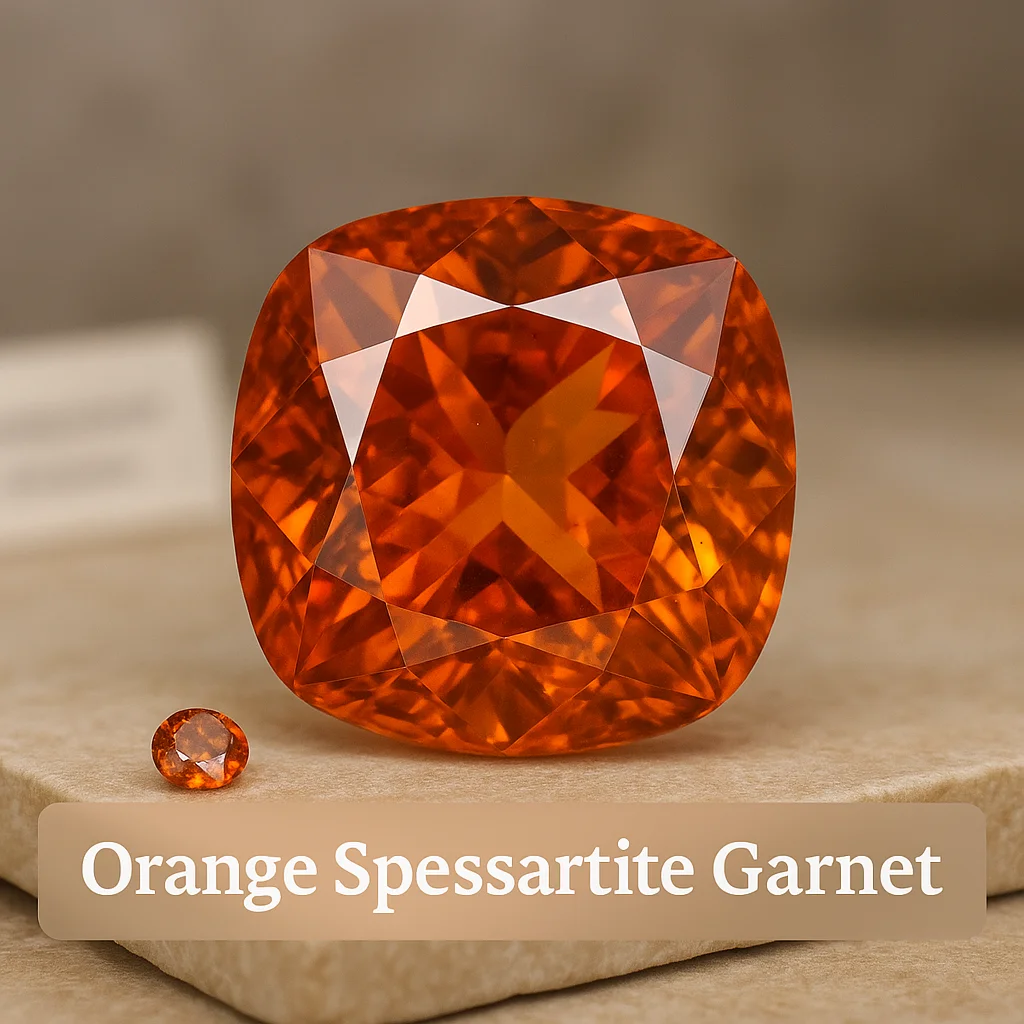
Orange spessartite garnet is a vibrant gemstone belonging to the garnet family, known for its brilliant hues and remarkable luster. As a variety of garnet, it consists of manganese aluminum garnet with a distinctive orange to reddish-orange color palette. This gemstone is highly regarded for its stunning appearance and popularity in jewelry.
This article delves into the fascinating world of orange spessartite garnet, exploring its origins, properties, and how it forms. Whether you are a gemstone enthusiast or a curious beginner, you will learn about its unique features, cultural significance, and essential buying tips.
Orange spessartite garnet is also recognized as a birthstone for those born in January, making it a favored choice for personalized birthstone jewelry. We will explore its properties, meanings, and care instructions to help you make an informed decision when purchasing or wearing this beautiful gem.
🌍 Where It Comes From
Orange spessartite garnet forms in metamorphic and igneous rocks as a result of geological processes involving heat and pressure over millions of years. The gemstone is typically found in pegmatites and certain types of granite. Its formation is influenced by the presence of manganese, which imparts the characteristic orange hue.
This gemstone is primarily sourced from regions known for their rich geological diversity. Major deposits are located in parts of Africa, particularly Nigeria and Namibia, and in other regions such as Brazil and Madagascar. Each source can yield slightly different shades and qualities, making the origin an important factor in valuation.
The origin of orange spessartite garnet is significant because gems from various locations may exhibit distinct shades, clarity, and overall appeal, thus influencing their desirability and market value. Nigerian stones, for example, are renowned for their vibrant saturation, while gems from other regions may have unique secondary tones.
🔬 How It Forms
Orange spessartite garnet is formed through a natural process involving high-temperature and high-pressure conditions within the Earth's crust. These conditions facilitate the crystallization of minerals, including spessartite, from molten rock or magma. Over time, cooling and solidification create crystals that are later uncovered through various geological events.
The color of spessartite garnet is primarily due to the presence of manganese, which acts as a chromophore, or coloring agent. The orange to reddish-orange color spectrum comes from manganese combined with varying degrees of oxygen bonds. This specific coloration is what sets orange spessartite apart from other types of garnet.
Spessartite typically forms as well-defined crystals, occasionally found as inclusions within larger rocks or in isolated crystal formations. These distinct shapes and formations contribute to the gem's desirability and unique appearance, often sought after by collectors and jewelers alike.
🎨 Color and Look
Orange spessartite garnet is cherished for its vibrant orange to reddish-orange colors, which can range from a bright, fiery hue to a deeper, more subdued tone. The gem's color is often described as warm and inviting, attracting attention due to its eye-catching brilliance.
When cut and polished, orange spessartite garnet exhibits exceptional luster and transparency, enhancing its aesthetic appeal. Clarity can vary, with higher-quality stones displaying fewer inclusions. Proper cutting can optimize the gem's color and brilliance by maximizing its natural refractive properties.
Unlike some gemstones, spessartite garnet typically does not receive treatments to enhance its color or clarity. However, it is essential for buyers to inquire about any potential treatments, especially when purchasing high-value gems. The natural beauty of the stone is best appreciated in untreated specimens.
🧪 Properties That Matter
Understanding the properties of orange spessartite garnet can help in assessing its suitability for various types of jewelry. On the Mohs hardness scale, this gemstone ranks around 7 to 7.5, providing resistance to scratches and making it appropriate for use in rings and other everyday jewelry.
Regarding toughness, orange spessartite garnet fares well, with good resistance to chipping and breaking under normal conditions. This attribute makes it practical for daily wear, though care should be taken to avoid hard impacts.
Orange spessartite garnet lacks cleavage, meaning it typically fractures rather than cleaving along specific planes. This characteristic reduces the risk of catastrophic breaks, making it more durable compared to some other gems.
✨ Meanings, Birthstones, and Culture
Historically, garnets have been associated with various cultural meanings and folklore. Orange spessartite garnet, in particular, is often linked to creativity, confidence, and vitality. While such associations are not scientifically proven, they contribute to the gem's allure and significance.
As a birthstone, garnet is associated with January, symbolizing constancy and friendship. Those born in this month may cherish spessartite garnet as a personal token of these qualities.
In modern jewelry traditions, orange spessartite garnet is celebrated for its vivid color and is often used in unique, custom pieces that highlight its vibrant hues and natural beauty.
🧼 Care and Cleaning
Proper care and cleaning of orange spessartite garnet can help maintain its beauty and longevity. The safest method is washing with mild soap and lukewarm water, followed by drying with a soft cloth. Avoid harsh chemicals, ultrasonic cleaners, and steam cleaning to prevent damage.
As a precaution, orange spessartite garnet should not be exposed to rapid temperature changes or prolonged soaking in water, as these conditions might compromise its structural integrity.
When not in use, store the gemstone separately from harder materials to prevent scratches or abrasions. Soft pouches or padded jewelry boxes work well for this purpose, ensuring that your spessartite garnet remains in pristine condition.
🛒 Buying Tips and What to Check
When purchasing orange spessartite garnet, several factors can influence price and quality, such as color intensity, clarity, cut, carat weight, and the reputation of the gem's origin. Vivid colors with minimal inclusions are generally more valuable.
Asking about treatments is essential, as untreated stones are typically preferred for their natural allure. For significant investments, obtaining a gemological report can provide assurance of authenticity and quality.
For online purchases, ensure the seller offers detailed photos, a clear return policy, and adequate disclosure about the gem's characteristics. Checking seller reputation through reviews or certificates can mitigate risks associated with buying gemstones sight unseen.
⚠️ Real vs Fake and Common Look-Alikes
The gemstone market contains synthetic and imitation alternatives that resemble natural orange spessartite garnet. Synthetic versions are lab-grown gemstones with the same chemical composition, while imitations might include glass or plastic.
Doublets or triplets, which are assembled stones, may also resemble spessartite garnet. Professional gemological testing can reliably identify authentic gemstones from these look-alikes to ensure that you are purchasing a genuine item.
Beware of stones marketed as spessartite garnets but lack the appropriate certification. Consulting with a trusted gemologist or jeweler can help verify authenticity and clarify any potential confusion.
❓ Common Questions and Misconceptions
Is it a mineral or a rock? Orange spessartite garnet is a mineral.
Is it a birthstone? Yes, it is associated with the month of January.
Will it scratch easily? With a Mohs hardness of 7 to 7.5, it is fairly resistant to scratches.
Can it go in water? Brief exposure is fine, but avoid long soaking to prevent potential damage.
Does color fade in sunlight? Generally, the color remains stable, but prolonged exposure should be avoided.
What treatments are common? Treatments are uncommon; inquire if any have been applied.
Is lab-grown 'fake'? Lab-grown is genuine but synthetic; it is not an imitation.
How do I store it safely? Store separately in a soft pouch or jewelry box to avoid scratches.
Do inclusions always lower value? Not always, but fewer inclusions often result in higher value.
How do I pick a good one for jewelry? Look for vibrant color, good clarity, and a well-executed cut.
📌 Summary
- Orange spessartite garnet is a vibrant gemstone in the garnet family.
- Typically showcases bright orange to reddish hues.
- Forms through high-temperature, high-pressure geological processes.
- Mohs hardness of 7-7.5 makes it suitable for everyday wear.
- Treatment for color or clarity is rare, inquiry is advised.
- Safe cleaning involves mild soap and water; store carefully to prevent scratches.
- Ideal for rings, pendants, and earrings.
- Look-alikes include synthetic, imitation, and composite stones.
- Authentication involves professional gemological testing.
- Online purchase tips: look for clear photos, disclosures, and seller ratings.
- Serves as January birthstone; symbolizes constancy and friendship.
- Orange spessartite garnet offers a unique blend of natural beauty and durability.