💎 Pink Morganite
🪨 What It Is
Pink Morganite is a delightful and gentle pink gemstone that belongs to the beryl family, closely related to emerald and aquamarine. As a mineral, it exhibits a range of pastel hues from pink to peach, capturing the serenity and charm often associated with spring blossoms. This gem variety is appreciated for its soft, romantic color and is increasingly popular in jewelry, especially in engagement rings.
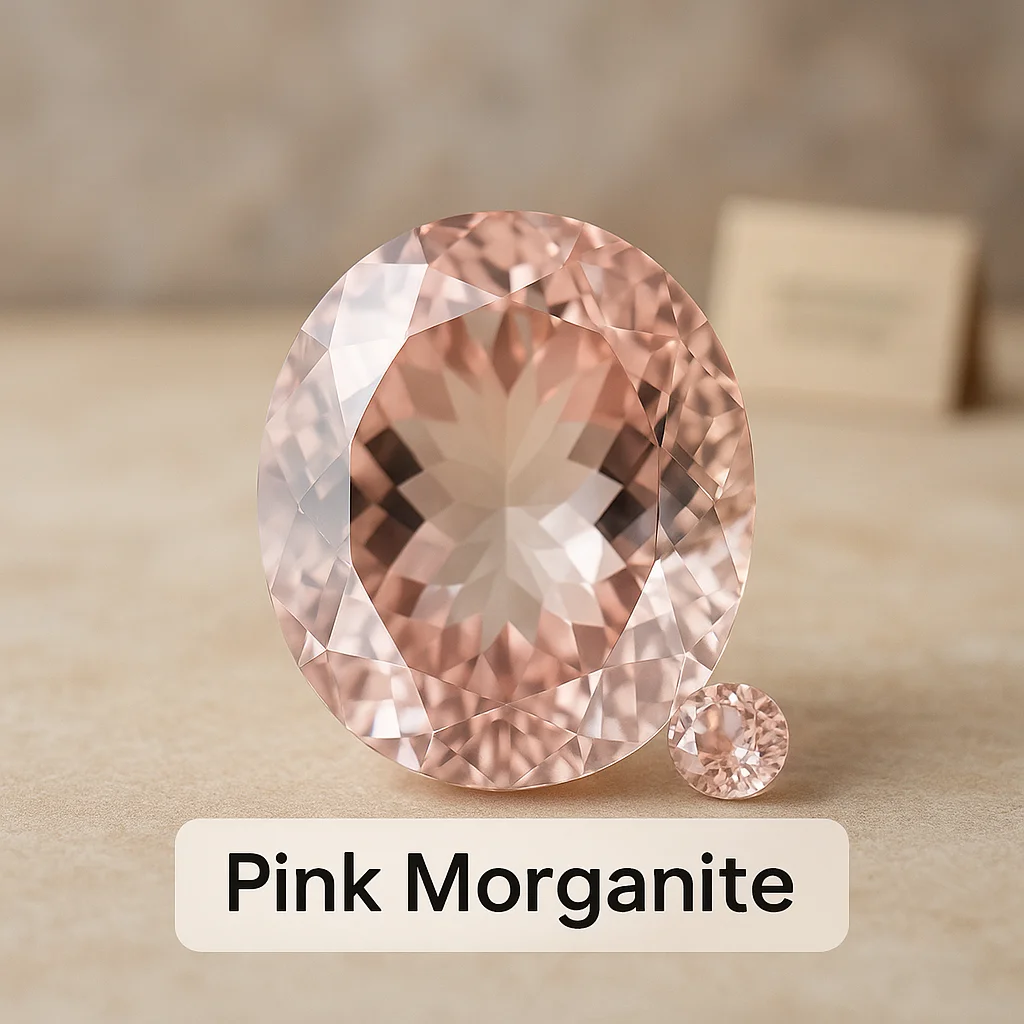
Known for its enchanting appearance, Pink Morganite is a favorite among jewelry enthusiasts and collectors alike. While it isn't officially recognized as a traditional birthstone, its growing popularity highlights its status as a versatile and cherished addition to any gemstone collection. Readers can expect to learn about Pink Morganite's appearance, properties, origin, value, care, and tips for purchasing.
This article aims to provide a beginner-friendly overview of Pink Morganite, offering insights into its geological formation, characteristics, cultural significance, and practical advice for jewelry enthusiasts. Whether you're a casual fan or a budding gemologist, you'll discover valuable information about this captivating gemstone.
🌍 Where It Comes From
Pink Morganite occurs naturally in igneous rocks, particularly within granitic pegmatites. These environments provide the necessary conditions for beryl crystals to form, including Pink Morganite, through the slow cooling of mineral-rich fluids. The presence of manganese in trace amounts is responsible for its pink coloration, distinguishing it from other beryl varieties.
While Pink Morganite can be found in various regions worldwide, notable sources include parts of Africa, South America, and Asia. Brazil has been recognized as a significant supplier, offering crystals with excellent clarity and color. Africa, particularly Madagascar, is another prominent source, known for producing high-quality and visually appealing Pink Morganites.
The origin of Pink Morganite may impact its market reputation, as certain localities are praised for particular attributes like color intensity or clarity. Understanding the geological setting and regional characteristics can help prospective buyers and collectors make informed decisions when acquiring this gemstone.
🔬 How It Forms
Pink Morganite forms within pegmatites, which are igneous rocks known for their large crystals and coarse-grained texture. The process begins with the intrusion of magma into the Earth's crust, which slowly cools and crystallizes over time. As the residual fluids become enriched with beryllium, aluminum, and other trace elements like manganese, they create favorable conditions for Pink Morganite to crystallize.
The presence of manganese ions during crystal formation is crucial, as they impart the delicate pink hue characteristic of this gem variety. It typically appears as well-formed hexagonal crystals, often found in clusters or alongside other minerals within pegmatite veins. This natural process emphasizes the geological marvel behind this gemstone's formation.
🎨 Color and Look
Pink Morganite is celebrated for its soft palette of colors, ranging from pale pink to a warm peach. This gentle color spectrum is one of its primary attractions, often described as romantic and feminine. The luster of Pink Morganite is vitreous, meaning it reflects light similarly to glass, enhancing its visual appeal and brilliance in jewelry.
The cut and polish of Pink Morganite significantly influence its appearance. A well-cut stone can maximize its color and brilliance, making it a sought-after option for elegant jewelry pieces. Clarity also plays a crucial role, as stones with fewer inclusions are preferred for their transparency and visual purity. While treatments such as heat may enhance the color of some stones, these should be disclosed to buyers for informed decision-making.
🧪 Properties That Matter
When considering Pink Morganite for jewelry, it's essential to understand its physical properties. It has a Mohs hardness of 7.5 to 8, indicating good scratch resistance suitable for everyday wear. However, care should be taken to avoid hard impacts, as its toughness—resistance to chipping—is moderate.
Pink Morganite exhibits indistinct cleavage, meaning it does not break along definite planes, reducing the risk of accidental splintering. This property makes it more durable than stones with perfect cleavage. Its luster, combined with excellent transparency, allows it to sparkle brilliantly when properly cut and polished.
These factors make Pink Morganite a suitable choice for various jewelry types, from rings to pendants. However, for daily wear, especially in rings, settings that provide protection are advisable to maintain its clarity and beauty over time.
✨ Meanings, Birthstones, and Culture
Though not a traditional birthstone, Pink Morganite is often embraced for its symbolic connotations of love, compassion, and emotional healing in modern culture. Many believe it embodies the essence of divine love, and thus, it is frequently used in romantic jewelry pieces such as engagement rings and anniversary gifts.
Culturally, Pink Morganite is associated with promoting peace and harmony, making it a popular choice for those seeking balance and emotional strength. While these meanings are not scientifically proven, they contribute to the gemstone's allure and its role in fashion and personal jewelry collections.
🧼 Care and Cleaning
To maintain Pink Morganite's beauty, it's advisable to clean it gently with warm soapy water and a soft cloth. Avoid using harsh chemicals or ultrasonic cleaners, as they might damage the stone's polish and underlying structure. It's also essential to rinse thoroughly to remove any soap residue.
Stones should be stored in a soft pouch or separate compartment to prevent scratches from harder materials. Avoid exposure to extreme temperatures or intensive sunlight, which can affect the stone's color and integrity. Regular care ensures Pink Morganite retains its lustrous appearance for years to come.
🛒 Buying Tips and What to Check
When buying Pink Morganite, focus on the four Cs: color, clarity, cut, and carat. Pink Morganite's value increases with color intensity, so deeper shades may command higher prices. Clarity is also crucial; choose stones with minimal inclusions for the best appearance. Ensure the cut maximizes the stone's sparkle and visual quality.
Consider obtaining a lab report for high-value purchases; such reports can confirm authenticity and highlight any treatments. Ask sellers about treatments and seek reputable jewelers to ensure ethical sourcing and fair pricing. Always verify the seller's return policy, and opt for platforms with reliable customer feedback and transparency.
⚠️ Real vs Fake and Common Look-Alikes
Distinguishing real Pink Morganite from imitations is vital. Natural stones may have synthetic counterparts grown in labs, which are chemically identical but lack natural origin. Imitation stones, such as glass or plastic, aim to mimic Pink Morganite's color and look but differ in composition and properties.
Common look-alikes include rose quartz, often used as a substitute due to its similar pink hue. Professional gemological testing is the most reliable method for confirming authenticity, ensuring buyers accurately identify their gemstones and avoid costly mistakes.
❓ Common Questions and Misconceptions
Is it a mineral or a rock? Pink Morganite is a mineral, part of the beryl group.
Is it a birthstone? While not a traditional birthstone, it's popular in jewelry for its symbolic and aesthetic appeal.
Will it scratch easily? With a Mohs hardness of 7.5 to 8, it is resistant to scratches but should still be handled with care.
Can it go in water? Brief exposure to water is typically safe, but prolonged contact should be avoided to prevent impact on treatments or setting.
Does color fade in sunlight? Prolonged sunlight may cause some fading; it's best to store it away from direct sunlight.
What treatments are common? Heat treatment is sometimes used to enhance color, which should be disclosed by sellers.
Is lab-grown 'fake'? Lab-grown Morganite is real but lacks natural origin. It’s distinguished from natural by its place of creation.
How do I store it safely? Store in a soft pouch, separated from harder stones, to avoid scratches.
Do inclusions always lower value? Inclusions can affect clarity and value, but some can add character; it’s the buyer's preference.
How do I pick a good one for jewelry? Look for stones with vivid color, good clarity, and quality craftsmanship in the setting.
📌 Summary
- Pink Morganite is a mineral in the beryl family, known for its gentle pink to peach hues.
- Typical colors range from pale pink to warm peach, wowing jewelry enthusiasts.
- Forms in pegmatites with manganese imparting its signature color.
- Offers good scratch resistance but requires careful wear to prevent chips.
- Heat treatment may be used to enhance color; verify with seller disclosure.
- Clean with mild soap, water, and store separately to maintain quality.
- Ideal for rings but protective settings are recommended for everyday wear.
- Similar stones include rose quartz; professional testing ensures authenticity.
- Lab reports provide assurance for high-value purchases; inquire about treatments.
- Noted for romantic symbolism; suitable for engagements and sentimental gifts.
- Found in various global localities; origin may affect market reputation.
- Prized for its blend of beauty and symbolism, Pink Morganite is a gemstone for both personal and fashionable collections.