💎 Amazonite
🪨 What It Is
Amazonite is a captivating gemstone known for its striking blue-green hues. It belongs to the feldspar mineral group and is chemically classified as a variety of microcline, a potassium-rich mineral. It's not uncommon to see amazonite featured in stunning jewelry pieces, and it captivates many with its unique color palette.
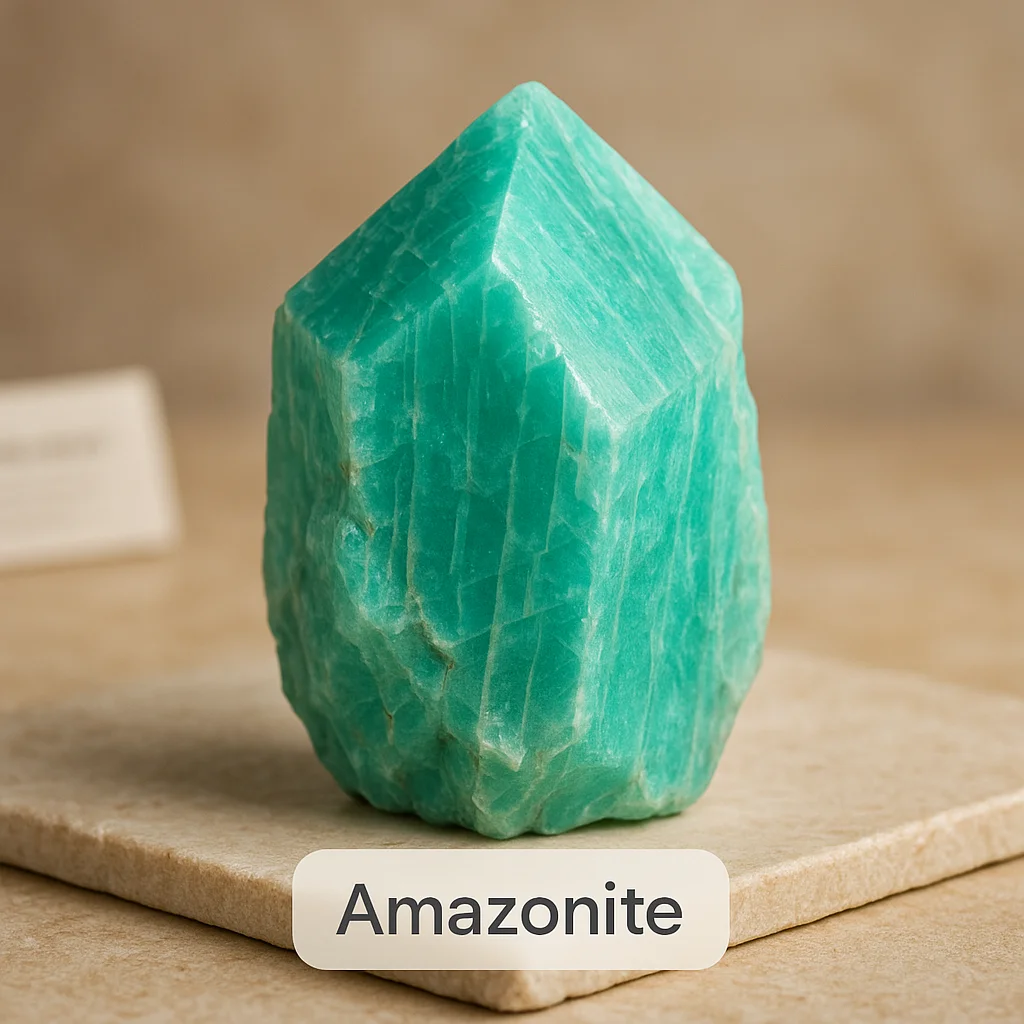
Amazonite isn't a traditional birthstone, but it remains a popular choice for those seeking something beautiful and slightly more offbeat than conventional gemstones. In this article, you'll learn about amazonite's appearance, properties, formation, origin, cultural significance, buying tips, and many more fascinating facts.
Expect to discover the reasons behind amazonite's alluring colors, how it's mined, man-made versus natural distinctions, and the best ways to care for your amazonite jewelry. Whether you're a collector, an enthusiast, or someone who just stumbled upon this vibrant stone, this guide will enrich your understanding of amazonite.
🌍 Where It Comes From
Amazonite occurs naturally in a variety of geological settings, primarily forming in igneous and metamorphic rocks. These environments provide the necessary heat and pressure conditions for the crystallization of amazonite within the Earth's crust. Pegmatites, which are coarse-grained igneous rocks, are particularly known for producing high-quality amazonite specimens.
Significant deposits of amazonite have been found in countries such as Russia, Brazil, Madagascar, and the United States. The Pikes Peak area in Colorado is one of the most famous locations for Amazonite mining, noted for producing stones with vivid colors and excellent clarity.
The origin of amazonite can influence its color and market value, with stones from certain regions being more sought after due to their reputation for exceptional quality. Collectors and jewelers often pay more for amazonite sourced from established, reputable locales known for their vibrant and clear specimens.
🔬 How It Forms
The formation of amazonite involves a fascinating interplay of geological forces. The mineral forms in environments where magma cools slowly, allowing crystals to develop over time. This slow cooling process often occurs in large, expansive rock formations known as pegmatites.
Amazonite's distinctive hue is attributed to trace amounts of lead and water within its structure, which replace some of the potassium ions typical of microcline minerals. The presence of these trace elements introduces the vibrant blue-green color that is characteristic of amazonite.
In terms of its physical form, amazonite usually crystallizes as blocky, greenish to bluish-green masses, sometimes appearing translucent to opaque. Quality specimens can also exhibit a silvery sheen, giving them a distinct, appealing luster.
🎨 Color and Look
Amazonite is celebrated for its dazzling range of teal, aqua, and light green shades. The stone's color can vary from pale green to deep blue-green, depending on the concentration of trace elements and light interactions. Lighting conditions can notably affect the appearance of amazonite, with natural light often highlighting its rich, vivid colors.
While the stone typically does not exhibit optical effects like chatoyancy or asterism, its lustrous sheen can give the impression of depths and movement within the stone. Quality amazonite stones should have minimal visible inclusions, maximizing their color and luster.
Treatments for amazonite are rare, but some lower-quality stones might undergo stabilization treatments to enhance their durability. Always inquire about potential treatments when purchasing to ensure the authenticity and quality of your amazonite.
🧪 Properties That Matter
Amazonite has a Mohs hardness rating of 6 to 6.5, indicating moderate scratch resistance. While it can withstand daily wear, care should still be taken to avoid exposure to harder substances that could scratch its surface.
The toughness of amazonite is considered fair, meaning it can chip or crack if subjected to significant force. It possesses perfect cleavage in two directions, making it susceptible to breaking along these planes if handled roughly.
The luster of amazonite is vitreous, lending it a glass-like sheen. The stone can vary in transparency from translucent to opaque, influencing how light interacts with its surface. Due to its moderate durability, amazonite is well-suited for use in pendants and earrings, although rings and bracelets should be worn with more caution.
✨ Meanings, Birthstones, and Culture
Amazonite is traditionally associated with calmness, communication, and harmony. Its serene blue-green colors are thought to invite balance and peace, which is why it often features in pieces of jewelry meant to inspire tranquility.
While not an official birthstone, amazonite's soothing presence makes it a popular choice for anyone looking for a meaningful alternative to traditional stones. In folklore, it has been linked to the legendary Amazons, thought to wear it for courage and strength.
Modern jewelry traditions appreciate amazonite for its versatility and compelling color, which complements various designs and metal settings. It's embraced for its aesthetic rather than any substantiated metaphysical properties.
🧼 Care and Cleaning
Caring for amazonite involves gentle cleaning with mild soap and lukewarm water. Use a soft cloth to wipe the stone, ensuring no abrasive materials or harsh chemicals, which could damage its finish, are used.
Amazonite should be protected from extreme heat, sudden temperature changes, and prolonged soaking, as these conditions could affect its stability. Always handle the stone with care to avoid chipping or cracking, particularly if it has inclusions that could create weak points.
When storing amazonite, keep it separate from harder gems and metals to prevent scratching. A soft pouch or a lined jewelry box compartment is ideal for safeguarding its polished finish and vibrant color.
🛒 Buying Tips and What to Check
Amazonite's value depends on factors like color, clarity, cut, and carat size. Stones with vibrant color, minimal inclusions, and expert cutting typically command higher prices. Origin may also play a role, with certain regions considered more prestigious.
When purchasing amazonite, it's essential to ask about any treatments and request lab reports for high-value items. These reports can verify authenticity and provide details on any enhancements the stone might have undergone.
Online buyers should check for high-quality photographs, clear return policies, and seller reputation. Ensuring full disclosure on stone characteristics and origins helps safeguard your investment and ensures you know what you're purchasing.
⚠️ Real vs Fake and Common Look-Alikes
Amazonite is often compared to other blue-green stones like turquoise, chrysocolla, and aquamarine. These stones can appear similar, but their compositions and properties vary, making professional identification crucial.
Natural vs. synthetic amazonite differentiation requires expertise, as synthetic versions are created to mimic natural qualities. Additionally, imitations such as glass or plastic may be marketed as amazonite, so diligence is needed to spot these copies.
Assembled stones, like doublets or triplets, contain layers of natural and synthetic or imitation materials. Only with proper gemological tools can definite identification be made, reinforcing the importance of consulting professionals.
❓ Common Questions and Misconceptions
Is it a mineral or a rock? Amazonite is a mineral, a variety of microcline feldspar.
Is it a birthstone? Amazonite is not a traditional birthstone but is still appreciated widely in modern jewelry.
Will it scratch easily? With a Mohs hardness of 6 to 6.5, it's scratch-resistant but not impervious; handle with care.
Can it go in water? Yes, but avoid prolonged soaking, especially if the stone has observed treatment.
Does color fade in sunlight? Prolonged exposure to direct sunlight may cause fading; store away from such conditions.
What treatments are common? Stabilization is sometimes performed, though treatments are generally rare.
Is lab-grown 'fake'? Lab-grown amazonite is not 'fake,' but such distinctions must be clearly disclosed to buyers.
How do I store it safely? Store amazonite separately, in soft-lined jewelry boxes or pouches, to avoid scratches.
Do inclusions always lower value? Inclusions can affect value, but clarity isn't the sole determinant; color and cut also play crucial roles.
How do I pick a good one for jewelry? Prioritize vivid color, minimal inclusions, and consider the stone's intended use when selecting amazonite.
📌 Summary
- Amazonite is a fascinating variety of microcline feldspar.
- It typically showcases vibrant blue-green hues.
- Forms in igneous and metamorphic settings, often in pegmatites.
- Withstands moderate wear but requires careful handling due to its cleavage.
- Treatments are rare; inquire for high-value stones.
- Use gentle soap and water for cleaning; handle gently.
- Best for pendants and earrings; rings need careful wearing.
- Look-alikes include turquoise and chrysocolla; professional testing is essential.
- Lab reports verify authenticity and treatment disclosures.
- Buying tips include checking color, clarity, origin, and seller reputation.
- Offers a calming cultural symbolism, not substantiated by science.
- Amazonite invites admiration with its serene beauty and enchanting colors.