💎 Chrysocolla
🪨 What It Is
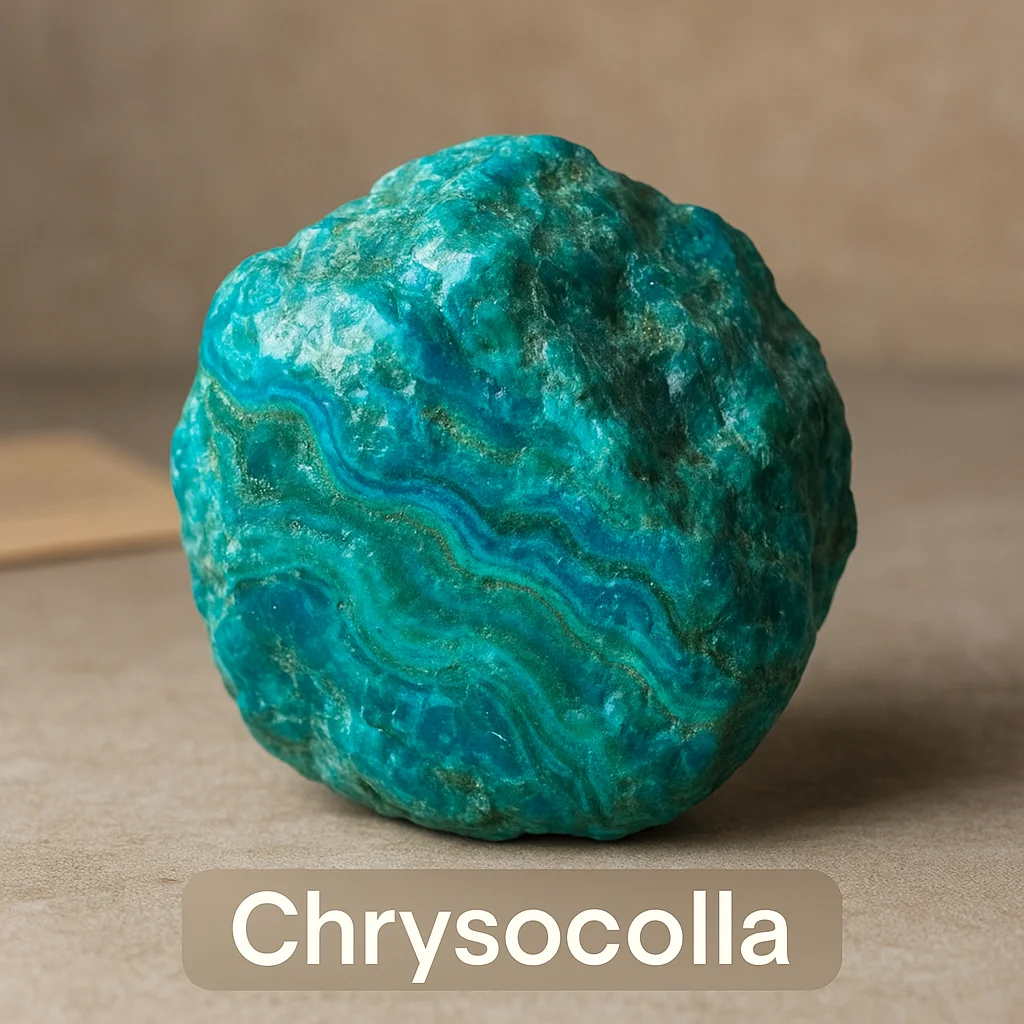
Chrysocolla is a captivating mineral widely celebrated for its eye-catching blue and green hues. As a secondary mineral, it forms in the oxide zones of copper ore deposits, belonging to the silicate mineral group. While it is not classified as a traditional gemstone, chrysocolla is popular in the world of jewelry for its vibrant colors and attractive patterns.
The stone is not recognized as a traditional birthstone, but its striking appearance makes it a favorite among collectors and jewelry enthusiasts. This article will delve into the fascinating aspects of chrysocolla, including its appearance, properties, origins, value, care, and expert buying tips.
Beginners will find chrysocolla intriguing not only for its stunning colors but also for its cultural significance and widespread use in jewelry. By understanding the stone's unique characteristics, potential buyers can make informed decisions when purchasing chrysocolla items.
🌍 Where It Comes From
Chrysocolla's vibrant colors are a result of its formation in specific geological settings, particularly areas rich in copper deposits. The mineral often forms in the oxide zones of copper ore deposits, where it can be found alongside other secondary copper minerals like azurite and malachite.
This beautiful mineral can be sourced from various regions worldwide. Some well-known locations include parts of Africa, such as the Democratic Republic of the Congo and Zambia, as well as notable sources in the United States, particularly Arizona and New Mexico. These regions are renowned for producing specimens with intense coloration and unique patterns.
The origin of chrysocolla can affect its appearance and market reputation. For example, specimens from certain locations may exhibit more vibrant or unique color patterns, influencing their desirability and value among collectors and jewelry enthusiasts.
🔬 How It Forms
Chrysocolla typically forms as a secondary mineral in the presence of copper deposits. Its genesis involves chemical processes that occur when copper-bearing solutions interact with silica-rich rocks. Over time, this leads to the deposition of chrysocolla in the fractures and cavities of these rocks, resulting in its captivating blue and green colors.
The vibrant hues of chrysocolla can be attributed to the presence of copper. Copper acts as a chromophore, a trace element responsible for the mineral's intense blue and green colors. Variations in copper content and conditions of formation can lead to different shades and patterns.
Crystals of chrysocolla are rare, and the mineral is most commonly found in botryoidal (grape-like) or massive forms. These formations, coupled with its striking colors, make chrysocolla a highly sought-after material for ornamental and jewelry purposes.
🎨 Color and Look
Chrysocolla is primarily known for its rich blue and green colors, often reminiscent of tropical seas. These colors can vary widely in intensity, from light teal and turquoise to deep azure and rich green. The pattern and distribution of color within a single specimen can create captivating and unique visual effects.
The stone's appearance is further enhanced by its surface texture, which may display a vitreous (glassy) to silky luster. Chrysocolla's aesthetic appeal is largely influenced by its cut and polish, which can enhance its natural beauty by revealing intricate patterns and colors.
While chrysocolla is generally untreated, its porous nature means it can sometimes be stabilized with resins to improve durability. This practice, when disclosed, is common for softer stones and does not diminish its value when appropriately handled and used.
🧪 Properties That Matter
Chrysocolla's Mohs hardness ranges from 2.5 to 3.5, indicating its susceptibility to scratches compared to harder gemstones like quartz. However, its distinct color and appeal often overshadow its softness, making it a popular choice for pendants and earrings rather than rings.
In terms of toughness, chrysocolla is considered brittle, meaning it can chip or fracture if handled roughly. This is important to consider for jewelry pieces exposed to regular wear and tear.
The mineral typically does not exhibit cleavage, meaning it breaks rather than cleaves cleanly. Its fracture is usually conchoidal, resembling the curves of a shell. Despite its delicate nature, chrysocolla's striking visual appeal often outweighs these considerations for collectors and artisans.
✨ Meanings, Birthstones, and Culture
In various cultures, chrysocolla is traditionally associated with tranquility and communication. While these associations are more reflective of cultural symbolism rather than scientific validation, many people value chrysocolla for these traditional meanings.
The stone is not linked to any particular birth month but is often included in folklore and mythologies due to its vivid colorations reminiscent of the vibrant colors found in nature. Its aesthetic appeal makes it a popular choice in modern jewelry design, allowing wearers to carry a piece of its cultural and natural beauty with them.
Chrysocolla's traditional associations with creativity and emotional balance add to its allure as a stone of choice for those seeking symbolic connections in their gemstone selections.
🧼 Care and Cleaning
Given its moderate softness, chrysocolla requires careful handling to maintain its beauty. It is advisable to clean chrysocolla jewelry using gentle soap and lukewarm water, followed by rinsing and drying with a soft cloth. Avoid harsh chemicals, as they can damage the stone's surface.
To protect chrysocolla from potential damage, avoid exposing it to excessive heat or sudden temperature changes. These conditions can cause thermal shock, leading to fracture or discoloration, especially for porous stones like chrysocolla.
When storing chrysocolla, it is wise to keep it away from harder materials that might scratch its surface. Use soft cloth pouches or individual compartments in a jewelry box to minimize contact and potential damage.
🛒 Buying Tips and What to Check
When considering chrysocolla for purchase, several factors can influence its price and quality. These include the stone's color intensity, clarity, cut, and size. Stones with vivid colors and minimal inclusions often command higher prices.
Prospective buyers should always ask about any treatments the stone may have undergone. High-value chrysocolla pieces may come with a lab report, which provides crucial information on the stone's authenticity but should not be solely relied upon for appraisals.
For online purchases, ensure the seller provides clear photos, a favorable return policy, and full disclosure of stone treatments or enhancements. A reputable seller is essential for ensuring you receive a quality chrysocolla product.
⚠️ Real vs Fake and Common Look-Alikes
Navigating the world of chrysocolla involves understanding the distinctions between natural, synthetic, and imitation stones. Natural chrysocolla occurs naturally, while synthetic versions are grown in labs, mimicking the stone's chemical composition.
Imitations made from materials like glass or plastic may mimic chrysocolla's appearance but lack its unique properties. Doublets and triplets, assembled from layers of materials, are crafted to enhance appearance and durability but should be disclosed upon sale.
Spectrolite, turquoise, and variscite are common look-alikes for chrysocolla, often causing confusion. Identifying chrysocolla accurately typically requires professional gemological testing rather than at-home assessments.
❓ Common Questions and Misconceptions
Is it a mineral or a rock? Chrysocolla is a mineral.
Is it a birthstone? No, but it is popular in jewelry for its beauty.
Will it scratch easily? Yes, chrysocolla is relatively soft with a Mohs hardness of 2.5-3.5.
Can it go in water? Occasional exposure is fine, but prolonged soaking should be avoided.
Does color fade in sunlight? Chrysocolla can fade over prolonged exposure to sunlight.
What treatments are common? Stabilization with resins is a known treatment for porous stones.
Is lab-grown 'fake'? Lab-grown refers to synthetic counterparts, not fake, as they share chemical properties with natural stones.
How do I store it safely? Store separately in soft pouches to avoid scratches.
Do inclusions always lower value? Not always; visible inclusions might decrease value, but patterns may add character.
How do I pick a good one for jewelry? Look for vibrant colors, minimal inclusions, and a reputable source.
📌 Summary
- Chrysocolla is a captivating mineral known for its blue and green colors.
- Typical colors range from light teal to deep azure and green.
- It forms as a secondary mineral in the presence of copper deposits.
- Soft with a Mohs hardness of 2.5 to 3.5, best for pendants and earrings.
- Common treatments include resin stabilization for durability.
- Use gentle cleaning methods; store separately to avoid damage.
- Jewelry best for occasional wear due to its softness.
- Common look-alikes include turquoise and variscite.
- Authenticity verified through professional gemological testing.
- Buying tips include checking for color intensity and reputable sources.
- Cultural associations include tranquility and creativity.
- Chrysocolla's vivid colors make it a desirable option for gemstone collectors.