💎 Fluorite
🪨 What It Is
Fluorite is a colorful mineral that is often used as a gemstone. It is known for its vibrant hues and intriguing crystal formations. Unlike precious gemstones like diamonds or rubies, fluorite is a more accessible and economical choice for collectors and jewelry enthusiasts, making it popular among those looking to explore the beauty of minerals.
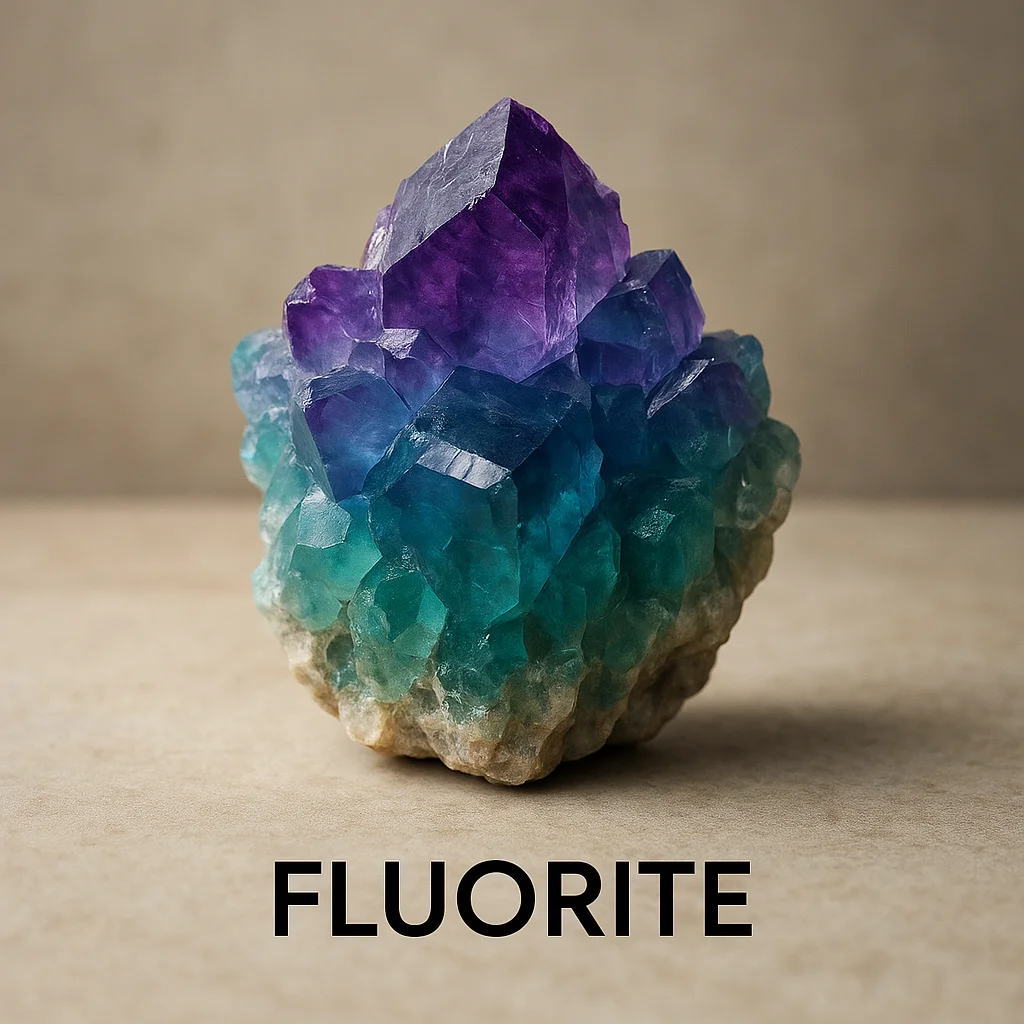
This mineral is highly regarded for its variety of colors, including purple, green, yellow, blue, and even colorless forms. The color of fluorite can range dramatically, making it a favorite among gemstone collectors and those interested in unique and eye-catching jewelry.
In this article, you'll learn about the geological origins of fluorite, its unique formation process, its physical properties, and tips for purchasing and caring for fluorite gemstones. While not a traditional birthstone, fluorite holds cultural significance and is beloved for its dazzling appearance.
🌍 Where It Comes From
Fluorite appears in a variety of geological settings, primarily forming in hydrothermal veins. These veins can be found in sedimentary rocks where hot, mineral-rich water circulates through cracks, depositing minerals like fluorite as it cools down.
This fascinating mineral can also be found in igneous and metamorphic rocks. Its occurrence in these diverse settings makes it widespread, with notable deposits found in countries such as China, Mexico, and parts of Africa. These diverse locations contribute to the wide range of colors and qualities seen in fluorite specimens.
The origin of fluorite can impact its color and overall quality. Some regions are particularly renowned for producing shades or crystal formations that are highly prized among collectors. However, the beauty of fluorite can be appreciated regardless of its geographic origin.
🔬 How It Forms
Fluorite forms when mineral-rich hot water moves through cavities and cracks in rocks. As the fluid cools, it leaves behind fluorite crystals. These crystals tend to form in cubic shapes, which is a hallmark of the mineral and part of what makes it visually appealing.
The colors of fluorite are influenced by minor impurities and defects in its crystal structure. For example, the presence of trace elements like iron can cause various shades of color, adding to the mineral's aesthetic value. This unique color interplay occurs at a microscopic level during the crystal growth process.
Fluorite often grows well-formed cubic crystals, which can range from small to impressively large sizes. These crystals can be transparent or translucent and often exhibit a glassy luster, making them attractive in both natural and cut forms.
🎨 Color and Look
Fluorite is celebrated for its diverse color palette. It can be found in nearly every color of the spectrum, including purple, green, yellow, blue, and colorless varieties. This variability in color is due to the presence of different impurities during its formation.
Lighting plays a significant role in how fluorite appears. Under different lighting conditions, some fluorite specimens exhibit a change in color intensity, highlighting their natural beauty. The way fluorite is cut and polished can also enhance its appearance, with skilled gem cutters bringing out its best features.
Some fluorite is treated to enhance color and clarity. It is essential to be aware that treatments like heat can be used to improve the visual quality of certain specimens. However, untreated fluorite remains highly valued for its natural beauty.
🧪 Properties That Matter
Fluorite has a Mohs hardness of about 4, meaning it is quite soft compared to many gemstones. This softness makes it susceptible to scratches and best suited for jewelry that isn't subject to daily wear, such as pendants or earrings.
The cleavage of fluorite is perfect in four directions, which means it can break easily along these planes. This characteristic needs consideration when cutting or setting fluorite in jewelry to prevent accidental damage.
Fluorite's luster is vitreous, providing a shiny and glass-like appearance, while its transparency can range from transparent to translucent. This variety allows for flexibility in design and application, beyond jewelry, in collecting and decorative use.
✨ Meanings, Birthstones, and Culture
Though not traditional birthstones, fluorites are often associated with calm and balance in cultural folklore. Various traditions have linked fluorite to focus and protection, reflecting deep ties to nature and spirituality.
In modern jewelry, fluorite is celebrated for its beauty and unique characteristics rather than esoteric meanings. It is often chosen for its aesthetic appeal and versatility in design.
The gemstone is embraced by various cultures for its radiant appearance and is commonly used in crafting unique and artisanal pieces. This popularity, in turn, keeps it in high demand for jewelry makers and collectors alike.
🧼 Care and Cleaning
Fluorite should be cleaned gently with mild soap and water. Avoid harsh chemicals that could damage the stone. A soft cloth can be used to gently dry it, reducing the risk of scratching.
Exposure to high heat or sudden temperature changes can cause fluorite to crack or change in color. Therefore, it is advisable to keep it away from prolonged exposure to sunlight and harsh environments.
When storing fluorite, it is essential to keep it separate from harder gemstones or materials that may scratch its surface. Soft pouches or individual compartments in jewelry boxes provide ideal storage solutions.
🛒 Buying Tips and What to Check
When buying fluorite, factors like color, clarity, and cut significantly affect its value. Deep, even colors and high clarity are generally more desirable.
It's a good idea to ask about any treatments the stone may have undergone. Reputable sellers should disclose this information, and obtaining a gemological report for high-value pieces can provide assurance about authenticity.
For online purchases, look for high-quality images, consider the seller's return policy and reputation, and ensure full disclosure of the stone's properties. These steps help in making an informed purchase.
⚠️ Real vs Fake and Common Look-Alikes
Fluorite can be distinguished from synthetic or imitation stones by its unique properties and the presence of natural inclusions, which are often absent in artificial versions.
Common look-alikes include quartz and lower-quality glass, which might resemble fluorite in appearance but differ in hardness and structure. Natural fluorite remains valued for its authenticity and beauty.
Professional testing by a gemologist is essential to confirm authenticity and distinguish between natural and synthetic samples. This ensures that you're investing in a genuine piece of fluorite.
❓ Common Questions and Misconceptions
Is fluorite a mineral or a rock? It's a mineral.
Is fluorite a birthstone? Traditionally, no, but it holds cultural significance.
Will fluorite scratch easily? Yes, due to its low hardness.
Can fluorite go in water? Briefly, yes, but don't soak it for long.
Does fluorite's color fade in sunlight? Yes, prolonged exposure can cause fading.
What treatments are common with fluorite? Heat treatments are sometimes used to enhance color.
Is lab-grown fluorite 'fake'? It's synthetic but can be identical to natural fluorite.
How do I store fluorite safely? Soft pouches or lined jewelry boxes help prevent scratches.
Do inclusions always lower value? Not always; some add character, but major inclusions typically reduce value.
How do I pick a good piece of fluorite for jewelry? Look for even color, good clarity, and a quality cut.
📌 Summary
- Fluorite is a colorful mineral.
- Common colors include purple, green, yellow, blue, and colorless.
- Forms in hydrothermal veins from mineral-rich water.
- Mohs hardness of 4; suitable for occasional wear.
- Commonly treated to enhance color; inquire about treatments.
- Clean with mild soap and water; store in soft pouches.
- Ideal for pendants and earrings, less for rings.
- Look-alikes include quartz and glass.
- Authenticity confirmed through professional testing.
- Buying tips include checking for color, clarity, cut, and treatment history.
- Cultural associations, but not a birthstone.
- Remember: fluorite's beauty lies in its vibrant colors and crystal form.