💎 Hematite
🪨 What It Is
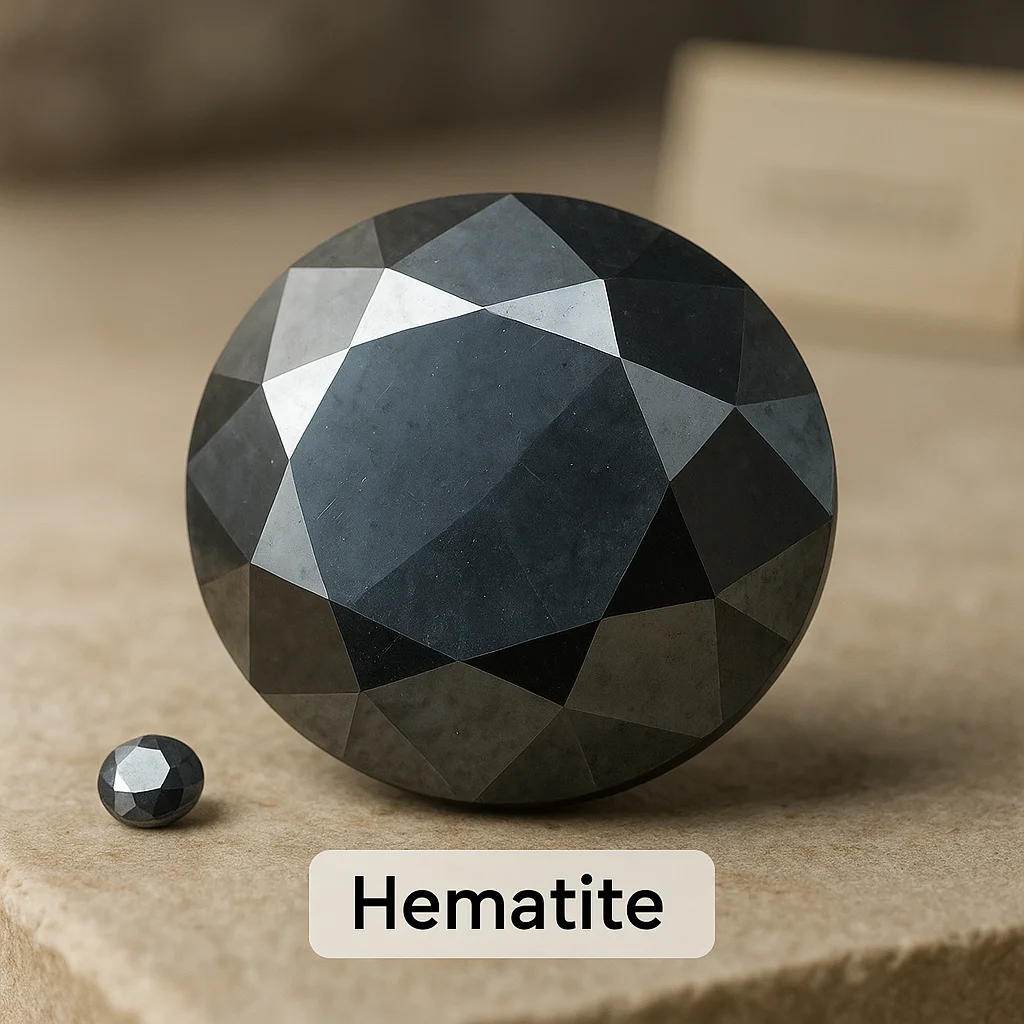
Hematite is a common mineral known for its metallic luster and striking dark gray to black appearance. Chemically, it is an iron oxide with the formula Fe₂O₃. While it’s not typically regarded as a gemstone, hematite is popular in jewelry and decorative objects due to its unique look. Many people appreciate it for its aesthetic qualities rather than rarity or gemstone status.
This mineral has historical significance and has been used by various cultures for thousands of years, often in powdered form as a pigment. In contemporary times, it's also favored in jewelry, used to make beads, cabochons, and figurines. As you learn more about hematite, you'll explore its appearance, formation, sources, care, and much more.
In this article, you'll gain a comprehensive understanding of hematite’s properties, cleaning and care tips, cultural significance, and how to identify and purchase genuine hematite jewelry. This beginner-friendly exploration will help you appreciate what makes hematite so appealing both as a collectible and a decorative mineral.
🌍 Where It Comes From
Hematite occurs naturally in a variety of geologic environments, making it one of the more widespread minerals on Earth. It primarily forms in sedimentary settings, such as in the form of banded iron formations, but can also be found in igneous and metamorphic rocks. This versatility in formation environments contributes to its prevalence worldwide.
Significant deposits of hematite are found across various continents, with notable locations being parts of Brazil, Australia, and Canada. These regions are known for producing high-quality hematite with desirable luster and minimal impurities. The source of hematite can influence its appearance and, in some cases, affect its market value due to characteristics like purity and color consistency.
The origin of hematite is significant because it can indicate certain attributes such as size and the presence of other minerals. For instance, hematite from Brazil is often highly polished and used in making decorative items and jewelry, appreciated not only for its beauty but also for its cultural significance in regions where it is mined.
🔬 How It Forms
The formation of hematite involves several geological processes. One of the most common ways hematite forms is through the precipitation of iron from water solutions. Over long periods, sedimentary processes can lead to the accumulation and compaction of these precipitates, forming large deposits rich in hematite.
In igneous and metamorphic contexts, hematite may form through the alteration of iron-rich minerals in the presence of oxygen. The exposure to oxygen during these transformations contributes to the rust-like, metallic sheen for which hematite is known. This mineral can also occur as secondary mineral deposits in areas with hydrothermal activity.
Hematite can present itself in various forms, from massive blocks to botryoidal and even crystal habits. However, when used in jewelry, hematite is most frequently seen in its massive form, which allows for easy crafting into smooth beads or carving into artistic shapes.
🎨 Color and Look
Hematite is typically dark gray or black with a characteristic metallic luster that sets it apart from many other minerals. It is opaque, meaning that light doesn’t pass through it, which enhances its glossy, reflective quality when polished. The reflective quality makes hematite a striking choice for jewelry and decorative objects.
The surface of hematite can be influenced by the quality of its cut and polish. A well-polished piece of hematite will have a mirror-like surface that is highly appealing. In some instances, it may be subjected to mild heat treatment or coatings to enhance its natural luster.
Though natural hematite boasts a distinctive color, it can be imitated with man-made materials such as glass or ceramics. The imitation may be colored to resemble natural hematite but lacks its dense, heavy feel. Understanding this difference is crucial for consumers interested in genuine hematite items.
🧪 Properties That Matter
Hematite properties include a Mohs hardness of 5.5 to 6.5. While not too hard, it's harder than some everyday materials, providing moderate scratch resistance. However, hematite is quite brittle, meaning it can chip if hit strongly.
Despite being brittle, hematite does not have cleavage, which means it doesn't break along flat planes of weakness. Instead, it exhibits irregular fracture patterns. Its metallic luster and opacity contribute to its popularity, making it a good option for pendants that are protected from rough wear.
In practical terms, the density of hematite, which makes it heavier than many other stones of similar size, can be an attractive attribute. This heft is a pointer to the genuine nature of the piece, differentiating it from lighter imitators.
✨ Meanings, Birthstones, and Culture
Throughout history, hematite has been traditionally associated with various symbolic meanings. In different cultures, it has been used in talismans, believed to have grounding and protective properties. Such symbolism is cultural and adds to its allure, although these meanings are not scientifically substantiated.
Hematite is not specifically associated with any birthstone month in the contemporary sense of birthstone designations. It does, however, have historical interests linked to various zodiac signs, often incorporated into zodiacal talismans.
Modern jewelry tradition uses hematite mainly for its aesthetic appeal. Its reflective quality makes it a unique material in jewelry pieces, adding an antique or modern taste depending on the style. While often used in bead form, it’s also crafted into cabochons that are distinct and stylish.
🧼 Care and Cleaning
Proper care is essential to keep hematite looking its best. Cleaning should be done using warm water and mild soap, avoiding harsh chemicals that might damage the stone’s polish. To clean, use a soft cloth and ensure the stone is completely dry before storing.
Avoid exposing hematite to significant temperature changes, as this could lead to cracking. Care should also be taken to store it in a separate cloth pouch or jewelry bag to prevent surface scratches, especially when among harder stones or metals.
While hematite is relatively low-maintenance, being careful during wear and ensuring it doesn't encounter hard knocks helps to maintain its condition and beauty. Regular checks on your hematite jewelry can help prevent accidental damage.
🛒 Buying Tips and What to Check
When buying hematite, color, and luster are two key aspects to consider. Genuine hematite should have a consistent dark metallic color and a reflective, mirror-like quality when polished. Moreover, prospective buyers should ensure they ask about any treatments that might have been used.
For high-value purchases, requesting a gemological report might help confirm authenticity, but it’s also useful to rely on buying from reputable retailers. Trusted sellers ensure item descriptions are accurate, and any treatments or enhancements are disclosed.
When shopping online, review multiple images of the item and read the seller’s return policy carefully. Always check the seller's ratings and feedback to gauge reliability, and look for consumer-friendly return policies, which offer protection if the item doesn't meet expectations.
⚠️ Real vs Fake and Common Look-Alikes
Identifying hematite versus synthetic or imitation stones is crucial. While natural hematite has a heavy, metallic feel, synthetics are often lighter and may not share the same luster. Glass and plastic imitations can replicate the appearance but not the physical feel of hematite.
Synthetic hematite is often used in the market as an affordable alternative, especially since it mimics the natural appearance without the hefty weight. Glass and ceramic imitators may also be common because these materials can be crafted to look like hematite.
For accurate distinction, professional gemological testing is advisable. Unsupervised home tests can lead to damage or incorrect conclusions, so it’s best to consult an expert for precise identification and avoid risks linked to guessing.
❓ Common Questions and Misconceptions
Is it a mineral or a rock? Hematite is a mineral, specifically an iron oxide.
Is it a birthstone? Hematite is not traditionally a birthstone.
Will it scratch easily? It can scratch with harder materials since its Mohs hardness is 5.5 to 6.5.
Can it go in water? Short exposure to water is fine, but prolonged soaking is not recommended.
Does color fade in sunlight? Hematite's color does not fade due to sunlight.
What treatments are common? Occasionally, coatings are applied to enhance luster.
Is lab-grown 'fake'? Lab-grown hematite is not natural but serves as a close imitation.
How do I store it safely? Store separately in soft pouches to avoid scratches.
Do inclusions always lower value? Inclusions are not typically a consideration for hematite because it is opaque.
How do I pick a good one for jewelry? Look for consistency in color, symmetry in cut, and strong luster.
📌 Summary
- Hematite is a mineral known for its metallic luster and dark color.
- Typical colors are dark gray to black with a mirror-like shine.
- Forms through sedimentary and hydrothermal processes.
- Moderate hardness, brittle toughness, best as beads or pendants.
- Be aware of treatments for enhancing luster.
- Clean with water and mild soap, avoid harsh chemicals, store safely.
- Well suited for necklaces, pendants, and rings with protection.
- Common imitations include glass and plastics.
- Authenticity verified through professional testing.
- Check for color consistency, luster, and reputable seller information.
- Not a birthstone but has cultural significance in talismans.
- Appreciated for its unique appearance and historical use.