💎 Rhyolite
🪨 What It Is
Rhyolite is a type of volcanic rock, primarily composed of volcanic glass and fine-grained minerals. It is not classified as a mineral but as an igneous rock due to its formation from cooled lava or magma. Its fine-grained texture results from the rapid cooling of lava on or just beneath the Earth's surface.
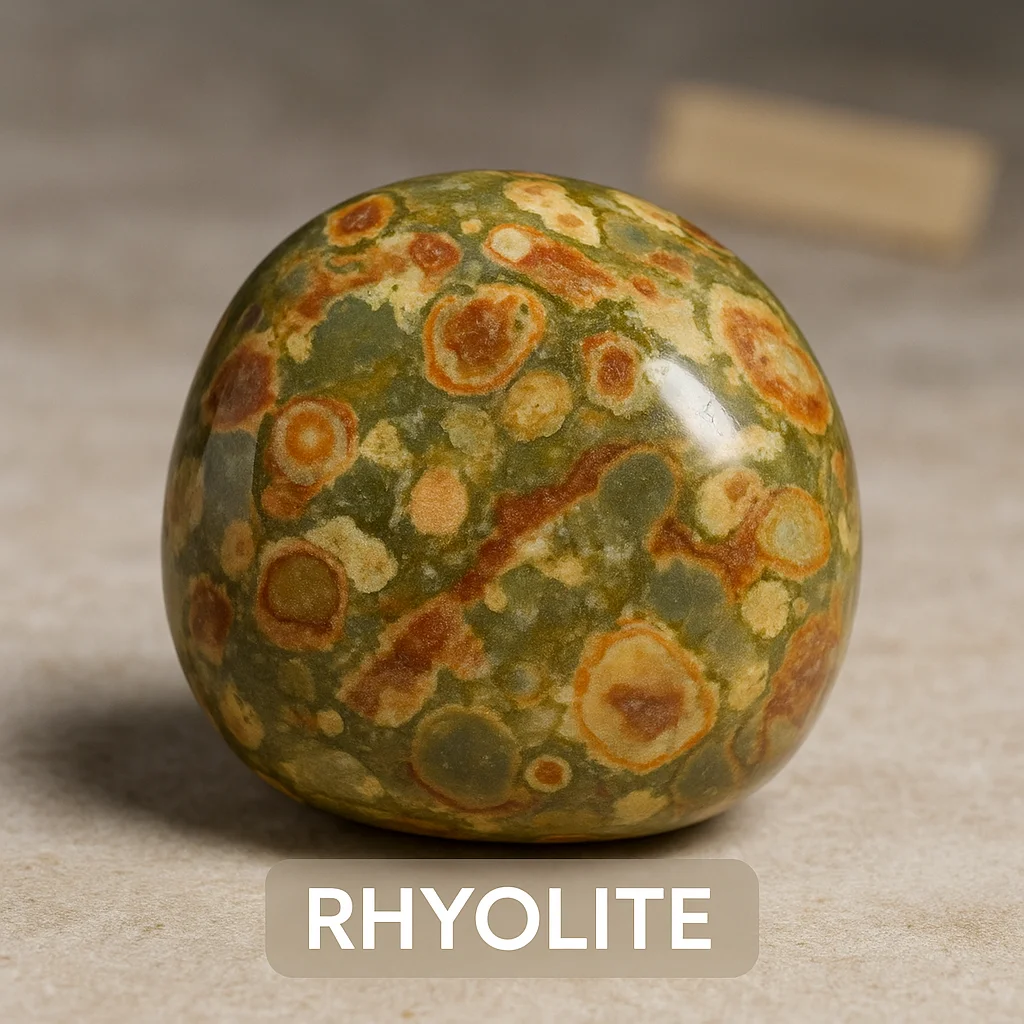
This rock is not typically used as a birthstone like well-known gemstones such as diamonds or sapphires. However, its unique patterns and color variations make it popular among collectors and jewelry enthusiasts.
In this article, you will learn about the appearance, properties, origins, care, and tips for buying rhyolite. Understanding these aspects can help you appreciate its value and make informed decisions when purchasing rhyolite pieces.
🌍 Where It Comes From
Rhyolite is generally found in areas of volcanic activity. It is an extrusive igneous rock, meaning it forms at or near the surface of the Earth as a result of volcanic eruption. The rapid cooling of lava prevents large crystals from forming, giving rhyolite its fine-grained appearance.
Rhyolite can be found in various parts of the world, including regions in North America, Europe, and Asia. The specific location of formation can influence the coloration and characteristics of the rock, making certain regions more desirable for collectors.
The origin of rhyolite can impact its market reputation. Some sources are known for producing rhyolite with particularly striking patterns, which can increase the stone's desirability and value. Despite its rock classification, rhyolite often contains unique mineral inclusions, which can further enhance its appeal.
🔬 How It Forms
The formation of rhyolite is tied to volcanic activity. When magma with high silica content erupts from a volcano, it cools rapidly and solidifies to form rhyolite. This rapid cooling process prevents the growth of large crystals, leading to the rock's fine texture.
Over time, the cooling lava can incorporate various minerals, contributing to the wide range of colors and patterns observed in rhyolite. The presence of trace elements during formation can lead to unique colorations, often in shades of white, gray, pink, or red.
Rhyolite may also show flow banding, a feature caused by the alignment of mineral grains during the flow of lava. This contributes to its visually intriguing appearance, making it a popular choice for ornamental use.
🎨 Color and Look
Rhyolite is best known for its diverse color palette and interesting patterns. The colors of rhyolite can range from light hues, such as white and pale yellow, to deeper shades like green, red, and brown. These variations are influenced by the types of minerals present and their distribution in the rock.
The stone often exhibits unique banding or flecks, which adds to its aesthetic appeal. The surface finish—whether polished or left natural—can significantly enhance its visual characteristics. Cut and polish play a crucial role in showcasing rhyolite's natural beauty.
Treatment of rhyolite is uncommon. However, some enhanced versions may involve stabilization or impregnation with resins to improve durability. As with any stone, it's recommended to inquire about treatments to ensure transparency in purchasing decisions.
🧪 Properties That Matter
In terms of hardness, rhyolite ranks around 6–7 on the Mohs scale. This rating indicates that it is moderately resistant to scratching, making it suitable for a variety of jewelry applications. However, its toughness, which refers to the ability to resist chipping or breaking, is considered fair to good.
Rhyolite does not have cleavage, meaning it does not split easily along specific planes when struck. Instead, it tends to fracture in an irregular manner. This property contributes to its ability to be shaped into cabochons or other decorative forms.
The luster of rhyolite is typically dull to vitreous, depending on the presence of volcanic glass or other minerals. These properties, combined with its color range, make rhyolite a versatile rock for creating distinctive jewelry or ornamental pieces.
✨ Meanings, Birthstones, and Culture
In cultural contexts, rhyolite is often associated with qualities of creativity and change, drawing parallels to its origins in volcanic processes. Though not a traditional birthstone, its unique characteristics make it a noteworthy option for those seeking an unconventional gemstone.
Rhyolite's patterns and colors often remind wearers of nature and harmony, aligning it with themes of tranquility and balance in some cultural interpretations. Nevertheless, these associations remain subjective and should be taken as traditional interpretations rather than proven effects.
While it doesn't hold traditional birthstone status, rhyolite may still be used in customized jewelry settings for special occasions, highlighting its uniqueness and natural beauty.
🧼 Care and Cleaning
Proper care and cleaning of rhyolite are essential for maintaining its appearance and longevity. It is generally safe to clean with mild soap and water. Use a soft cloth to gently remove any dirt or residues, ensuring not to apply excessive pressure that could cause damage.
Avoid exposing rhyolite to harsh chemicals or extreme temperature changes, as they can affect the rock's integrity. Long periods of soaking should also be avoided to prevent any impact on its structure or surface.
For storage, keeping rhyolite in a soft pouch or separate compartment will help prevent scratches from contact with harder gemstones or metals. Regular maintenance will ensure that rhyolite remains an attractive addition to any collection.
🛒 Buying Tips and What to Check
When purchasing rhyolite, several factors can influence its price and quality, including color, clarity, and cut. Patterns and the origin of the stone are also significant contributors to its value. Larger, well-formed specimens with striking patterns may command higher prices.
Inquiring about treatments is crucial. If rhyolite has undergone any enhancement, such as stabilization, ensure this information is disclosed. Lab reports can be beneficial for high-value pieces, although they primarily attest to treatment and origin rather than gemological attributes.
For online purchases, prioritize sellers with good reputations, clear photos, and a fair return policy. Checklists that include treatment disclosure and authenticity assurances can aid in making informed buying decisions.
⚠️ Real vs Fake and Common Look-Alikes
When considering rhyolite, it's important to differentiate between natural and synthetic options. Natural rhyolite forms through volcanic processes, while synthetic varieties may be available as imitations or composites, such as doublets or triplets.
Rhyolite can be confused with other visually similar stones, such as jasper or certain types of agate. Typically, these stones can be distinguished by their specific mineral compositions and structure. Professional testing should always be sought for accurate identification.
It is prudent to avoid using at-home tests, as these can cause damage or fail to provide conclusive results. Rely on expert gemologists to verify whether a rhyolite specimen is authentic or synthetic.
❓ Common Questions and Misconceptions
Is it a mineral or a rock? Rhyolite is a rock, specifically an igneous rock formed from cooled lava.
Is it a birthstone? Rhyolite is not a traditional birthstone but is appreciated for its unique appearance.
Will it scratch easily? Rhyolite has a Mohs hardness of 6–7, meaning it is moderately scratch-resistant.
Can it go in water? Yes, but avoid long soaking; clean briefly with mild soap and water.
Does color fade in sunlight? Generally, rhyolite maintains its color well, but long-term exposure should be avoided.
What treatments are common? Stabilization or impregnation may be used to enhance appearance.
Is lab-grown 'fake'? Lab-grown stones are not natural but can be quality imitations.
How do I store it safely? Store in a soft pouch or separate compartment to avoid scratches.
Do inclusions always lower value? Not necessarily, as they can add character if not too significant.
How do I pick a good one for jewelry? Look for striking patterns, desirable colors, and check for any treatments.
📌 Summary
- Rhyolite is an igneous rock, not a mineral.
- Colors range from white and pink to red and green.
- Forms from rapid cooling of silica-rich lava.
- Moderate hardness (6–7 Mohs), fair toughness.
- Treatment can include stabilization, usually not necessary.
- Gentle cleaning with mild soap and water recommended.
- Best for pendants and decorative items, not high-wear rings.
- Common look-alikes include jasper and agate.
- Professional testing confirms authenticity and treatments.
- Ask about origin, patterns, and enhancements when buying.
- Not a birthstone but unique for personal symbolism.
- Memorable for its natural beauty and volcanic origin.