💎 Alexandrite
🪨 What It Is
Alexandrite is a rare and fascinating gemstone variety of the mineral chrysoberyl. It is celebrated for its remarkable ability to change color depending on the light source. This unique optical phenomenon makes alexandrite a highly sought-after stone in the world of gemology and jewelry.
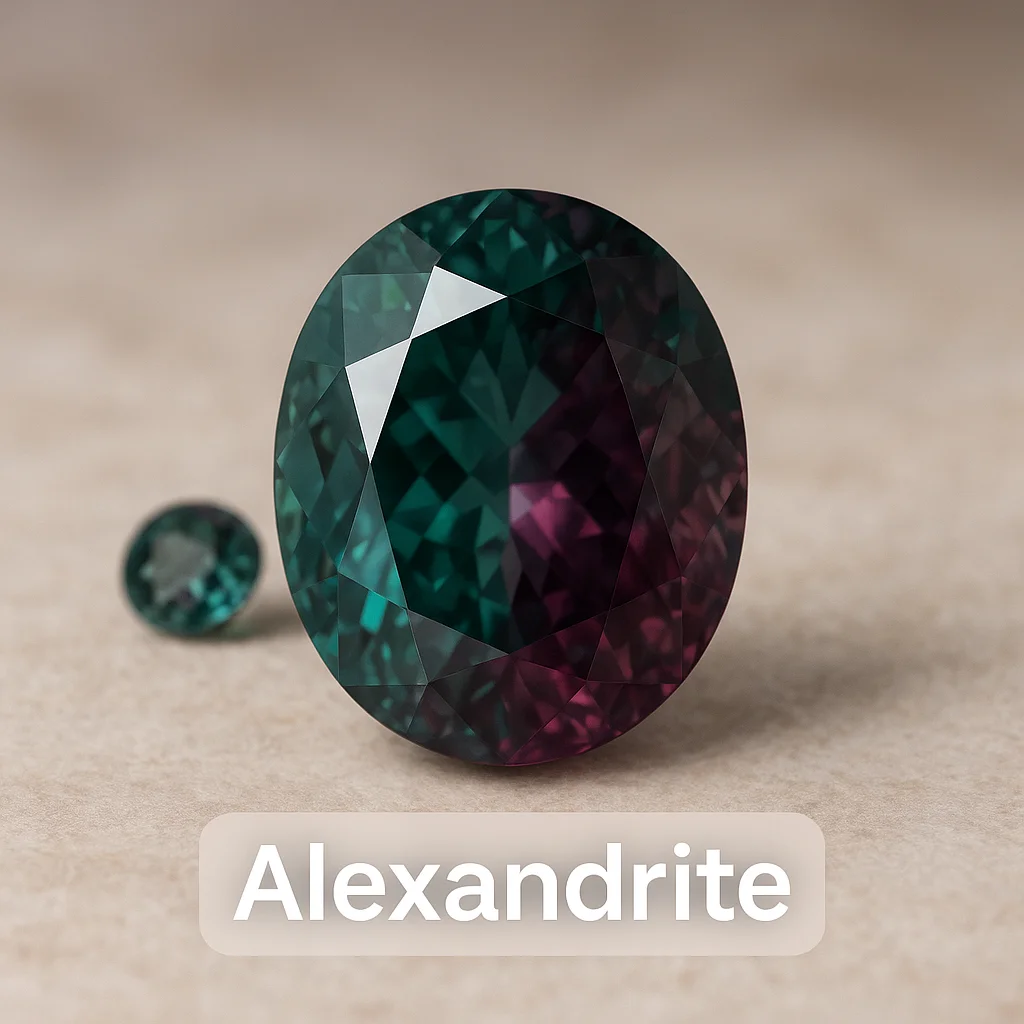
A key feature of alexandrite that attracts collectors and jewelers alike is its color change. Under daylight or fluorescent light, it typically appears greenish or bluish-green. However, under incandescent light, it shifts to a reddish-purple or even raspberry color. This remarkable color change is a major reason why it is prized as a gemstone.
Alexandrite is also recognized as the birthstone for the month of June, alongside pearl and moonstone. Throughout this article, we will explore its appearance, natural origins, properties, cultural significance, and tips for purchasing and caring for this captivating gem.
🌍 Where It Comes From
In nature, alexandrite forms in igneous and metamorphic rock environments, where specific conditions contribute to its unique characteristics. It requires the presence of beryllium and chromium, minerals that aren't typically found together in large quantities, adding to its rarity.
The gemstone is commonly found in regions like Russia, Sri Lanka, and Brazil, with newer deposits discovered in Africa and India. Each location may exhibit slight variations in color and quality due to differences in the geological setting.
The origin of alexandrite can affect its color, clarity, and overall market reputation. Russian alexandrite is particularly famous among collectors because it was the first source of the gemstone and is known for its strong color change. However, stones from other regions also have their own desirable qualities.
🔬 How It Forms
Alexandrite formation requires precise geological conditions. These stones form in mineral-rich environments through a combination of heat, pressure, and the presence of specific chemical elements. Over time, metamorphic processes alter igneous rocks that contain both beryllium and chromium to produce alexandrite.
It is the chromium that is responsible for the distinctive color change in alexandrite. This trace element absorbs certain wavelengths of light, causing the stone's color to shift in different lighting conditions, an effect known as the alexandrite effect.
🎨 Color and Look
The most striking feature of alexandrite is its color-changing ability. By day, it appears green to bluish-green, while in artificial light, it transforms into shades of red to purplish-red. The intensity of the color change can vary between stones, with some exhibiting a stronger effect than others.
The stone's overall appearance can be influenced by factors like cut, polish, and clarity. Proper cutting and polishing enhance its color and luster, maximizing its visual appeal. As for clarity, alexandrite may contain inclusions, which are natural imperfections, but they are typically accepted if they do not interfere with the color change.
Although alexandrite is usually not treated to enhance its appearance, it is always wise to inquire about any treatments when purchasing gemstones, particularly for high-value pieces.
🧪 Properties That Matter
Alexandrite scores 8.5 on the Mohs hardness scale, which measures scratch resistance. This level of hardness makes it suitable for a variety of jewelry settings, although care should be taken during wear to avoid scratches from harder stones.
The gemstone is also noted for its good toughness, being resistant to breakage and chipping. This makes it a fit option for both daily wear rings and occasional pendants. However, alexandrite has poor cleavage, meaning it can split if struck forcefully.
Alexandrite's luster is described as vitreous, or glassy, and it is typically transparent. These properties add to its allure and value, particularly when cut to show off its unique optical effects.
✨ Meanings, Birthstones, and Culture
Traditionally, alexandrite is associated with balance and change. Some cultures consider it a symbol of good fortune and luck. While such meanings are not scientifically proven, they add to the gemstone's allure and mystique.
As a birthstone for June, alexandrite shares this designation with pearls and moonstone. In modern jewelry traditions, owning a piece of alexandrite jewelry is often seen as a sign of taste and sophistication because of its rarity and unique properties.
🧼 Care and Cleaning
To clean alexandrite, it is best to use a mild soap solution with warm water and a soft cloth or brush. Avoid harsh chemicals that might damage the stone's surface or dull its luster.
It's important to prevent exposure to extreme temperatures and prolonged soaking, which could potentially stress the gemstone. Also, avoid ultrasonic and steam cleaners, which may harm more delicate gems.
When storing alexandrite jewelry, it's advisable to keep it separate from other gemstones to prevent scratches. Using a soft pouch or individual jewelry case is a practical approach to protect its surfaces.
🛒 Buying Tips and What to Check
When purchasing alexandrite, color change is the most significant factor affecting value. Stones with a stronger color change and distinct hues are more prized. Clarity is also important, although some inclusions are acceptable if they do not detract from the overall appearance.
Asking about the origin of the stone is advisable, especially for collectors who might prefer alexandrite from specific regions like Russia. For high-value stones, obtaining a gemological report provides evidence of authenticity and any treatments applied.
For online purchases, ensure the seller provides clear photographs, a reasonable return policy, and transparent information about the gemstone's properties. A reputable seller will disclose if the gem is natural or synthetic, and any enhancements performed.
⚠️ Real vs Fake and Common Look-Alikes
Natural alexandrite is rare, which has led to several synthetic and imitation versions on the market. Synthetic alexandrite, created in laboratories, possesses the same chemical and physical properties but should be clearly identified and sold as lab-grown.
Imitations often include colored glass or corundum colored to resemble alexandrite's changing hues. Doublets and triplets, which combine layers of different materials, are other types of assembled stones that mimic the appearance of natural alexandrite.
Professional testing by a certified gemologist is the best way to confirm the authenticity of an alexandrite stone, as it involves methods not easily replicated at home.
❓ Common Questions and Misconceptions
Is it a mineral or a rock? Alexandrite is a mineral, specifically a variety of chrysoberyl.
Is it a birthstone? Yes, alexandrite is one of the birthstones for June.
Will it scratch easily? With a Mohs hardness of 8.5, it's quite resistant to scratches but should be kept away from harder materials.
Can it go in water? Brief contact with water is safe, but avoid long soaking to prevent potential damage.
Does color fade in sunlight? Alexandrite color is generally stable, but prolonged exposure to intense light should be avoided to maintain its original appearance.
What treatments are common? Alexandrite is typically not treated, but always confirm with your jeweler.
Is lab-grown "fake"? Lab-grown or synthetic alexandrite has the same properties as natural stone and is not fake, but should be disclosed.
How do I store it safely? Store alexandrite separately in a soft pouch or lined box to prevent scratches and maintain its luster.
Do inclusions always lower value? Minor inclusions are acceptable if they don't affect the color change or transparency significantly.
How do I pick a good one for jewelry? Look for strong color change, good clarity, and a quality cut that enhances its appearance.
📌 Summary
- Alexandrite is a rare variety of chrysoberyl with a remarkable color change feature.
- Typical colors range from green in daylight to red under incandescent light.
- Forms in igneous and metamorphic rocks under specific conditions involving chromium.
- Hardness of 8.5 makes it suitable for various jewelry types.
- Generally not treated, but always verify enhancements when buying.
- Clean gently with soap and water, and store separately to prevent scratches.
- Ideal for rings and pendants, highly valued in fine jewelry.
- Common look-alikes include synthetic versions, glass, and doublets/triplets.
- Authenticity confirmed by professional gemological tests.
- Buying: prioritize color change, clarity, verified origin, and lab reports.
- June birthstone with cultural ties to balance and change.
- Remember: natural alexandrite's dual color is its most prized characteristic.