💎 Aquamarine
🪨 What It Is
Aquamarine is a gemstone that belongs to the beryl mineral family. It is known for its captivating blue-green color, reminiscent of the sea, which is where it gets its name—'Aqua' meaning water and 'Marine' meaning sea. Aquamarine is beloved for its clarity and range of serene hues.
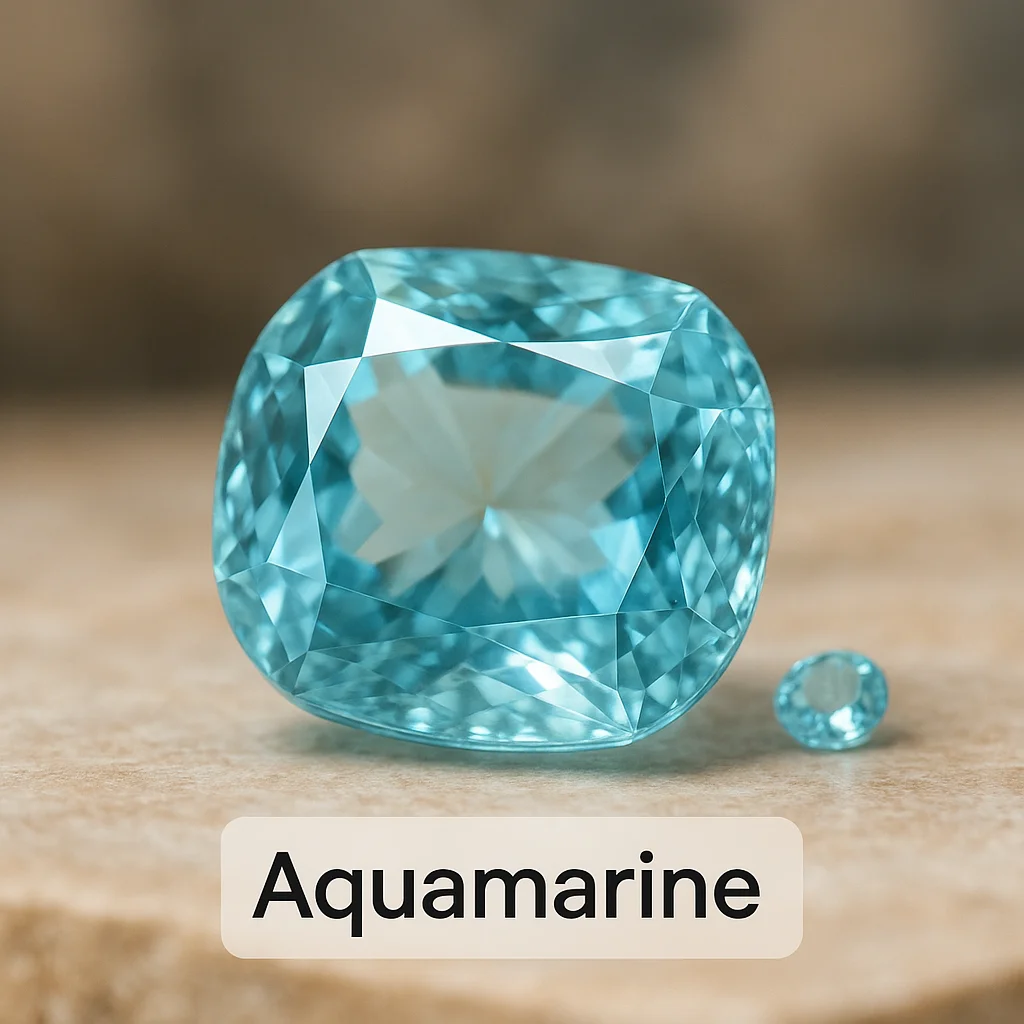
This gemstone is the birthstone for March, making it a popular choice for birthday gifts and jewelry. Aquamarine is not only sought-after for its beauty but also for its durability and wearability in various types of jewelry.
In this article, you will learn about aquamarine's unique appearance, properties, origins, and value. We will also explore care tips and guidance on how to choose high-quality aquamarine gemstones and distinguish between genuine stones and their imitations.
🌍 Where It Comes From
Aquamarine predominantly forms in igneous rocks. It is typically found in pegmatite deposits, which are coarse-grained granitic rocks with large crystal structures. This attractive gemstone can also occasionally form in metamorphic and sedimentary environments.
The most famous sources of aquamarine are Brazil, which is heralded for its vivid blue stones. Other significant producing regions include parts of Africa, such as Nigeria and Mozambique, as well as some regions in Pakistan and India. The origin of aquamarine can affect its color and clarity, which in turn impacts its market reputation and price.
Collectors and gem enthusiasts are keen on the origin since certain regions are known for producing aquamarines with specific desirable qualities. It's important to note, however, that individual stones can vary, and assessing each gemstone on its own merits is crucial.
🔬 How It Forms
Aquamarine forms over long periods under specific geological conditions. Typically, it crystallizes from hot, mineral-rich waters that permeate through granite or other host rocks. These fluids contain beryllium, which combines with other elements to form the mineral beryl, of which aquamarine is a variety.
Its iconic blue color results from trace amounts of iron within the crystal lattice. The amount and oxidation state of iron influences whether the color is more blue or green. These trace elements differentiate aquamarine from other beryl varieties like emerald, which gets its green color from chromium or vanadium.
In its natural form, aquamarine can develop well-formed hexagonal crystals. These are often transparent and can be quite large, making them suitable for cutting and polishing into gemstones.
🎨 Color and Look
Aquamarine is celebrated for its range of light, almost pastel blues to deeper, more intense sea blue and greenish-blue hues. Its transparency and purity are particularly valued, and high-quality stones are often eye-clean, meaning they lack visible inclusions.
The appearance of aquamarine can be enhanced or affected by how it is cut and polished. A well-cut aquamarine will maximize its brilliance and color. Lighting also plays a role, as daylight tends to bring out its most vibrant colors, giving it an almost ethereal glow.
While aquamarine can be heat-treated to enhance its color, which usually makes the blue more pronounced, these treatments are generally accepted within the gem industry as they are stable and do not diminish the stone's value.
🧪 Properties That Matter
Aquamarine has a Mohs hardness rating of 7.5 to 8. This means it is quite resistant to scratches, making it suitable for daily wear in jewelry like rings and bracelets. Its toughness is generally considered to be good, though care should be taken not to expose it to hard impacts.
In terms of cleavage, aquamarine has poor basal cleavage, meaning it is not prone to cleaving easily if hit, but care must always be taken when cutting or setting the stone. The luster of aquamarine is vitreous, giving it a glossy, glass-like appearance, and it is mostly transparent, which enhances its brilliance.
These properties make aquamarine an excellent choice for all kinds of jewelry, including rings, earrings, necklaces, and even as statement pieces in cocktail rings.
✨ Meanings, Birthstones, and Culture
Traditionally, aquamarine is associated with calmness, hope, and clarity. In many cultures, it is believed to bring happiness and protection. As the March birthstone, it is often given as a gift to people born that month.
In folklore, aquamarine was thought to be the treasure of mermaids and was used by sailors as a talisman for good luck and safe voyages. While these are cultural symbols rather than scientific facts, they contribute to the gemstone's charm and desirability.
Today, aquamarine is celebrated in modern jewelry design for its beauty and is often used in engagement rings and fine jewelry pieces for its captivating color and symbolism.
🧼 Care and Cleaning
Cleaning aquamarine is fairly straightforward. The safest method is to use warm, soapy water and a soft brush to gently clean the surface. Avoid harsh chemicals and ultrasonic cleaners, especially if the stone has been heated.
It is advisable to dry aquamarine with a soft cloth and store it separately from other gemstones to avoid scratches. It should also be kept away from prolonged direct sunlight to prevent any potential fading of its color.
Owners should avoid exposing aquamarine to sudden temperature changes, which could potentially cause fractures or damage to the stone.
🛒 Buying Tips and What to Check
When buying aquamarine, consider the depth and purity of the color, as more vibrant blue stones are generally more valuable. Clarity is also important; eye-clean stones are preferred. The cut should enhance the stone's color and maximize its sparkle.
Carat weight is a factor in pricing, but larger stones are more readily available in aquamarine than in many other gemstones, which makes them more accessible. Origin may influence price due to perceived quality and rarity associated with certain regions.
Always inquire about any treatments the stone may have undergone, and consider obtaining a laboratory report for high-value purchases. Check for reputable sellers with solid return policies when buying online, and ask for detailed photos to assess the stone.
⚠️ Real vs Fake and Common Look-Alikes
Aquamarine can be either natural or synthetic. Laboratory-grown aquamarine has identical chemical properties to natural stones but usually lacks the inclusions that can be present in natural stones.
Imitations can include glass, plastic, or other assembled stones like doublets or triplets designed to mimic aquamarine's color. A common look-alike is blue topaz, which can be mistaken for aquamarine due to its similar color.
Professional testing by a gemologist is the most reliable way to authenticate aquamarine. Home tests are not recommended, as they can be inaccurate or damage the stone.
❓ Common Questions and Misconceptions
Is it a mineral or a rock? Aquamarine is a mineral, a variety of beryl.
Is it a birthstone? Yes, it is the birthstone for March.
Will it scratch easily? With a Mohs hardness of 7.5 to 8, it is relatively scratch-resistant.
Can it go in water? Yes, aquamarine can be cleaned with water, but avoid prolonged soaking.
Does color fade in sunlight? It can fade if exposed to intense sunlight for long periods.
What treatments are common? Heat treatment to enhance color is common.
Is lab-grown 'fake'? Lab-grown aquamarine has the same properties as natural but is not sourced naturally.
How do I store it safely? Store it in a soft pouch or a separate box to prevent scratches.
Do inclusions always lower value? Not always; it depends on visibility and whether they affect durability.
How do I pick a good one for jewelry? Look for vibrant color, good clarity, and a quality cut that enhances its sparkle.
📌 Summary
- Aquamarine is a blue-green gemstone, part of the beryl mineral family.
- It typically displays clear and vibrant sea-blue hues.
- Forms under high-pressure, mineral-rich conditions in igneous rocks.
- Mohs hardness of 7.5 to 8 makes it suitable for everyday wear.
- Commonly heat-treated to enhance color.
- Clean with soapy water; avoid prolonged sun exposure.
- Ideal for rings, earrings, and pendants due to its strength and beauty.
- Can be confused with blue topaz; verify authenticity with a gemologist.
- Birthstone for March, associated with calm and clarity traditionally.
- Check color and clarity when buying; ask about origins and treatments.
- Lab reports help confirm genuine aquamarine, revealing any treatments.
- Known for its calming color, making it a timeless choice in jewelry.