💎 Citrine
🪨 What It Is
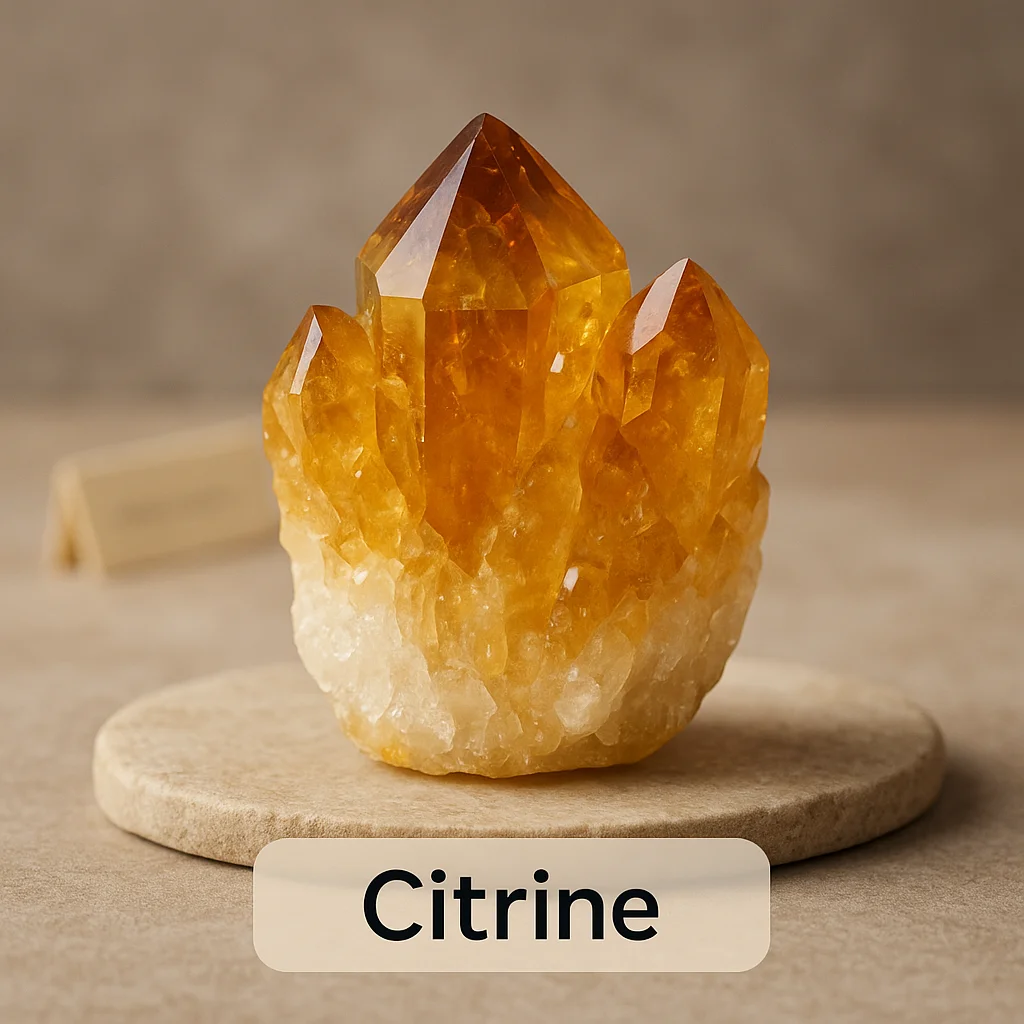
Citrine is a captivating variety of quartz known for its vibrant yellow to orange hues. This gemstone has captured the attention of jewelry enthusiasts due to its sunny appearance and affordability. Citrine is often associated with warmth and positivity, making it a popular choice for both jewelry and decorative items.
Citrine is widely used in jewelry, appearing in rings, necklaces, and bracelets. As a variety of quartz, it is quite popular due to its beauty and durability. It is also recognized as one of the birthstones for November, alongside topaz, adding to its appeal.
In this article, we will explore the appearance, properties, origins, and buying tips for citrine. We'll discuss how it forms, its value, care tips, and how to ensure you're getting genuine citrine. Whether you're interested in its geology or cultural meanings, citrine offers something for everyone.
🌍 Where It Comes From
Citrine is primarily found in geologic settings known as igneous environments, which involve volcanic processes. In these settings, citrine forms in large, six-sided crystals or within cavities known as geodes, where quartz crystals are particularly abundant.
Well-known global sources of citrine include Brazil, which leads in production thanks to its rich deposits found in the state of Rio Grande do Sul. Other notable regions include parts of Africa and Asia, where quartz deposits are prevalent. The origin can impact the color and clarity of citrine, often influencing market reputation.
The importance of a gem's origin can vary, affecting both its value and desirability. Some buyers might place significance on Brazilian citrine for its consistent quality, while others may admire the unique hues seen in African citrines. However, the region of origin should be one factor among many when purchasing citrine.
🔬 How It Forms
Citrine forms under natural conditions involving high temperatures and pressures typical of igneous rock formations. As a member of the quartz family, citrine's yellow to orange color results from trace amounts of iron within the crystal structure, providing its distinctive warm shades.
The formation of citrine involves the slow cooling of silica-rich fluids over time. As these fluids cool and crystallize, the presence of iron causes variations in color, ranging from pale yellow to deep amber. These nuances develop over millions of years, contributing to citrine's unique appearance.
Citrine often appears in crystal clusters or large, clear crystal shapes. Its hexagonal structure and clarity add visual appeal, particularly when cut and polished for use in jewelry.
🎨 Color and Look
Citrine's most common color range spans from light yellow to deep amber, sometimes approaching an orangey brown. The gem is usually transparent and can exhibit excellent clarity, which enhances its brightness and appeal. The best-quality citrine is vivid and saturated in color, with minimal visible inclusions.
The appearance of citrine can be influenced by factors such as the precision of its cut, the smoothness of its polish, and the type of lighting under which it is viewed. In different lighting conditions, citrine may appear brighter or more subdued. Treatments such as heat can enhance the color, providing a consistent and desirable hue that is valued in the market.
Most citrine on the market is heat-treated amethyst. Through controlled heating processes, the violet hues of amethyst shift towards the golden yellows of citrine. This method is stable and accepted within the gemstone industry, though disclosures about treatment are important for buyers to note.
🧪 Properties That Matter
Citrine boasts a Mohs hardness of 7, making it fairly resistant to scratches, which is beneficial for everyday jewelry pieces. Despite this hardness, it is important for consumers to note that it can still be scratched by materials harder than quartz, such as diamond.
The toughness of citrine is considered good, although it should be protected from hard knocks that could cause chipping. Citrine displays poor cleavage, meaning it does not fracture easily along specific planes when struck, which is advantageous for durability.
Luster is an important property, with citrine typically exhibiting a vitreous (glass-like) shine that enhances its visual appeal. This luster can attract a significant amount of attention, whether in a ring, pendant, or bracelet.
✨ Meanings, Birthstones, and Culture
Citrine has traditionally been associated with warmth and optimism, often linked to mental clarity and creativity within various cultures. While there are no scientific studies to confirm these effects, citrine remains symbolic in many traditions of joy and abundance.
As the birthstone for the month of November, citrine is believed to bring protection and healing to its wearers, although these claims are of cultural and folkloric origin rather than scientific. Citrine's association with prosperity and wealth is also a popular theme in modern uses.
The gem's bright color and reputed properties have seen it feature in a variety of modern and traditional jewelry settings, making it a versatile and favored gemstone for gifts and personal adornment.
🧼 Care and Cleaning
Caring for citrine is relatively straightforward, generally requiring mild soap and lukewarm water for cleaning. A soft cloth can be used to wipe away any residues without scratching the surface.
It's advisable to avoid harsh chemicals and prolonged sun exposure, as these can affect treated citrines' appearance over time. Although citrine can handle gentle heat, sudden changes in temperature should be avoided to prevent possible fractures.
For storage, citrine should be kept separate from other gemstones to prevent scratches. Soft pouches or individual compartments in a jewelry box offer ideal storage solutions to maintain its polish and clarity.
🛒 Buying Tips and What to Check
When buying citrine, consider the key factors affecting its value: color, clarity, cut, and carat weight. Rich, saturated colors are typically more valuable. Clarity should be high, with few inclusions visible to the naked eye.
Inquire about any treatments the citrine may have undergone, such as heat treatment, to understand its origins and modifications. Requesting a certification or gemstone report can provide verification of these details for higher-value purchases.
When shopping online, ensure that the vendor provides multiple clear photographs, a reasonable return policy, and detailed descriptions. Check for positive seller reviews and full treatment disclosures as part of your decision-making checklist.
⚠️ Real vs Fake and Common Look-Alikes
Distinguishing natural citrine from its synthetic counterparts can be challenging without professional testing. Synthetic citrine possesses the same chemical composition but is created in laboratories.
Imitations, often made from glass or plastic, may mimic citrine's appearance but lack its durability and weight. Assembled stones, such as doublets or triplets, use layers of different materials bonded to simulate the full look of natural citrine.
Common look-alikes include topaz and bright yellow zircon, with each possessing distinct properties. If in doubt, professional assessments using advanced equipment can confirm a stone's authenticity and origin.
❓ Common Questions and Misconceptions
Is it a mineral or a rock? Citrine is a mineral, a variety of quartz.
Is it a birthstone? Yes, citrine is a birthstone for November.
Will it scratch easily? With a hardness of 7, it is scratch-resistant but can still be scratched by harder substances.
Can it go in water? Yes, but prolonged exposure should be avoided.
Does color fade in sunlight? Prolonged exposure to intense sunlight can potentially fade its color.
What treatments are common? Heat treatment is the most common to enhance color.
Is lab-grown "fake"? No, lab-grown citrine has the same composition as natural but is ethically created in controlled conditions.
How do I store it safely? Keep it separate from other stones to prevent scratches, preferably in a soft pouch.
Do inclusions always lower value? Not always, but very clear stones are typically more prized.
How do I pick a good one for jewelry? Look for bright, even coloration and few visible inclusions in a well-cut piece.
📌 Summary
- Citrine is a transparent, sunny variety of quartz.
- It typically displays yellow to orange hues.
- Forms through volcanic heat and iron inclusions.
- Has a hardness of 7, making it wearable daily.
- Commonly heat-treated to enhance color.
- Clean with gentle soap, store separately to avoid scratches.
- Ideal for rings, pendants, and earrings.
- Can be confused with topaz and zircon.
- Authenticity confirmed through professional testing.
- Inspect color, clarity, cut, and weight when buying.
- Birthstone for November, culturally linked with warmth.
- Citrine's affordability and brightness make it an accessible gemstone with wide appeal.