💎 Emerald
🪨 What It Is
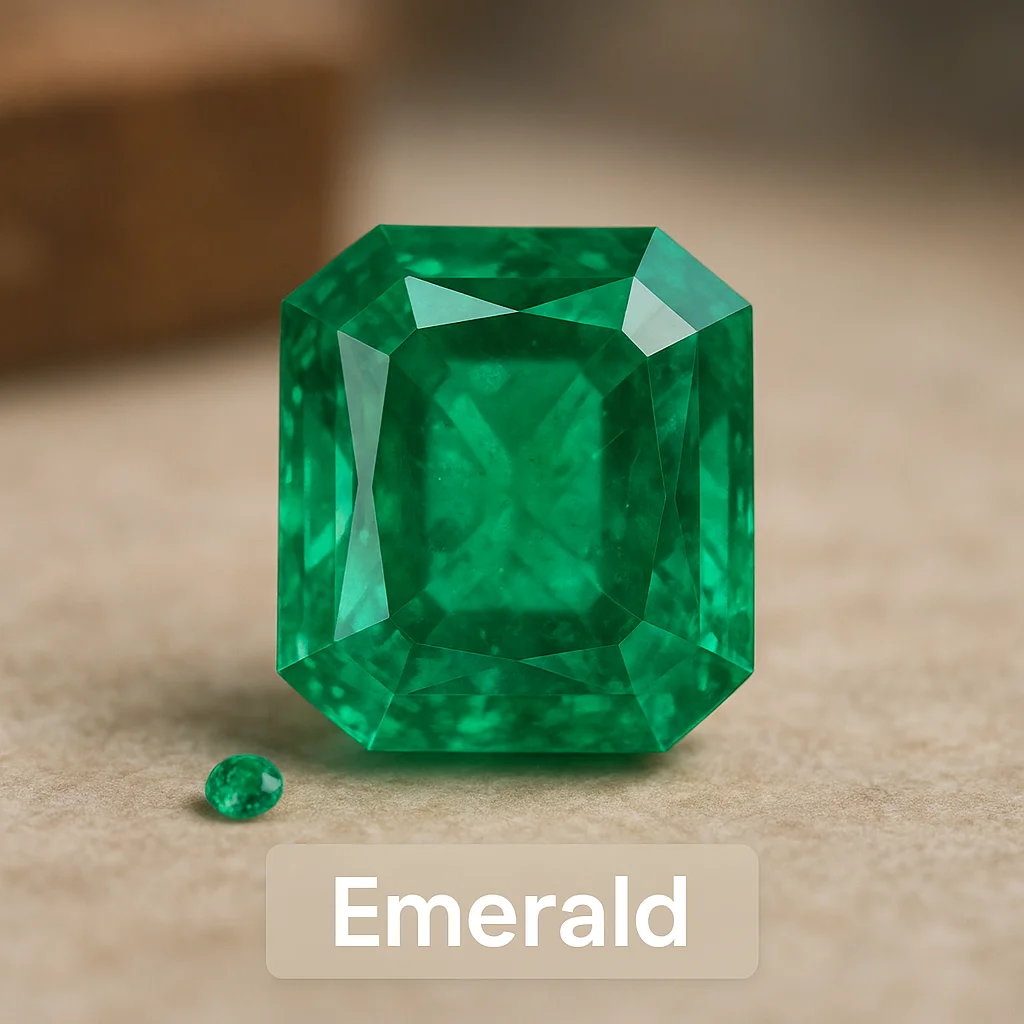
Emerald is a captivating gemstone known for its lush green color and is part of the beryl mineral family. This stone has been cherished throughout history for its beauty and rarity. As a widely popular gemstone, it holds the title of the birthstone for May, symbolizing renewal and growth.
In this article, you will learn about the essential characteristics of emerald, including its geological origins, appearance, properties, and cultural significance. We will also cover practical tips for purchasing, caring for, and identifying authentic emerald gemstones.
Whether you're a jewelry enthusiast or a curious learner, understanding emeralds' unique traits will enhance your appreciation for this remarkable gemstone and guide you in making informed decisions when acquiring one.
🌍 Where It Comes From
Emeralds form in geological environments characterized by high pressure and temperature. They primarily occur in hydrothermal veins and metamorphic rocks, often associated with mineral-rich fluids that provide the elements necessary for their growth.
Colombian emeralds are renowned for their exceptional quality and vivid green color, making Colombia one of the most significant sources of these gemstones. Other notable producers include Zambia, Brazil, and Zimbabwe, each contributing distinct colors and qualities to the emerald market.
The origin of an emerald can influence its market value. Colombian emeralds are highly sought after due to their unparalleled color and clarity, while Zambian emeralds are appreciated for their deep, bluish-green hue. Knowing the source of an emerald can provide insights into its potential value and quality.
🔬 How It Forms
Emeralds form deep within the Earth's crust under specific conditions that allow beryl crystals to grow. The presence of trace elements, particularly chromium and vanadium, is essential for imparting the vibrant green color typical of emeralds.
The crystal structure of emeralds is hexagonal, which can influence their symmetry and appearance. The stone often forms in long hexagonal prisms, although the size and clarity of crystals vary widely depending on the formation conditions.
The slow cooling of mineral-rich fluids over millions of years leads to the growth of emerald crystals. This process can introduce inclusions, which are natural characteristics that make each stone unique, often referred to as the gemstone's "garden."
🎨 Color and Look
Emeralds are celebrated for their rich green color, which ranges from bluish-green to yellowish-green. The most valued emeralds exhibit a vivid, saturated green without any noticeable color zoning. The intensity and evenness of the color significantly impact the stone's value.
Clarity is another important aspect of an emerald's appearance. While inclusions are common, stones that allow light to pass through without visible flaws are highly prized. The clarity can often be enhanced through filling cracks with oil, a traditional treatment.
The cut and polish of an emerald influence its brilliance and luster, which is the way it reflects light. A well-cut emerald maximizes color depth and minimizes inclusions, enhancing its overall beauty and allure.
🧪 Properties That Matter
On the Mohs scale of hardness, emeralds rank at 7.5 to 8, indicating moderate hardness suitable for jewelry. While fairly resistant to scratches, they can be brittle due to internal inclusions, making them susceptible to chipping.
The gemstone exhibits a vitreous luster, adding to its visual appeal. However, emeralds have poor cleavage, meaning they can fracture if not handled carefully, especially in rings or daily-wear jewelry.
The unique properties of emeralds make them suitable for various jewelry pieces, yet extra caution is recommended in daily-use items like rings. Somber settings and protective designs can help mitigate risks of damage during regular wear.
✨ Meanings, Birthstones, and Culture
Emeralds have long been associated with cultural and symbolic meanings. Traditionally, they represent rebirth, love, and wisdom. In ancient times, they were believed to have protective and healing powers.
As the birthstone of May, emeralds are thought to bring prosperity and foresight. They also hold significance in the zodiac, particularly for Taurus and Gemini, enhancing love and communication according to some beliefs.
In modern jewelry traditions, emeralds are celebrated for their vibrant color and timeless elegance. They are a popular choice for engagement rings, anniversaries, and special gifts, symbolizing enduring love and commitment.
🧼 Care and Cleaning
To keep your emerald jewelry looking its best, gentle cleaning is recommended. Use lukewarm water and mild soap to clean the stone, and gently pat dry with a soft cloth. Avoid abrasive materials and harsh chemicals that could damage the stone.
Emeralds are often treated with oils or resins to enhance their color and clarity. Therefore, avoid exposing them to high temperatures or sudden temperature changes, which can affect these treatments.
When not wearing your emerald jewelry, store it in a soft-lined box separately from other stones to prevent scratches. This careful handling will ensure the longevity and beauty of your emeralds for years to come.
🛒 Buying Tips and What to Check
When purchasing an emerald, consider the "Four Cs": color, clarity, cut, and carat weight. The color is the most significant factor, with deep, vibrant greens being highly valued. Clarity also impacts value, although some inclusions are typical for emeralds.
It's crucial to inquire about treatments, as most emeralds undergo some form of enhancement. A reputable seller should provide this information, and if buying a high-value stone, consider obtaining a lab report to verify authenticity and quality.
For online purchases, check the seller's reputation, return policy, and ensure clear photographs are available. A trusted vendor will offer detailed disclosures about the stone's quality and origins, providing confidence in your purchase.
⚠️ Real vs Fake and Common Look-Alikes
Emeralds can be natural or synthetic; synthetic emeralds are lab-grown but share the same physical and chemical properties as natural ones. Imitations, however, may include glass or plastic, differing substantially in composition and value.
Emerald look-alikes, such as green tourmaline or peridot, can sometimes cause confusion. Distinguishing features, like color saturation or specific inclusions, can assist identification, but professional testing remains the most reliable method.
Assembled stones, such as doublets or triplets, can mimic emeralds' look by layering materials. Reliable identification and confirmation of authenticity should be done through a trusted gemologist or specialized laboratory.
❓ Common Questions and Misconceptions
Is emerald a mineral or a rock? Emerald is a mineral, specifically a variety of beryl.
Is emerald a birthstone? Yes, it is the birthstone for the month of May.
Will emerald scratch easily? Emeralds are moderately hard but can scratch or chip due to their brittleness.
Can emerald go in water? Brief exposure to water is fine, but long soaking is not recommended.
Does emerald color fade in sunlight? Prolonged exposure can impact color, so it's best to store away from direct sunlight.
What treatments are common for emeralds? Oil treatment is common to improve clarity.
Is lab-grown emerald "fake"? No, lab-grown emeralds are real emeralds, but synthetic.
How do I store emeralds safely? Store separately in a soft-lined box to prevent scratches.
Do inclusions always lower emerald's value? Not always; some inclusions in emeralds are accepted and considered part of their charm.
How do I pick a good emerald for jewelry? Focus on color and clarity, ensuring the stone is well-proportioned for the setting.
📌 Summary
- Emerald is a green variety of the beryl mineral.
- Typical appearance includes vivid green hues.
- Formed in hydrothermal and metamorphic environments.
- Mohs hardness of 7.5 to 8, with moderate wear resistance.
- Commonly treated with oils to enhance clarity.
- Care involves gentle cleaning and avoiding harsh conditions.
- Best suited for protected jewelry settings like pendants and earrings.
- Common look-alikes include green tourmaline and peridot.
- Authenticity confirmed through professional gemological testing.
- Buying checklist includes color, clarity, and treatment disclosures.
- Holds cultural significance as a birthstone for May.
- Remember: The source can influence an emerald's value and perception.