💎 Topaz
🪨 What It Is
Topaz is a silicate mineral of aluminum and fluorine, known for its range of beautiful colors and clarity. It forms as prismatic crystals in nature, with a distinct and appealing shimmer. The mineral is popular in jewelry, earning its place as the birthstone for November. It is also appreciated for its versatility and beauty, making it a favorite among gem enthusiasts.
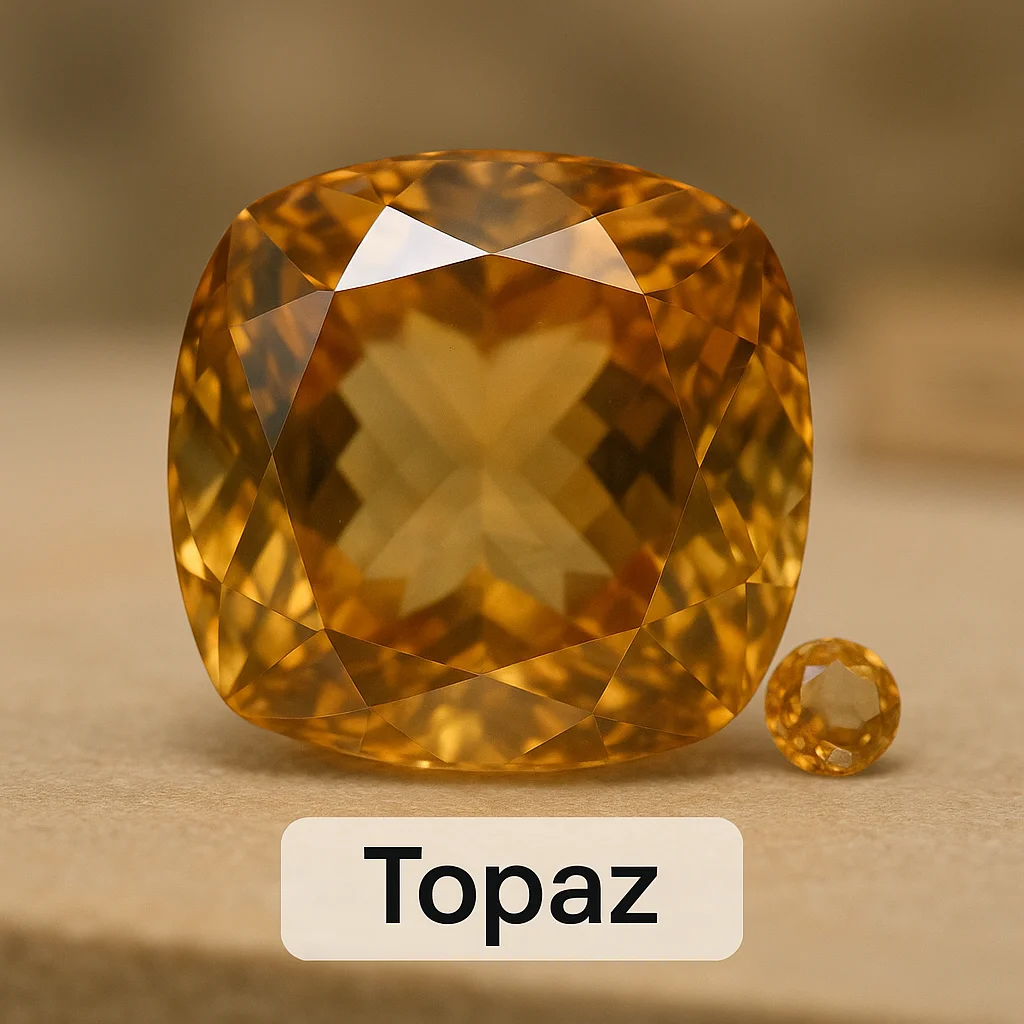
Topaz is well-regarded in the jewelry industry, thanks to its vibrant hues and durability. It comes in a wide array of colors, which are often enhanced through careful treatments. This gemstone is typically used in rings, pendants, earrings, and bracelets, embodying both elegance and strength.
In this article, you will learn about the origins, formation, visual characteristics, practical properties, cultural aspects, care instructions, purchasing tips, and how to distinguish authentic topaz from imitations. Topaz's unique qualities and handling instructions are essential knowledge for anyone interested in acquiring or caring for this splendid gemstone.
🌍 Where It Comes From
Topaz is primarily found in igneous rock formations, particularly within pegmatites and rhyolites. It forms when fluorine vapors interact with silica-rich igneous rocks, resulting in the crystallization of this iconic gemstone. These geological settings provide the right conditions for topaz to develop its characteristic shape and clarity.
Significant topaz deposits are discovered across various regions worldwide, including parts of Brazil, Nigeria, Pakistan, Russia, and some areas within the United States. Brazil is noted for producing vibrant hues like golden-yellow and blue topaz, which are highly prized in the gemstone market.
The origin of topaz, while not always directly impacting its physical properties, can influence its perceived value and desirability. For instance, Brazilian topaz is often associated with superior quality due to its vivid coloration and high transparency. These distinctions can guide enthusiasts and collectors in selecting topaz pieces that meet their aesthetic preferences.
🔬 How It Forms
Topaz forms under high-temperature conditions in mineral-rich environments, where specific geochemical processes occur. As molten rocks cool, the slow crystallization allows sufficient fluorine vapors to interact with silica, forming this mineral. The size and clarity of topaz crystals can vary depending on the geologic conditions during its formation.
The color variations in topaz are primarily due to trace elements within its crystal structure. For instance, the presence of chromium can produce pink and red tones, while iron results in yellow and brown shades. Natural blue topaz is quite rare, with heat and irradiation treatments often used to achieve this desirable color.
Topaz typically presents as prismatic crystals, with well-defined and often complex crystal faces. This characteristic crystal habit makes it distinctive and admired among mineral collectors, while its clarity and diverse colors contribute to its popularity in the gem market.
🎨 Color and Look
Topaz is celebrated for its vibrant colors, which range from colorless and pale yellow to deep blues and rich reds. The most commonly known and commercially significant colors are blue, yellow, brown, and pink. The gemstone's clear and sparkling appearance is accentuated by a fine polish, making it an attractive choice for many jewelry designs.
The appearance of topaz is influenced by several factors, including its cut, clarity, and the presence of inclusions. A well-cut topaz can enhance its natural brilliance and bring out its color more effectively. Common treatments, such as heat and irradiation, are often applied to enhance or change the gemstone's color.
Certain optical effects such as pleochroism, where the stone exhibits different colors when viewed from different angles, can also occur in some topaz varieties. This unique characteristic adds to the dynamic appeal of topaz, making it a versatile gemstone for various settings and occasions.
🧪 Properties That Matter
In terms of practical properties, topaz has a ranking of 8 on the Mohs hardness scale, indicating excellent scratch resistance. This quality makes it suitable for daily wear in jewelry items like rings and bracelets, although care should be taken due to its cleavage.
Topaz possesses perfect basal cleavage, meaning it can split along flat planes within the crystal. This characteristic informs its toughness, as sharp blows can cause it to fracture. Despite this, when set in protective settings, topaz can be worn regularly without concern.
The luster of topaz is vitreous, providing a glass-like shine that increases its aesthetic appeal. Its transparency varies from transparent to translucent, depending on the quality and individual piece. These attributes together contribute to topaz's position as a favored gemstone in jewelry design.
✨ Meanings, Birthstones, and Culture
Throughout history, topaz has held various cultural and traditional meanings. It is notably the birthstone for November, symbolizing love and affection. The gemstone is traditionally associated with restoring calm and bringing good fortune to those who wear it.
In ancient lore, topaz was believed to offer protection against harm and to dispel enchantment. This symbolism contributes to its popularity as a personal talisman and a thoughtful gift for loved ones. Today, topaz continues to be cherished in modern jewelry, not only for its beauty but also for its cultural significance.
The rich cultural heritage surrounding topaz, coupled with its stunning appearance, makes it a memorable gemstone for various occasions, from birthdays to anniversaries, further enhancing its value beyond physical attributes alone.
🧼 Care and Cleaning
Caring for topaz involves gentle cleaning practices to maintain its luster and clarity. It is advisable to use warm soapy water and a soft cloth for regular cleaning. Avoid using harsh chemicals or ultrasonic cleaners, which can damage the gem's surface or cause breaks along its cleavage.
It is important to protect topaz from sudden temperature changes, which can exacerbate its cleavage. Long periods of exposure to intense sunlight may cause fading in some treated stones, so storage in a cool, shaded place is recommended.
When not worn, topaz jewelry should be stored separately in a soft pouch or lined box to prevent scratches from other items. With these care tips, you can preserve the beauty and integrity of your topaz pieces for years to come.
🛒 Buying Tips and What to Check
When purchasing topaz, several factors can influence its price and quality. Color is a primary consideration, with rare colors like imperial topaz commanding higher prices. The clarity, cut, and carat size also play essential roles in determining the stone's value.
It is wise to inquire about any treatments the stone has undergone, as these can affect both its appearance and durability. High-value topaz pieces may be accompanied by a gemological report, which provides certification and details about the gemstone's authenticity and quality.
For online purchases, ensure that the seller is reputable and has clear images of the gemstone. Check their return policy and ensure proper disclosure of the stone's treatments. This practice ensures a satisfactory buying experience and helps you select a quality piece confidently.
⚠️ Real vs Fake and Common Look-Alikes
Understanding the differences between natural, synthetic, and imitation topaz is crucial. Natural topaz forms in geological settings, while synthetic topaz is lab-created with similar properties. Imitations, often made from glass or plastic, mimic topaz's appearance but lack its durability.
Common look-alikes include citrine and smoky quartz, which are other yellow- and brown-colored gemstones often mistaken for topaz. Assembled stones like doublets or triplets may also attempt to replicate the topaz look, but they are identifiable upon close examination.
Accurate identification of topaz typically requires professional gemological testing. This ensures the clarity and authenticity of the gemstone without relying on home methods that could potentially damage the stone.
❓ Common Questions and Misconceptions
Is it a mineral or a rock? Topaz is a mineral.
Is it a birthstone? Yes, topaz is the birthstone for November.
Will it scratch easily? Topaz ranks 8 on the Mohs scale, making it scratch-resistant but not scratch-proof.
Can it go in water? Yes, but prolonged exposure should be avoided to prevent damage.
Does color fade in sunlight? Some treated topaz colors may fade with prolonged sun exposure.
What treatments are common? Heat and irradiation are common treatments to alter topaz's color.
Is lab-grown 'fake'? Lab-grown topaz is not fake; it has the same physical properties as natural topaz.
How do I store it safely? Store topaz separately in a soft pouch or lined box to prevent scratches.
Do inclusions always lower value? Visible inclusions typically lower value, but minor inclusions often have little impact.
How do I pick a good one for jewelry? Look for vibrant color, good clarity, and appropriate treatment disclosure when choosing topaz for jewelry.
📌 Summary
- Topaz is a mineral, celebrated for its rich colors and clarity.
- Common colors include blue, yellow, pink, and colorless.
- Formed through crystallization in igneous rock settings.
- Mohs hardness of 8, suitable for most jewelry types.
- Treatments like heat and irradiation can enhance color.
- Clean with soapy water; avoid harsh chemicals and heat.
- Ideal for rings, pendants, and earrings.
- Look-alikes include citrine and smoky quartz.
- Professional testing is needed for authenticity confirmation.
- Buying tips: verify treatments, choose reputable sellers.
- November birthstone, traditionally symbolizes love and protection.
- A versatile choice, topaz is both beautiful and durable.