💎 Zircon
🪨 What It Is
Zircon is a natural mineral, not to be confused with cubic zirconia, which is synthetic. As a popular gemstone, it is known for its rich variety of colors and high brilliance when properly cut. Zircon can sometimes be overshadowed by its lab-made counterpart, but in reality, it is a valued and genuinely intriguing gem with its unique qualities.
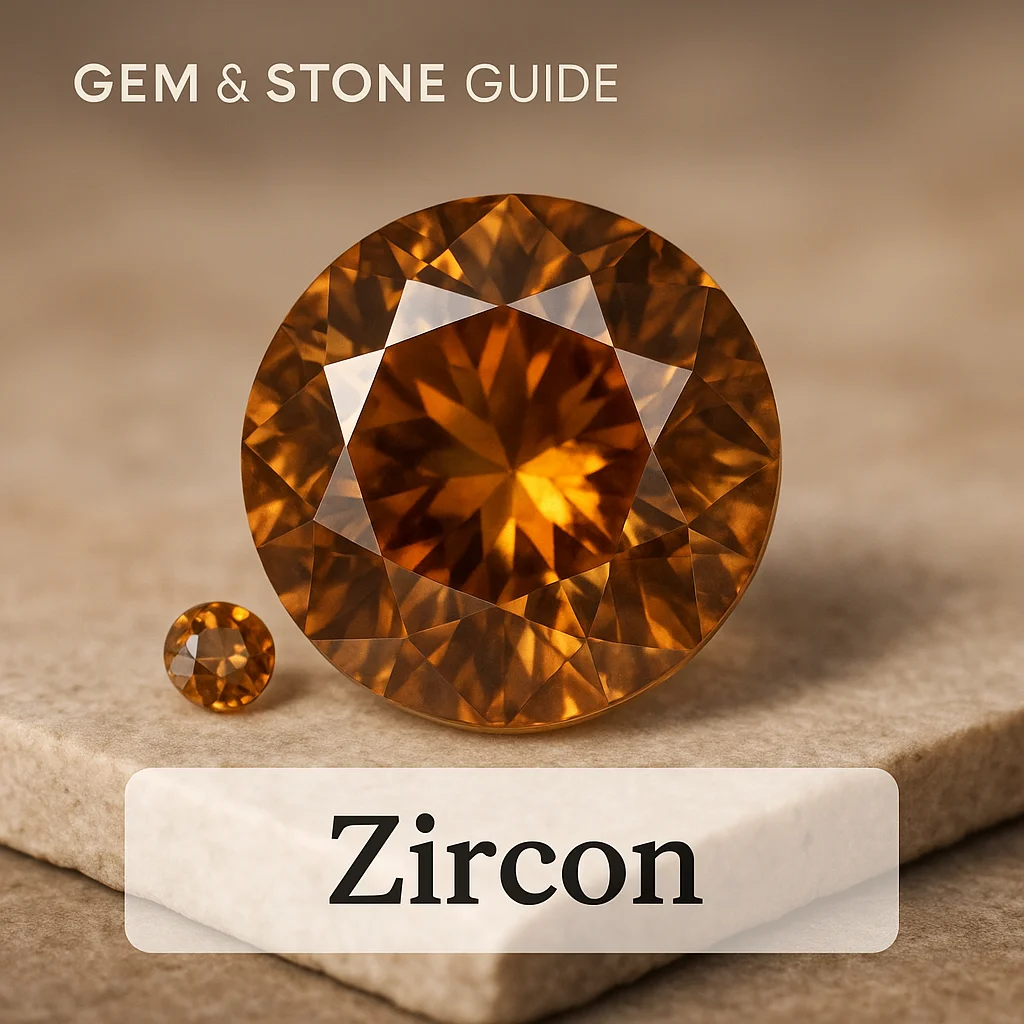
This gemstone is a delightful option for jewelry enthusiasts and collectors alike. It's durable enough for various types of jewelry, making it a versatile choice. Zircon is also known as a December birthstone, touting both significance and beauty for those born in this month.
In this article, you will learn about zircon's appearance, properties, origins, care tips, and buying advice. We will also touch on its cultural symbolism and how it holds up in practical applications.
🌍 Where It Comes From
Zircon is widely found in igneous rocks like granite and occasionally in metamorphic rocks. It can also appear in sedimentary deposits due to its durability, which allows it to survive weathering processes.
This gemstone can be found in numerous locations around the world, including parts of Africa, Asia, and Australia. These regions are known for producing zircons of different colors and qualities. The location of origin can sometimes affect the gem's market value and desirability, particularly when certain mines are known to produce superior quality stones.
The gem's origins can influence its color and clarity. For example, zircon from certain parts of Cambodia is renowned for its vibrant blue shade, which makes it especially sought after. Thus, origin can offer clues to potential buyers about the gemstone's properties and appeal.
🔬 How It Forms
Zircon forms in nature through geological processes involving extreme heat and pressure. Crystallization usually occurs in igneous rocks as they cool, where zircon often takes on a prismatic crystal habit.
The color of zircon, which can range from colorless to vivid shades of blue, yellow, and red, is primarily due to trace elements like uranium or thorium within the crystal lattice. These elements are also responsible for some zircons being slightly radioactive.
Natural zircons may exist in clear, crystalline form or as opaque, stony masses. The desirable gemstone qualities—such as brilliance and flash—are brought out through careful cutting and polishing.
🎨 Color and Look
Zircon exhibits a broad spectrum of colors, including colorless, red, yellow, brown, and the highly coveted blue. The stone's appearance can be strongly influenced by its cut and polish, which can enhance its brilliance and fire, making it an eye-catching choice for jewelry.
The richer colors can be achieved through heat treatment, which is commonly used to transform brownish zircon into beautiful blue hues. This process is stable and widely accepted. However, potential buyers should be aware of such treatments, as they are an important factor in the gemstone's value.
Well-cut zircon can rival diamonds in brilliance and sparkle, thanks to its high refractive index and dispersion. It is important to view zircon under different lighting conditions to truly appreciate its visual appeal.
🧪 Properties That Matter
Zircon has a Mohs hardness of 6 to 7.5, which makes it fairly scratch-resistant and suitable for various forms of jewelry. However, its toughness—resistance to chipping—is considered to be fair to good, meaning it can chip or fracture if handled roughly.
The gem has no distinct cleavage, meaning it doesn’t easily split along defined planes, and tends to fracture unevenly. Its vitreous luster, which is a glass-like shine, adds to its appeal when polished. Zircon's transparency can range from transparent to opaque, depending on impurities and inclusions.
These properties suggest zircon is well-suited for earrings and pendants, where less wear-and-tear is likely compared to rings. When choosing zircon for an item expected to endure daily wear, extra care and protection measures should be taken.
✨ Meanings, Birthstones, and Culture
For those born in December, zircon is one of the traditional birthstones alongside turquoise and tanzanite. It is traditionally associated with prosperity and honor in some cultures, though these beliefs are symbolic rather than scientifically proven.
Zircon has been used in jewelry since ancient times, often believed to provide wisdom and promote peace. Many wearers appreciate these symbolic meanings, though they should be treated as cultural tales rather than factual attributes.
In modern jewelry, zircon's versatility and aesthetic appeal have secured it a place in various settings, from vintage to contemporary designs. Its sparkling colors and rich history continue to captivate gem enthusiasts worldwide.
🧼 Care and Cleaning
Caring for zircon requires a gentle touch to ensure longevity and maintain its natural beauty. Clean your zircon jewelry with mild soap and water, using a soft cloth to avoid scratches. Avoid harsh chemicals that could damage or dull the surface.
Be cautious with heat exposure and sudden temperature changes, as they can exacerbate any internal tensions and potentially cause cracks. It’s best to remove zircon jewelry before engaging in activities that may involve strong impacts.
To store zircon jewelry, keep pieces in individual soft pouches or padded containers to prevent them from scratching other jewelry items or being scratched themselves. These simple care steps can help preserve your zircon’s charm and brilliance.
🛒 Buying Tips and What to Check
When buying zircon, consider factors such as color, clarity, cut, and carat size, all of which influence its value and price. Request disclosure about any treatments the stone may have undergone, as well as the stone's origin if available.
Obtain a lab report for high-value stones to confirm authenticity and get insight into key characteristics. These reports can help ensure you are making a sound purchase by offering detailed documentation of the gem's attributes.
For online purchases, scrutinize photos, review the seller's return policy, and check their reputation and customer feedback. Transparency and reliability in disclosures about the stone’s characteristics and treatments should be a priority.
⚠️ Real vs Fake and Common Look-Alikes
Zircon is a natural gemstone, while lab-grown versions are synthetic. Although synthetic zircons do exist, they are less common than imitations like cubic zirconia, which is often mistaken for zircon due to its similar name and appearance.
Glass and plastic copies also exist, marketed as zircon, but these are imitations and lack the unique qualities of true zircons. Some stones, such as topaz or spessartine garnet, can resemble zircon in color but differ in optical and physical properties.
To ensure you have an authentic zircon, professional gemological testing is recommended. Home methods for distinguishing genuine stones are unreliable and can damage the stone.
❓ Common Questions and Misconceptions
Is it a mineral or a rock? Zircon is a mineral, often found as a gemstone in jewelry.
Is it a birthstone? Yes, it is one of the traditional birthstones for December.
Will it scratch easily? With a Mohs hardness of 6 to 7.5, zircon is relatively scratch-resistant.
Can it go in water? Yes, but prolonged submersion and hot water should be avoided.
Does color fade in sunlight? Some colors may fade with prolonged exposure; store in dark places when not worn.
What treatments are common? Heat treatment is common for enhancing color, particularly blue zircons.
Is lab-grown 'fake'? Lab-grown zircons are synthetic but chemically similar; not fake, just man-made.
How do I store it safely? In soft cloth or pouches, away from harder stones and chemicals.
Do inclusions always lower value? Not always; they might affect clarity but can also give uniqueness.
How do I pick a good one for jewelry? Look for vibrant color, good clarity, and a quality cut.
📌 Summary
- Zircon is a natural mineral, commonly used as a gemstone.
- Typical colors include blue, red, yellow, brown, and colorless.
- Forms under heat and pressure in igneous rocks.
- Moderate hardness and fair toughness, suitable for various jewelry settings.
- Heat treatments can enhance color; vital to know for purchases.
- Clean gently with mild soap and store in soft pouches.
- Best for earrings and pendants; avoid high-impact activities when wearing rings.
- Common imitators are cubic zirconia, glass, and plastic.
- Authenticity is confirmed through professional gemological tests.
- Buying tips: check for treatments, request lab reports, and verify seller credibility.
- Associated with December as a birthstone; traditional beliefs link it to prosperity.
- Remember: Zircon is a unique, genuine gemstone deserving appreciation beyond its synthetic imitations.