💎 Are Organic Gems Durable
🪨 What It Is
Organic gems are a unique category of gemstones that originate from living organisms. Unlike inorganic gemstones that form through geological processes, organic gemstones result from biological activities. Common examples include pearls, amber, and coral.
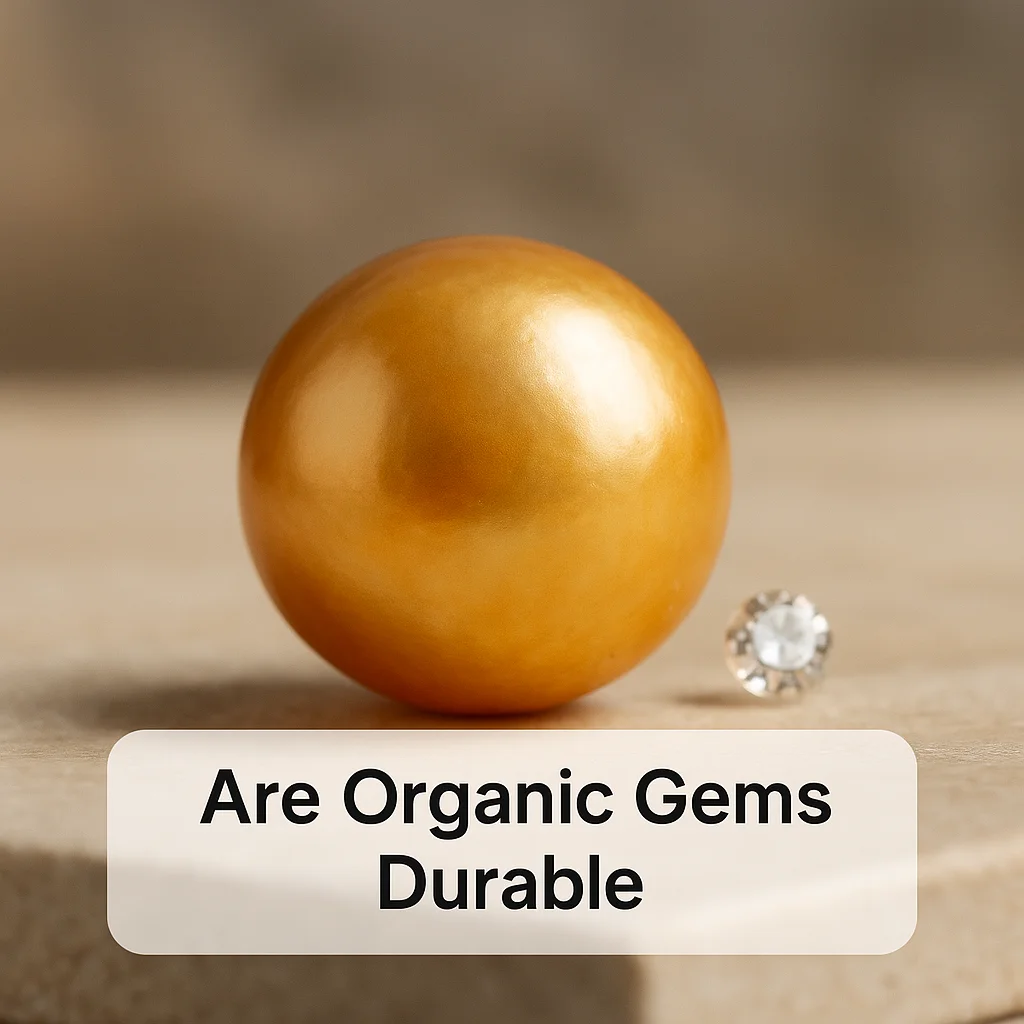
These gems are cherished for their natural beauty and unique characteristics. Pearls, for instance, are popular in jewelry design due to their lustrous appeal. Amber, fossilized tree resin, is appreciated for its warm hues and historical significance. Coral, formed from marine organisms, has attracted admirers for centuries with its striking colors.
In this article, you'll explore the appearance, properties, origin, care, and buying tips for organic gems. Understanding these aspects is essential for appreciating their value and ensuring their longevity.
🌍 Where It Comes From
Organic gems come from diverse environments and living organisms. Pearls are typically formed within the shells of certain mollusks, mainly oysters and mussels. These organisms reside in both freshwater and saltwater settings worldwide, from rivers in China to the oceans surrounding Japan and Australia.
Amber is primarily found in regions with ancient forests, as these locations provided the trees that produced the resin. The Baltic region is a well-known source of amber, but it can also be found in parts of the Dominican Republic, Mexico, and Myanmar.
Coral grows in warm, tropical ocean waters. Areas such as the Mediterranean Sea, the Red Sea, and the waters around Australia are famous for coral production. The environment influences the color and quality of the coral, making its origin noteworthy.
🔬 How It Forms
The formation of organic gems varies based on the type. Pearls form when an irritant enters a mollusk, prompting it to secrete layers of nacre, a blend of calcium carbonate and proteins, around the particle. Over time, these layers accumulate, creating a pearl.
Amber originates as tree resin, which undergoes fossilization over millions of years. The process involves the resin hardening and preserving anything trapped inside, such as insects or plant material, offering a glimpse into ancient ecosystems.
Coral is produced by marine polyps that secrete calcium carbonate. This build-up forms coral structures over time. The polyps rely on algae for color and sustenance, which contributes to coral's vibrant appearance.
🎨 Color and Look
Organic gems display a remarkable range of colors and patterns. Pearls can be white, cream, pink, silver, or even black, with iridescent luster that varies with the thickness and arrangement of nacre layers.
Amber ranges from pale yellow to rich brown, and sometimes even deep green or blue. Its transparency can vary, and it often contains fascinating inclusions, like ancient insects, which add to its allure.
Coral colors span from vivid reds and oranges to delicate pinks and white. Its surface can vary from smooth and polished to naturally textured. These colors and patterns can be influenced by treatments such as bleaching or dyeing, which are common in enhancing or stabilizing the appearance of the stone.
🧪 Properties That Matter
In terms of durability, each type of organic gem has distinctive properties. Pearls have a low Mohs hardness, typically around 2.5-4.5, making them susceptible to scratching. Their toughness is moderate, meaning they can chip if not carefully handled.
Amber is somewhat harder, with a Mohs hardness of 2-3, but its toughness is relatively low, making it prone to fracture. It keeps a resinous luster and is generally translucent to transparent.
Coral has a Mohs hardness of about 3-4, similar to pearls, with reasonable toughness. It often displays a vitreous to waxy luster. Understanding these properties helps in deciding how to best wear and utilize these gems.
✨ Meanings, Birthstones, and Culture
Organic gems hold various cultural significances and associations. Pearls, for instance, are the birthstone for June and symbolize purity and wisdom. They have been valued in many cultures, including those of ancient Rome and China.
Amber has been traditionally linked with protection and healing in folklore, viewed as a source of preserved life and energy. This gemstone connects with the sun’s warmth, which is symbolically important in many cultures.
Coral has been associated with protection against evil, as highlighted in Mediterranean cultures. It is also a traditional gift for children to safeguard them, symbolizing vitality and life force in various cultural narratives.
🧼 Care and Cleaning
Caring for organic gems requires gentle handling. For pearls, it is best to clean them with lukewarm soapy water and a soft cloth, avoiding harsh chemicals that can damage the nacre. Pearls should not be exposed to acids or extreme temperatures.
Amber should also be cleaned with mild soap and lukewarm water. To maintain its polish, use a soft cloth. Avoid exposing amber to prolonged sunlight, which may lead to fading.
Coral should be kept away from sharp impacts and harsh chemicals. Clean it gently with a damp soft cloth and store it away from direct sunlight to prevent fading and preserve its color.
🛒 Buying Tips and What to Check
When purchasing organic gems, consider factors like color, clarity, size, and shape, which influence quality and price. For pearls, the roundness and luster are crucial. Natural pearls are rare; most in the market are cultured.
With amber, look for clarity and inclusions, which can increase interest and value. Due to the prevalence of treated or synthetic amber, verifying authenticity becomes essential.
Coral should be evaluated for color consistency and surface quality. Ask for certification when buying high-value pieces, and inquire about any treatments. A reputable seller will provide detailed information on the gem’s origin and characteristics.
⚠️ Real vs Fake and Common Look-Alikes
Organic gems can have common look-alikes that may confuse buyers. For example, cultured pearls are often mistaken for natural pearls, but the latter are much rarer and more valuable. Synthetic pearls can usually be identified by their surface and weight.
Amber imitations are often made from plastic or glass, and natural inclusions are a key differentiator. Reconstructed or treated amber is prevalent, so professional testing is recommended for verification.
Coral imitations may be plastic or composite materials, often dyed to mimic real coral’s vibrant colors. Natural coral’s texture and weight help distinguish it from imitations, but thorough testing is necessary for confirmation.
❓ Common Questions and Misconceptions
Is it a mineral or a rock? Organic gems are neither; they originate from biological processes.
Is it a birthstone? Pearls, the most well-known organic gem, are the birthstone for June.
Will it scratch easily? Pearls and amber, with their low Mohs hardness, can scratch more easily than harder gemstones.
Can it go in water? Brief exposure to water for cleaning is fine, but prolonged soaking is not recommended.
Does color fade in sunlight? Amber and coral can fade with prolonged sun exposure.
What treatments are common? Pearls may be bleached, amber may be heat-treated, and coral can be dyed.
Is lab-grown 'fake'? Lab-grown gems are real but manufactured without the organic origins of natural gems.
How do I store it safely? Store in a soft pouch, away from other jewelry to prevent scratching.
Do inclusions always lower value? Inclusions in amber can boost interest and value by providing historical context.
How do I pick a good one for jewelry? Consider usage: more durable pieces suit daily wear, while softer gems might be best for occasional use.
📌 Summary
- Organic gems are derived from living organisms, including pearls, amber, and coral.
- They display unique colors and patterns influenced by their biological origins.
- Pearls form from nacre within mollusks, amber from fossilized resin, coral from marine polyps.
- Each has distinct hardness and toughness, influencing its durability in jewelry.
- Common treatments include dyeing, bleaching, and stabilizing processes.
- Gentle cleaning and specific storage practices are essential for their care.
- Best used in necklaces and earrings, avoiding daily wear rings.
- Common look-alikes include imitations and synthetics needing professional testing for verification.
- Authenticity is confirmed with lab reports when purchasing high-value stones.
- Buying tips include checking color, size, clarity, and seeking reputable sellers.
- Pearls link to June as a birthstone, while coral and amber hold cultural symbolism.
- Recognizing their origin and properties helps appreciate and care for these unique gems.