💎 Coral Care and Storage
🪨 What It Is
Coral is an organic gem, which means it originates from a living organism. Unlike minerals that form through geological processes, coral is created by marine invertebrates that secrete calcium carbonate, constructing intricate skeletons that often resemble delicate branches. These calcium structures are what eventually become the coral gems used in jewelry.
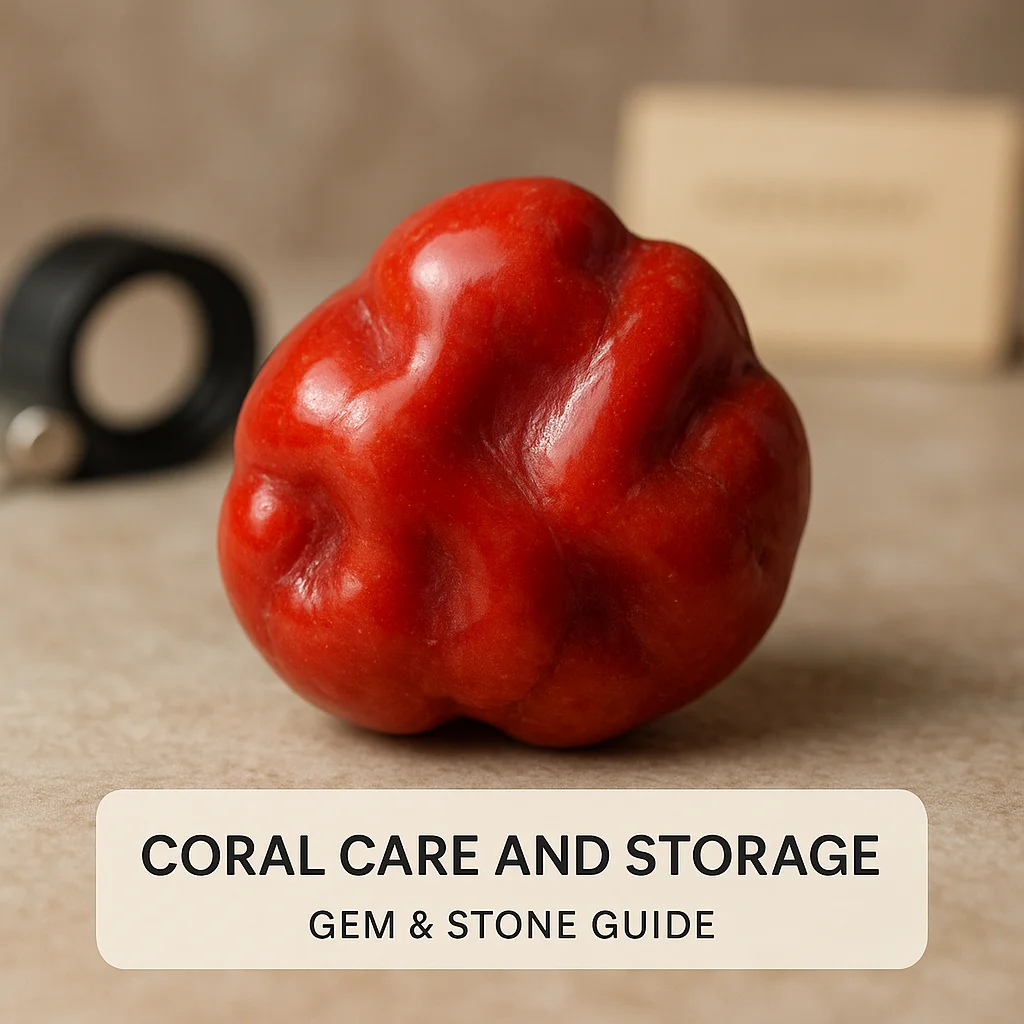
Coral is popular in jewelry making, especially due to its vibrant colors and unique patterns. It is appreciated not only for its beauty but also for its historical and cultural significance. As a jewelry stone, coral is often set into necklaces, bracelets, and earrings due to its distinctive colors and organic patterns.
This article will guide you through the essential aspects of coral, including its appearance, properties, origin, value, and tips for care and purchasing. You'll learn what sets coral apart from other gems and how to maintain its natural beauty over time.
🌍 Where It Comes From
Coral is primarily found in marine environments, where it thrives in warm, shallow waters. It is most commonly located in regions like the Mediterranean Sea, the Red Sea, and parts of the Pacific Ocean. The famous Great Barrier Reef off the coast of Australia is another significant coral-producing region.
These locations are ideal for coral growth because they offer the right temperature, sunlight, and water clarity. Coral reefs provide a diverse habitat, contributing to vibrant ecosystems that support numerous marine life forms.
The origin of coral can significantly impact its value and reputation in the market. Coral from certain regions might be more sought after due to its rich colors or perceived rarity, making the knowledge of its geographic origin an important consideration for buyers.
🔬 How It Forms
Coral forms over thousands of years through the accumulation of calcium carbonate structures secreted by small marine animals called polyps. These polyps form colonies and continuously build upon previous generations, creating complex reef systems.
The formation process is gradual and involves a cycle of life and death. As polyps die, their hardened skeletons remain and serve as the foundation for new polyps. Over time, the reef expands, with vibrant colors arising from the symbiotic relationship between coral and certain types of algae.
Coral's unique shapes and patterns are a result of its organic origins, differing from the typical crystalline forms of other gemstones. This natural beauty makes each coral gemstone unique and often highly desirable in the world of jewelry.
🎨 Color and Look
Coral is known for its captivating range of colors, typically including white, pink, red, orange, and blue. Its vibrant hues and organic patterns make it immediately recognizable. The most valued coral varieties are often deep red and often termed "oxblood" due to their richness.
The appearance of coral can be influenced by various factors, including its age, the water conditions where it grew, and potential treatments it has undergone. While natural coral is prized, dyed coral is also available, though it tends not to carry the same market value as its untreated counterparts.
When evaluating coral, consider its luster and texture, as both can affect its overall appeal. Well-polished coral exhibits a lovely shine that enhances its natural beauty, making it a popular choice for many types of adornments.
🧪 Properties That Matter
Coral generally ranks low on the Mohs hardness scale, usually around a 3 to 4, indicating that it is relatively soft and can be prone to scratches. This property means coral jewelry is best suited for pieces like necklaces and earrings, which are less exposed to everyday wear and tear compared to rings or bracelets.
Coral is not very tough, meaning it can chip or break if subjected to rough handling. It’s important to handle coral jewelry with care to avoid damage. Despite this, coral has a special appeal due to its unique luster and organic nature.
The luster of coral is typically dull to vitreous, which means that while it doesn’t have a highly reflective surface, it has a warm, glowing quality. This characteristic makes coral stand out, especially in softly lit settings.
✨ Meanings, Birthstones, and Culture
Culturally, coral has been treasured for centuries and is associated with protection, vitality, and longevity. In some cultures, it is believed to hold protective properties that ward off negativity. However, these attributes are more cultural traditions than scientifically proven facts.
Coral isn't specifically a birthstone in the traditional calendar, but it has been historically revered in many societies for its beauty and supposed mystical properties. Its distinctive appearance makes it popular for those who appreciate jewelry with a unique, natural origin.
Generally, coral jewelry is considered stylish and timeless, with modern designers continuously finding new ways to incorporate coral into contemporary designs, making it a beloved element in various collections.
🧼 Care and Cleaning
To preserve coral's natural beauty, it's essential to clean it gently. Use warm soapy water and a soft cloth to clean coral jewelry, avoiding harsh chemicals or abrasive materials that can damage its surface.
Because coral is porous and relatively soft, it should not be exposed to heat or prolonged soaking, which can cause discoloration or deterioration. Instead, wipe it clean after wear and ensure it's entirely dry before storage.
Store coral pieces separately from other jewelry to prevent scratches. Using a soft pouch or a separate compartment in a jewelry box can help maintain its appearance and prevent accidental damage.
🛒 Buying Tips and What to Check
When purchasing coral, color and evenness of hue are critical factors in determining value. Look for vibrant, consistent colors and minimal blemishes for the best quality pieces. Additionally, originality, such as the origin's reputation, can significantly influence the price.
Always inquire about potential treatments when buying coral. It's common for some corals to be dyed to enhance their colors, but untreated coral is usually more valuable. If purchasing high-value coral, consider obtaining a lab report to confirm its quality and treatment history.
For online purchases, ensure that you buy from reputable sellers who offer detailed photos, clear descriptions, and reasonable return policies. Reading customer reviews can also provide insights into a seller's reliability.
⚠️ Real vs Fake and Common Look-Alikes
Coral can be made in both natural and synthetic forms. While natural coral is sourced from the ocean, synthetic coral is laboratory-made to imitate its appearance. Both types are considered real but of different origins.
Imitation coral, often made from glass or plastic, is significantly less valuable but easy to identify by its lightweight feel and lack of natural inclusions. Assembled stones, like doublets or triplets, combine layers of natural and synthetic materials to create the appearance of a solid piece of coral.
Reliable identification of coral’s authenticity should always be conducted by a professional, as they have the expertise and tools required to distinguish between natural, synthetic, and imitation pieces.
❓ Common Questions and Misconceptions
Is coral a mineral or a rock? Coral is neither; it is an organic gem formed by marine organisms.
Is coral a birthstone? Coral is not traditionally assigned to any specific month as a birthstone.
Will coral scratch easily? Yes, coral is soft, with a Mohs hardness of 3-4, making it susceptible to scratches.
Can coral go in water? Avoid prolonged water exposure as coral is porous and might degrade.
Does coral color fade in sunlight? Yes, extended sunlight exposure can cause colors to fade over time.
What treatments are common in coral? Coral is often dyed to enhance or alter its color.
Is lab-grown coral considered fake? Lab-grown coral is real but synthetic, differing from natural coral in its origin.
How do I store coral safely? Store coral separately in a soft pouch to prevent scratches and damage.
Do inclusions always lower coral's value? Inclusions can affect appearance but are part of coral’s natural charm.
How do I pick a good coral for jewelry? Look for vibrant color, minimal blemishes, and consult experts when uncertain.
📌 Summary
- Coral is an organic gem formed by marine organisms, not a mineral.
- Typical colors include red, pink, white, and blue with vibrant hues.
- Coral forms over time as polyps secrete calcium carbonate structures.
- It is soft on the Mohs scale, best for gentle wear pieces like pendants.
- Color treatments are common and should be disclosed upon purchase.
- Clean with soapy water, store separately, and avoid harsh chemicals.
- Ideal for necklaces and earrings due to its lower durability.
- Common look-alikes include synthetic and imitation glass/plastic pieces.
- Authenticity is confirmed through professional testing and reports.
- Buying checklist includes color, clarity, seller reputation, and return policy.
- Coral holds cultural traditional significance but is not a birthstone.
- An enduring natural gem, coral's charm lies in its organic beauty and unique patterns.