💎 Coral Pink
🪨 What It Is
Coral Pink is not a single gemstone or mineral, but rather a term used to describe a soft, gentle pink hue found in various gemstones and organic materials. It is most commonly associated with materials like coral and some types of pearls. Additionally, certain types of calcite and other minerals can exhibit this color.
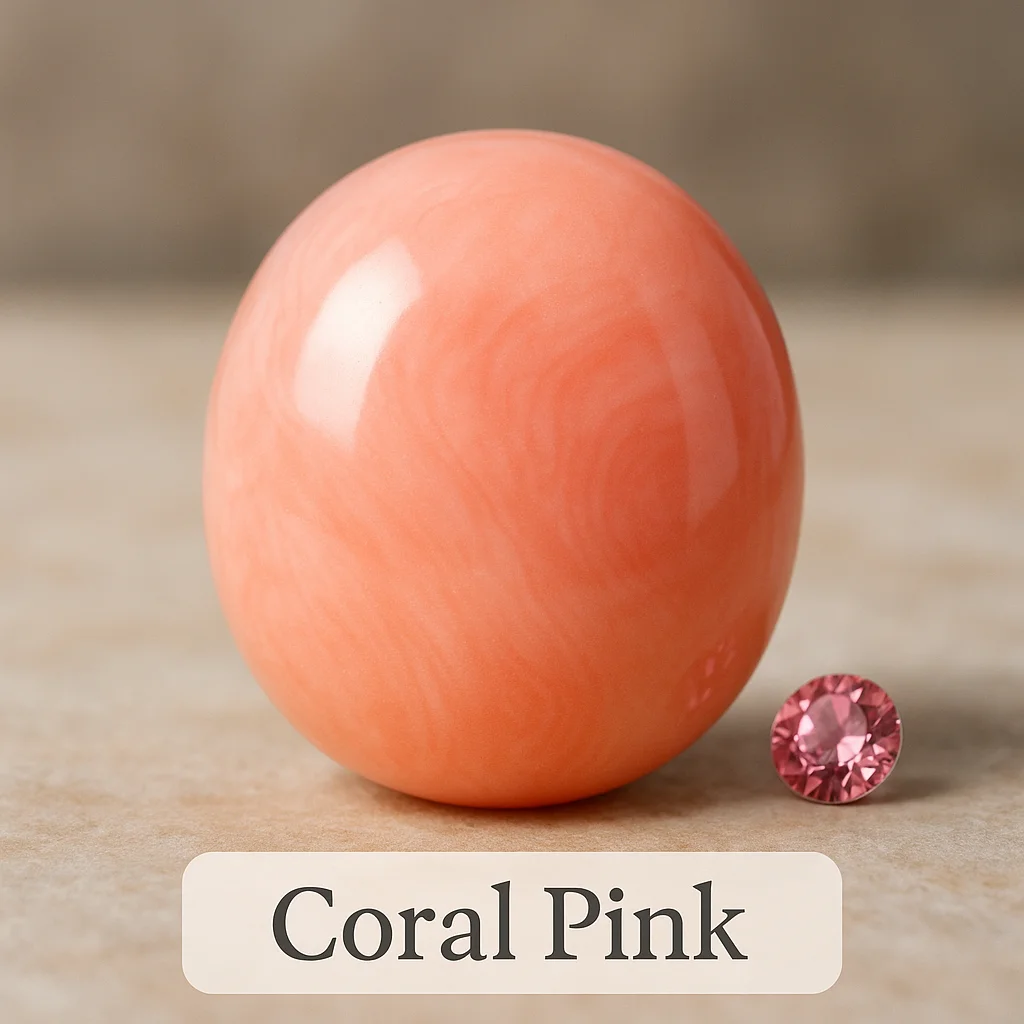
Often prized for its delicate and inviting appearance, Coral Pink is popular in jewelry, especially as beads and cabochons in necklaces, bracelets, and earrings. This versatile shade complements a wide range of skin tones and metal settings.
In this article, you will learn about the origins, properties, and care considerations associated with stones and materials exhibiting this charming hue. We'll also provide tips on what to look for when purchasing Coral Pink items.
🌍 Where It Comes From
Coral, known for its pink varieties, is an organic material formed by marine organisms called coral polyps. These polyps deposit calcium carbonate to create exoskeletons in warm, shallow waters of coral reefs and atolls. Regions known for coral harvesting include parts of the Mediterranean Sea, off the coasts of Japan, and certain areas in the Pacific Ocean.
The pink to red color range of coral is often linked to the specific environmental conditions of its formation, such as water temperature and the presence of specific algae. Sustainable harvesting practices are crucial as coral reefs are vital ecosystems vulnerable to environmental changes.
While natural coral can be expensive and subject to legal protections due to conservation concerns, dyed and synthetic options provide more affordable and ethical alternatives. Coral Pink calcite, another less common material, forms in sedimentary environments such as cave deposits.
🔬 How It Forms
Coral Pink arises from different processes depending on the material. Marine coral, for example, forms from the secretion of calcium carbonate by coral polyps over millions of years. The pink hues develop from pigmentation within the coral polyps or the surrounding environment.
For other minerals like calcite, the pink coloration can derive from trace elements or impurities during formation. Calcite crystals often form in sedimentary rock settings, sometimes precipitating in open caves and fissures where water can introduce color-inducing minerals.
These materials do not exist as traditional crystals like some gemstones do, but exhibit unique textural and structural properties that contribute to their distinctive look and feel.
🎨 Color and Look
The Coral Pink color is best described as a light pink with possible interplays of orange or red tones. The exact hue can depend on the material, such as coral or calcite, and the environmental conditions during formation.
Gem cutters often shape coral as cabochons or beads to highlight its color without facets. For coral, its luster ranges from glassy to matte, while calcite might exhibit a vitreous or waxy sheen. Uniform color is generally desirable, though some variations can add unique character.
To enhance color, treatments like dyeing are frequently applied, especially to commercially available coral. It's important to ask about such enhancements when purchasing, as treatments can influence both price and care requirements.
🧪 Properties That Matter
In terms of durability, coral ranks low on the Mohs hardness scale, typically around 3 to 4. This makes it sensitive to scratching, chipping, and wear, hence more suitable for earrings and necklaces rather than rings or bracelets subjected to impact.
Its toughness or resistance to chipping is moderate, and coral has no cleavage, meaning it does not break along specific planes. Its luster is usually described as dull to waxy, depending on its surface finish after polishing.
The porosity of coral requires gentle care, as it can absorb liquids or stains. Due to its soft nature, caution should be exercised in everyday use, favoring more protective settings or occasional wear.
✨ Meanings, Birthstones, and Culture
Traditionally, coral is associated with protection, diplomacy, and emotional balance. In some cultures, it is believed to provide protection against evil and to bring good fortune to those who wear it.
Coral holds symbolic significance and is a popular ornament in many cultural traditions. As it is not a specific birthstone, it does not hold any particular month association but is often gifted for its symbolic aspects rather than any formal astrological connections.
In modern jewelry practices, coral is appreciated primarily for its aesthetic appeal and unique origins, making it a suitable choice for artisan and heirloom pieces, often treasured across generations.
🧼 Care and Cleaning
Due to its softness and porosity, cleaning Coral Pink items requires gentle methods. The recommended approach involves using lukewarm soapy water and a soft cloth. Avoid soaking coral in water to prevent structural damage.
Avoid using harsh chemicals or ultrasonic cleaners, which can harm the delicate coral material. It's important to remove coral jewelry when swimming in chlorinated water or applying personal care products such as hairspray and perfume.
Store Coral Pink items separately from harder materials that might scratch them. Use a soft-lined box or pouch to protect against dust and scratches, maintaining their pleasing appearance over time.
🛒 Buying Tips and What to Check
When purchasing Coral Pink materials, color consistency, material quality, and size influence value. Natural versus synthetic or treated materials reflect significant price variations. It's wise to request clarity on any treatments before purchasing, as these can affect both price and long-term value.
Consider obtaining a gemological report or third-party verification for high-value pieces to confirm authenticity and quality. Such reports provide professional assurance about key attributes like origin and any color enhancements.
When buying online, check for clear images, a detailed description, and the seller's return policy. Reputable sellers should disclose any treatments and provide evidence of reliability through customer reviews or memberships in gemstone or jewelry associations.
⚠️ Real vs Fake and Common Look-Alikes
Naturally formed coral may face challenges from imitations like dyed plastic or glass. Synthetic or lab-grown versions exist and can offer ethically sustainable alternatives.
Common look-alikes include pink mother-of-pearl or dyed agate, which may be mistaken for coral due to similar colorations. Assembled stones, like doublets or triplets, might combine genuine coral with synthetic components, offering a visual likeness.
Reliable identification requires professional evaluation through gemological testing. Avoid risky home experiments that might damage the material or provide unreliable results.
❓ Common Questions and Misconceptions
Is it a mineral or a rock? Coral is organic, not a mineral or rock, made from living organisms in the ocean.
Is it a birthstone? Coral is not a traditional birthstone but is appreciated for its symbolic meanings.
Will it scratch easily? Yes, with a Mohs hardness of 3 to 4, coral is prone to scratching.
Can it go in water? Avoid prolonged soaking; brief gentle cleaning is safe.
Does color fade in sunlight? Intense sunlight can fade coral’s color, so storage away from direct light is ideal.
What treatments are common? Dyeing is a frequent practice to enhance color in coral jewelry.
Is lab-grown 'fake'? Lab-grown coral isn't fake but offers a non-natural, ethical alternative.
How do I store it safely? Store coral in a soft bag or case separately to avoid scratches or damage.
Do inclusions always lower value? In coral, irregularities contribute unique character, not always reducing value.
How do I pick a good one for jewelry? Look for rich, even coloration and clarity about any enhancements or treatments.
📌 Summary
- Coral Pink is an organic material commonly from coral or certain types of pearls.
- Typical colors range from pink to red and can include orange tones.
- Forms via marine processes or sedimentary deposition.
- Soft, with a Mohs hardness of 3 to 4; store and wear with caution.
- Commonly dyed to enhance color; disclosure is key in pricing.
- Clean with gentle soapy water and a soft cloth.
- Best for jewelry like necklaces and earrings; avoid impact items like rings.
- Look-alikes include dyed agate, mother-of-pearl.
- Authenticity confirmed through gemological reports.
- Buy with attention to color, authenticity, seller credibility.
- Not a birthstone but part of cultural traditions for protection.
- Memorable for its natural beauty and balance of aesthetic appeal and cultural significance.