💎 Coral Red
🪨 What It Is
Coral Red is an organic gemstone, notably different from mineral-based stones. It originates from the skeletal remains of marine animals known as corals, primarily composed of calcium carbonate. Coral gemstones are cherished for their unique natural beauty and the vibrant red hues that make them a popular choice in jewelry.
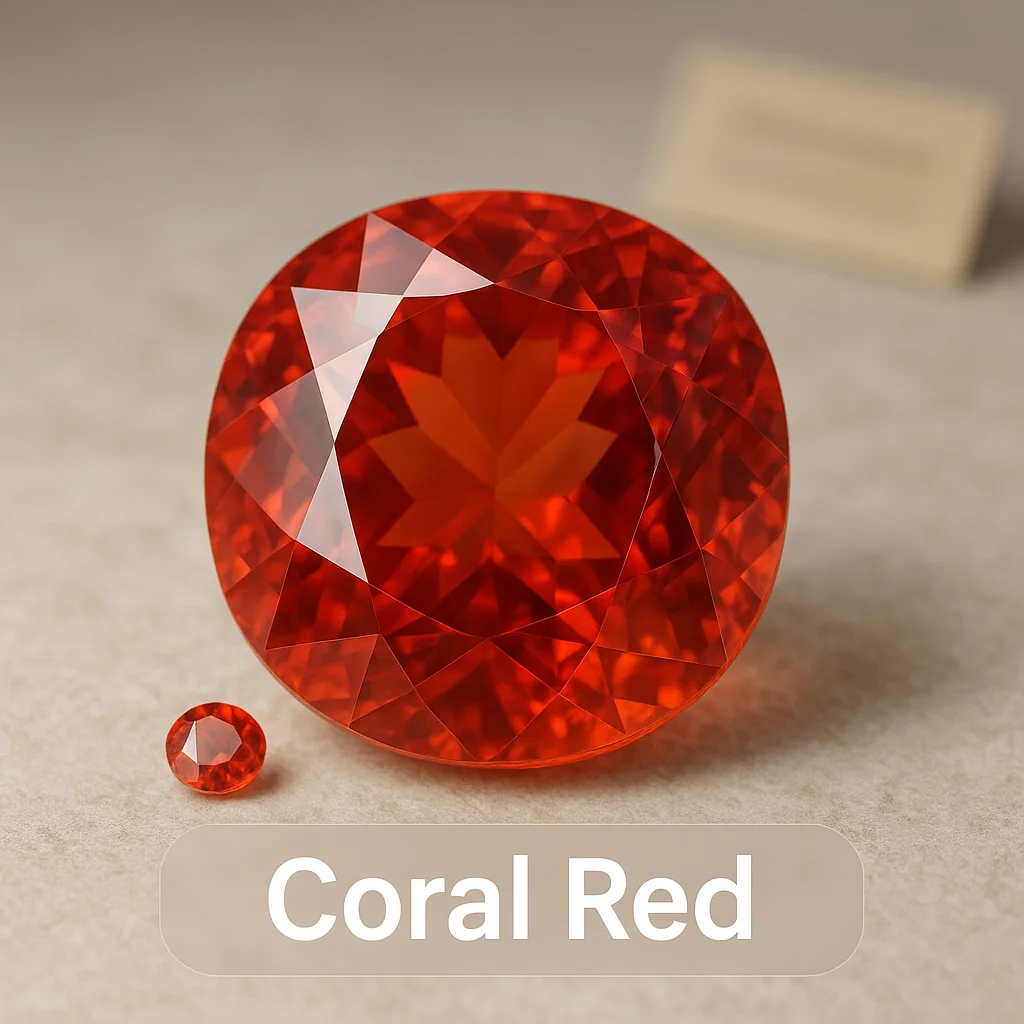
The allure of Coral Red lies in its warm, inviting color that ranges from soft pinks to deep, rich reds. As an organic gem, it has been used in adornments and artifacts for thousands of years. Coral Red is one of the distinct varieties of coral used in jewelry, celebrated for its striking appearance.
In this article, you will learn about Coral Red's formation, properties, care tips, and essential information when considering it for purchase. Whether you are a collector or someone interested in vibrant jewelry, understanding Coral Red will enhance your appreciation and selection of this unique gem.
🌍 Where It Comes From
Coral Red is primarily found in marine environments, forming over thousands of years in underwater coral reefs. These reefs are prevalent in warm, shallow waters where the right conditions allow for corals to thrive. Most prominent locations include parts of the Mediterranean Sea, as well as regions in Japan and the Pacific Ocean.
Geological environments that support coral growth are linked with sedimentary settings. The warm temperatures typical of tropical oceans, coupled with sunlight, provide an ideal habitat for corals. The accumulation of coral skeletons over long periods creates the material used to craft Coral Red gems.
The origin of Coral Red can influence its color and quality, with Mediterranean coral often prized for its intense color and dense structure. When considering coral gemstones, understanding the source can help gauge their value and ensure sustainability, given the environmental impact of coral harvesting.
🔬 How It Forms
Coral Red forms from the gradual accumulation of the calcareous skeletons of marine polyps, tiny sea creatures that live in colonies. Over time, these skeletons build complex structures known as coral reefs. As polyps secrete calcium carbonate, the structure grows, and upon death, these skeletons remain, forming the gemstone material.
The vibrant red color of Coral Red can vary depending on the specific type of coral and environmental factors. Iron content is often one of the trace elements influencing the intensity of the red hue. Various conditions, including water temperature and light exposure, can impact the coloration and quality of coral.
Coral Red typically forms in a branching or nodular habit, which artisans cut and polish to enhance its natural beauty. The formation process makes each piece unique, contributing to the charm and appeal of coral jewelry.
🎨 Color and Look
Coral Red is renowned for its striking appearance, characterized by deep red tones that can range from light pinks to dark, blood-red hues. The consistency of color throughout the coral piece is a desirable quality, often affecting its value in the jewelry market.
The visual appeal of Coral Red comes from its natural, opaque luster. Unlike faceted gemstones, coral is typically cut into beads, cabochons, or carved into intricate designs to highlight its natural beauty. The surface of coral may display a natural pattern or texture that adds to its unique character.
Common treatments to enhance Coral Red include dyeing to intensify or even out its color. This is a widespread practice, and transparency about such treatments is crucial for prospective buyers. Polishing can enhance the natural luster of coral, making it more attractive for use in jewelry pieces.
🧪 Properties That Matter
Coral Red has a Mohs hardness of around 3 to 4, which indicates its relative softness compared to other gemstones. This means it can scratch or chip more easily than harder stones but is still suitable for a variety of jewelry uses with proper care.
The toughness of Coral Red can be described as adequate for many jewelry items like pendants and earrings, although it requires more cautious handling when used in rings subjected to daily wear. The lack of perfect cleavage means it does not split as predictably as crystalline gems.
The luster of Coral Red is characteristically waxy or vitreous, providing a soft glow rather than a sparkling brilliance. Coral is opaque, meaning it does not allow light to pass through, which complements its luster and rich color in jewelry settings.
✨ Meanings, Birthstones, and Culture
Traditionally, Coral Red has been associated with protection, vitality, and energizing properties in various cultures. In some myths, coral is believed to provide healing powers and protection over travelers. However, these attributes are viewed more as cultural symbolism rather than scientifically proven effects.
Coral is not traditionally associated with any specific birth month but has been used in jewelry for its aesthetic appeal and cultural significance. It continues to play a role in modern jewelry traditions as a cherished accessory representing elegance and warmth.
In cultural practices, Coral Red has held significant roles in talismans and amulets, particularly in ancient Mediterranean cultures. Its vibrant color and organic origins make it a fascinating subject in folklore and arts across various societies.
🧼 Care and Cleaning
Coral Red requires gentle care to maintain its beauty. Cleaning with mild soap and lukewarm water is recommended while using a soft cloth to avoid scratching the surface. Harsh chemicals, strong detergents, and ultrasonic cleaners should be avoided as they can damage the stone.
Coral Red should not be exposed to high temperatures or sudden temperature changes, as such conditions can cause cracks or fading. Long soaking should be avoided to prevent damage to its delicate structure.
For storage, Coral Red should be kept separate from harder gemstones to prevent scratches. Wrapping it in a soft cloth or storing it in a fabric-lined box can help maintain its condition over time.
🛒 Buying Tips and What to Check
The price and quality of Coral Red are influenced by its color, size, polish, and presence of treatments. Deep, evenly distributed red hues are often more valuable. Asking about the origin and any treatments is essential when purchasing coral jewelry.
For high-value pieces, requesting a lab report can provide insights into the stone's authenticity and any enhancements. Lab reports are beneficial for verifying species, treatments, and occasionally origin, although they do not guarantee value.
When buying Coral Red online, ensure the seller is reputable, offers clear photographs, and provides a return policy for buyer protection. Disclosure of treatment and material specifics should be readily available to ensure an informed purchase.
⚠️ Real vs Fake and Common Look-Alikes
Natural Coral Red can be distinguished from synthetic versions and imitations made of glass or plastic by its unique texture and structure. Synthetic or lab-grown coral mimics natural coral but is created in controlled environments rather than formed in the ocean.
Imitation coral often lacks the subtle patterns and textures of real coral. Assembled stones, known as doublets or triplets, may consist of a thin slice of coral bonded to another material to enhance its appearance or create suitable jewelry features.
Common look-alikes include red glass beads and plastic imitations. Reliable identification typically requires professional testing to verify a coral's authenticity due to the difficulty of differentiation with untrained eyes.
❓ Common Questions and Misconceptions
Is it a mineral or a rock? Coral Red is an organic gem, not a mineral or rock.
Is it a birthstone? Coral is not a traditional birthstone.
Will it scratch easily? Coral Red has a low hardness, making it prone to scratches.
Can it go in water? Brief contact with water is safe, but avoid long soaking.
Does color fade in sunlight? Prolonged exposure to sunlight may cause fading.
What treatments are common? Dyeing to enhance or even color is common.
Is lab-grown 'fake'? Lab-grown coral replicates natural characteristics but is not formed in the ocean.
How do I store it safely? Store Coral Red separately in a soft cloth to prevent scratches.
Do inclusions always lower value? While inclusions may affect value, they can add character.
How do I pick a good one for jewelry? Look for consistent color, polish, and origin clarity.
📌 Summary
- Coral Red is an organic gemstone, not a mineral.
- It displays vibrant red tones, ranging from pink to deep red.
- Forms from calcium carbonate structures of marine polyps over time.
- Mohs hardness of 3-4 requires careful handling in jewelry.
- Commonly treated with dyes to enhance color.
- Gentle cleaning and separate storage are recommended.
- Ideal for pendants, earrings, care needed for rings.
- Red glass and plastic are common look-alikes.
- Authenticity confirmed by professional testing.
- Verify origin, treatments, and return policy when buying.
- Symbolically associated with protection and energy in cultures.
- Recognizable by its unique patterning and texture.