💎 Cowrie Shell Jewelry Guide
🪨 What It Is
Cowrie shells, unlike traditional gemstones, are natural marine shells of small to large sea snails. These shells have been used in jewelry and adornment for centuries. As organic gems, they are distinctive from mineral-based stones and hold a unique place in jewelry collections.
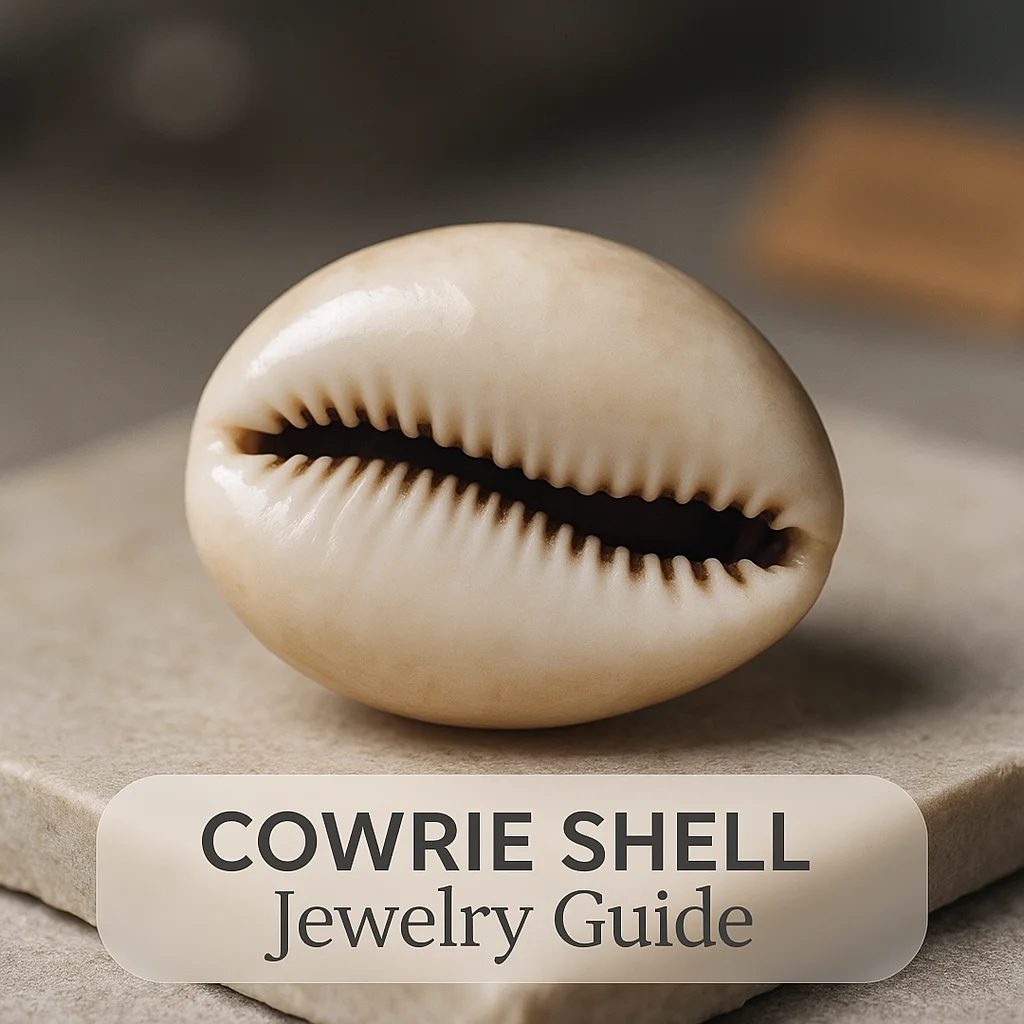
Cowrie shells have been popular in various cultures for their smooth surface and pleasing gloss. They are sometimes incorporated into jewelry such as necklaces, bracelets, and earrings. In some cultures, they are also traditionally considered a symbol of good luck and protection.
In this guide, you will learn about the appearance, properties, origins, and care of cowrie shells in jewelry. We will also discuss buying tips and common misconceptions to help you make informed decisions about cowrie shell jewelry.
🌍 Where It Comes From
Cowrie shells are sourced from marine environments, including coral reefs and shallow coastal waters, primarily in tropical and subtropical regions. They are abundant in areas like the Indian Ocean, the Pacific Ocean, and the coasts of Africa and Asia.
The origin of cowrie shells often influences their size, color, and shape. For example, certain regions might produce shells with distinctive hues or patterns due to local ecological factors. While the specific region may not heavily influence market price, it can add to the uniqueness and appeal for collectors.
When purchasing cowrie shell jewelry, understanding their origin can provide insight into their characteristics and how they've been traditionally valued in various cultures. Shells from different areas might have distinct appearances, which could influence your choice based on personal aesthetic preferences.
🔬 How It Forms
Cowrie shells are formed by marine snails as part of their protective exoskeleton. These organisms secrete calcium carbonate, which solidifies to form the smooth and often brightly colored shell. The formation process occurs naturally as the snail grows, adding layers to its shell.
The shapes and designs on cowrie shells are unique to each species and are generally determined by factors like genetics and environmental conditions. With time and pressure from water currents, the shell acquires a polished look, making them suitable for jewelry.
The shells come in various sizes, often collecting into large groups, which are then harvested for jewelry making. The common species used in jewelry are Cypraea moneta and Cypraea tigris, known for their appealing appearance and durability.
🎨 Color and Look
Cowrie shells typically display a range of colors, from creamy whites to rich browns, with some exhibiting beautiful spots or banded patterns. This visual appeal is enhanced by their naturally glossy finish, a result of the shell's smooth surface.
The appearance of cowrie shells can be influenced by their cut and polish, with finer finishes enhancing their luster. Most cowrie shells are not treated extensively, but minor polishing might be done to enhance their natural sheen.
The natural patterns and colors are intrinsic to the type of cowrie shell, influenced by the environment and species of the snail producing them. This innate variety allows for diverse uses in jewelry creation, suitable for different design preferences.
🧪 Properties That Matter
Cowrie shells are quite sturdy due to their calcium carbonate composition, yet they are relatively softer compared to mineral gemstones. This means that while they won't scratch easily in jewelry use like pearls or opals, care should still be taken to avoid harsh impacts.
The shells have good toughness, providing resistance to chipping. However, they should be protected from heavy knocks, especially in daily wear rings. The lack of cleavage in cowrie shells reduces the potential for splitting, making them suitable for various jewelry types.
With regards to luster, cowrie shells have a distinctive sheen that can be accentuated through careful polishing, making them attractive in both casual and formal jewelry settings.
✨ Meanings, Birthstones, and Culture
Cowrie shells hold significant cultural symbolism across various traditions. They are often associated with prosperity, wealth, and fertility. In some African cultures, they were historically used as currency.
Though not officially recognized as a birthstone, cowrie shells have cultural associations that make them a meaningful choice for personal adornment in many parts of the world.
The traditional use of cowrie shells in jewelry and ceremonial objects speaks to their enduring appeal and cultural importance, often seen as symbols of protection and transition.
🧼 Care and Cleaning
Cleaning cowrie shell jewelry typically involves gentle soap and water, along with a soft cloth to maintain their glossy finish. Harsh chemicals or abrasive materials should be avoided to prevent dulling the shell’s surface.
Due to their organic nature, cowrie shells should not be exposed to prolonged soaking or extreme temperature changes. Store them in a soft pouch or separate compartment to avoid scratches from other jewelry.
Regular inspection of cowrie shells for chips or damage can help extend their lifespan as a jewelry piece and preserve their natural charm.
🛒 Buying Tips and What to Check
When buying cowrie shell jewelry, consider factors such as the consistency in shape, the integrity of the shell, and the overall polish and luster. While cowrie shells are typically not subject to treatments, confirming this with the seller is a good practice.
Authenticity is rarely a concern, but ensuring that the seller is reputable can prevent purchasing inferior quality items. A lab report is generally unnecessary, but clear photographic evidence of the item can help validate your expectations.
A beginner buying checklist would include completion of return policies, seller reputation checks, and clear understanding of what is being disclosed regarding the cowrie shell's condition and origins.
⚠️ Real vs Fake and Common Look-Alikes
In the world of cowrie shell jewelry, artificial imitations may capitalize on the shell's iconic look. Such imitations could be made from glass or plastic, offering a similar visual appearance but lacking the authenticity and natural luster of real cowries.
Identifying genuine cowrie shells can usually be done through its weight, texture, and luster, but professional testing is advised for certainty. Look-alikes are more common in fashion jewelry, used for budget-friendly alternatives.
Understanding the differences between natural, synthetic, and imitation cowrie shells can help ensure that your purchase meets your expectations and is authentic.
❓ Common Questions and Misconceptions
Is it a mineral or a rock? Cowrie shells are neither; they are organic, formed by marine snails.
Is it a birthstone? No, cowrie shells are not officially recognized as birthstones.
Will it scratch easily? Generally, cowrie shells have a good toughness and aren’t prone to scratching easily in regular wear.
Can it go in water? Yes, for cleaning purposes, but avoid prolonged soaking.
Does color fade in sunlight? Cowrie shells are relatively stable, but extended exposure to sunlight may affect the color over time.
What treatments are common? Most cowrie shells are untreated; however, minor polishing to enhance appearance is common.
Is lab-grown 'fake'? Cowrie shells aren't typically lab-grown; imitations are made from synthetic materials like plastic.
How do I store it safely? Store in a soft pouch or separate compartment to prevent scratching.
Do inclusions always lower value? In cowrie shells, internal features usually do not influence value significantly.
How do I pick a good one for jewelry? Look for even coloration, smooth surface, and an appealing polish.
📌 Summary
- Cowrie shells are organic, smooth marine shells used in jewelry.
- They typically range in color from cream to brown, with glossy patterns.
- Formed by marine snails, they grow by adding layers over time.
- Good toughness makes them suitable for various jewelry; gentle care is needed.
- Commonly not treated, but polishing enhances their natural sheen.
- Use gentle soap and water; avoid harsh chemicals for cleaning.
- Ideal for necklaces, bracelets, and earrings due to their durability and look.
- Plastic imitators exist, mainly in fashion jewelry; authentic shells are more coveted.
- Lab tests offer assurance of authenticity; tests should be done professionally.
- Choosing well-polished, naturally glossy pieces can enhance enjoyment and longevity.
- Cowrie shells reflect cultural traditions more than jewelry industry standards.
- Always base decisions on personal preference and reliable sources for best enjoyment.