💎 Pearl Freshwater
🪨 What It Is
Pearl freshwater, unlike many gemstones that are minerals, is an organic gem created by mollusks such as oysters and mussels. Known for their lustrous appeal, these pearls have been cherished throughout history for their natural beauty.
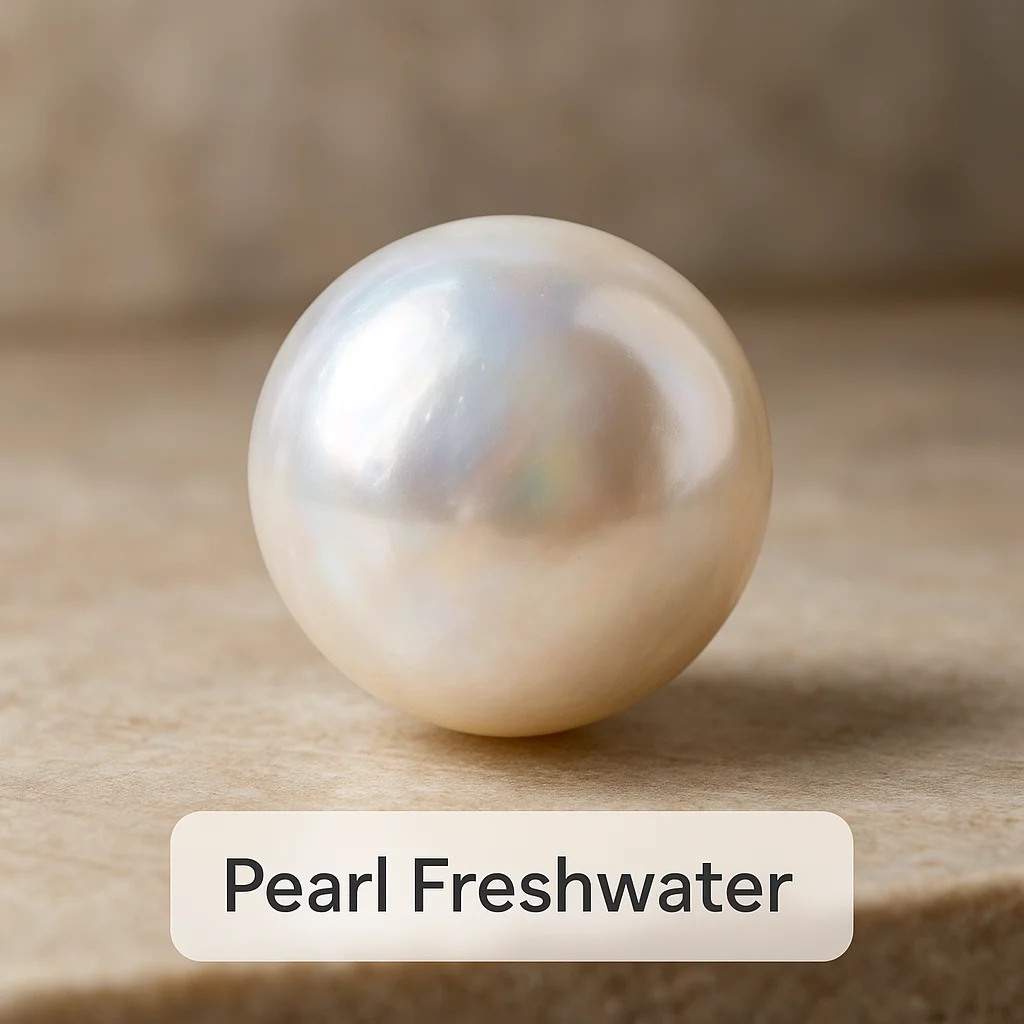
While pearls in general come in both saltwater and freshwater varieties, freshwater pearls are often prized for their diverse shapes and wide array of colors. They are a popular choice in jewelry making, thanks to their affordability compared to their saltwater counterparts.
Pearl freshwater is often seen adorning necklaces, bracelets, and earrings. In this article, we will explore their appearance, properties, origin, care tips, and buying advice, ensuring you have a comprehensive understanding of these stunning organic gems.
🌍 Where It Comes From
Freshwater pearls are typically found in mollusks that dwell in rivers, lakes, and ponds. The freshwater environment plays a crucial role in the development of these pearls, allowing them to form under relatively stable conditions. Unlike the more limited settings of saltwater pearls, their freshwater counterparts can be grown in a wide range of geographical areas.
China is renowned as the largest producer of freshwater pearls, cultivating them on a large scale. Other countries with notable freshwater pearl production include Japan and the United States, specifically Tennessee. The choice of location can impact the color and quality of the pearls due to variations in water chemistry and other environmental factors.
Pearls from different regions can carry distinct characteristics. For example, Chinese freshwater pearls are often celebrated for their variety in color and affordable pricing, while Japanese pearls might be valued for their traditional shapes and luster. Understanding the origin of a pearl can offer insights into its potential quality and classification in the market.
🔬 How It Forms
The formation of freshwater pearls begins when an irritant, such as a small piece of tissue or debris, enters a mollusk. In response, the mollusk produces layers of nacre, a composite material consisting mainly of aragonite (a form of calcium carbonate) and conchiolin, which slowly encapsulates the irritant.
This process of layering continues over several years, resulting in the pearl's final size and luster. Unlike saltwater pearls, where an implanted bead typically catalyzes the formation, freshwater pearls rarely have a bead nucleus and are instead grown from a tissue nucleus, contributing to their unique shapes.
The environment plays a critical role in the color and shape of the formed pearl. Factors such as water temperature, mineral content, and the mollusk species significantly influence the formation process, leading to a variety of colors and shapes.
🎨 Color and Look
Freshwater pearls are renowned for their diverse palette, ranging from classic white, cream, and pale pink to more exotic hues like lavender, peach, and gold. The interplay of light with nacre layers results in an iridescent sheen known as "orient," a prized optical effect in quality pearls.
The shape of freshwater pearls can vary greatly. Common shapes include button, round, oval, and baroque. Baroque pearls, in particular, are irregularly shaped and popular for their unique character.
Treatments such as dyeing are sometimes applied to enhance or alter a pearl's color. While dyeing is accepted in the pearl industry, it's important for buyers to know whether a pearl's color is natural or treated. Proper disclosure of treatments is a sign of reputable selling practices.
🧪 Properties That Matter
Understanding the properties of pearls is crucial for selecting the right piece for your needs. Freshwater pearls have a Mohs hardness of about 2.5 to 4.5, making them relatively soft compared to gems like diamonds. This means they can scratch or abrade with more ease.
Despite their softness, freshwater pearls are known for their toughness, meaning they do not easily chip or fracture. This makes them suitable for pendants and earrings, though caution is advised for rings or bracelets that experience more wear.
The luster of freshwater pearls is one of their defining features, highlighting the quality of the nacre's surface. The better the luster, the more valuable the pearl generally is. Transparency is not a factor, as pearls are opaque.
✨ Meanings, Birthstones, and Culture
Pearls have been traditionally associated with purity, wisdom, and wealth. As a June birthstone, pearls are said to represent the cleansed heart and innocence, tying into various cultural narratives worldwide.
In many societies, pearls are considered a classic choice for wedding jewelry, symbolizing a pure new beginning. They are also worn by individuals seeking timeless elegance in both casual and formal settings.
From historical times through to modern-day, pearls have been regarded as treasures of the sea, holding a place of significance in rituals and ceremonial garb across a multitude of cultures.
🧼 Care and Cleaning
Caring for freshwater pearls involves gentle methods that preserve their delicate surface. Cleaning should be done with lukewarm water mixed with mild soap. Use a soft cloth to wipe them gently, avoiding abrasive materials.
It is advisable to avoid exposing pearls to harsh chemicals such as perfumes, hair sprays, or cleaning fluids, as these can damage the nacre. This precaution ensures the longevity and luster of your pearls.
For storage, it is best to place pearls in a soft pouch away from metal or gemstones that might scratch them. Avoid long-term exposure to sunlight which can lead to color fading over time.
🛒 Buying Tips and What to Check
When purchasing freshwater pearls, factors such as color, luster, size, shape, and surface quality play a vital role in determining their value. Round pearls with high luster and minimal blemishes are often the most sought after.
Ask sellers about any treatments that the pearls may have undergone, as these affect the price and should be disclosed. Lab reports, although not common for pearls, can sometimes provide verification of authenticity, especially for higher value pieces.
For online purchases, check the seller's return policy and reputation, ensuring there are multiple clear photos to assess the pearls' appearance. Be cautious of overly polished descriptions and too-good-to-be-true pricing.
⚠️ Real vs Fake and Common Look-Alikes
The market for pearls includes natural, cultured, and imitation varieties. While natural pearls are rare due to environmental and human impact factors, most pearls sold today are cultured.
Synthetic pearls can be lab-grown, designed to mimic natural growth patterns, while imitation pearls are often made from glass or plastic with a pearlescent coating. Natural pearls typically have a more heavy and gritty feel compared to lightweight fakes.
Commonly confused peers include mother-of-pearl, which is actually the inner shell layer of mollusks, and synthetic simulants. Professional assessment is recommended to definitively identify real pearls from their look-alikes.
❓ Common Questions and Misconceptions
Is it a mineral or a rock? Pearl is an organic gem, not a mineral or rock.
Is it a birthstone? Yes, it is one of the birthstones for June.
Will it scratch easily? Yes, due to its lower Mohs hardness.
Can it go in water? Briefly, but avoid long soaking.
Does color fade in sunlight? Direct sun exposure can cause fading over time.
What treatments are common? Dyeing is a common treatment for color enhancement.
Is lab-grown "fake"? Lab-grown pearls are cultured and not considered fake.
How do I store it safely? In a soft cloth or pouch, away from other jewelry.
Do inclusions always lower value? Not always, but high luster and minimal blemishes tend to increase value.
How do I pick a good one for jewelry? Look for high luster, good surface quality, and even shape.
📌 Summary
- Pearl freshwater is an organic gem formed by mollusks.
- Typically exhibits white, pink, lavender, and other hues.
- Forms when nacre layers encase an irritant in mollusks.
- Soft on Mohs scale; best worn in necklaces, earrings, not rings.
- Common treatments include dyeing for color improvement.
- Gentle washing and careful storage are recommended.
- Ideal for timeless jewelry; best used where friction is less.
- Look-alikes include imitation glass or plastic pearls.
- Authenticity can be confirmed through professional evaluation.
- Quality is determined by luster, surface, shape, and size.
- Associated with purity (cultural) and as a June birthstone.
- Pearls remain a beloved choice for elegant and meaningful jewelry.