💎 Pearl South Sea
🪨 What It Is
Pearl South Sea is a type of pearl known for its luxurious size and lustrous finish, making it one of the most sought-after pearls in the jewelry industry. Pearls are organic gems formed inside the shells of certain mollusks, most notably oysters and mussels. Unlike gemstones that are mined, pearls are harvested from living creatures.
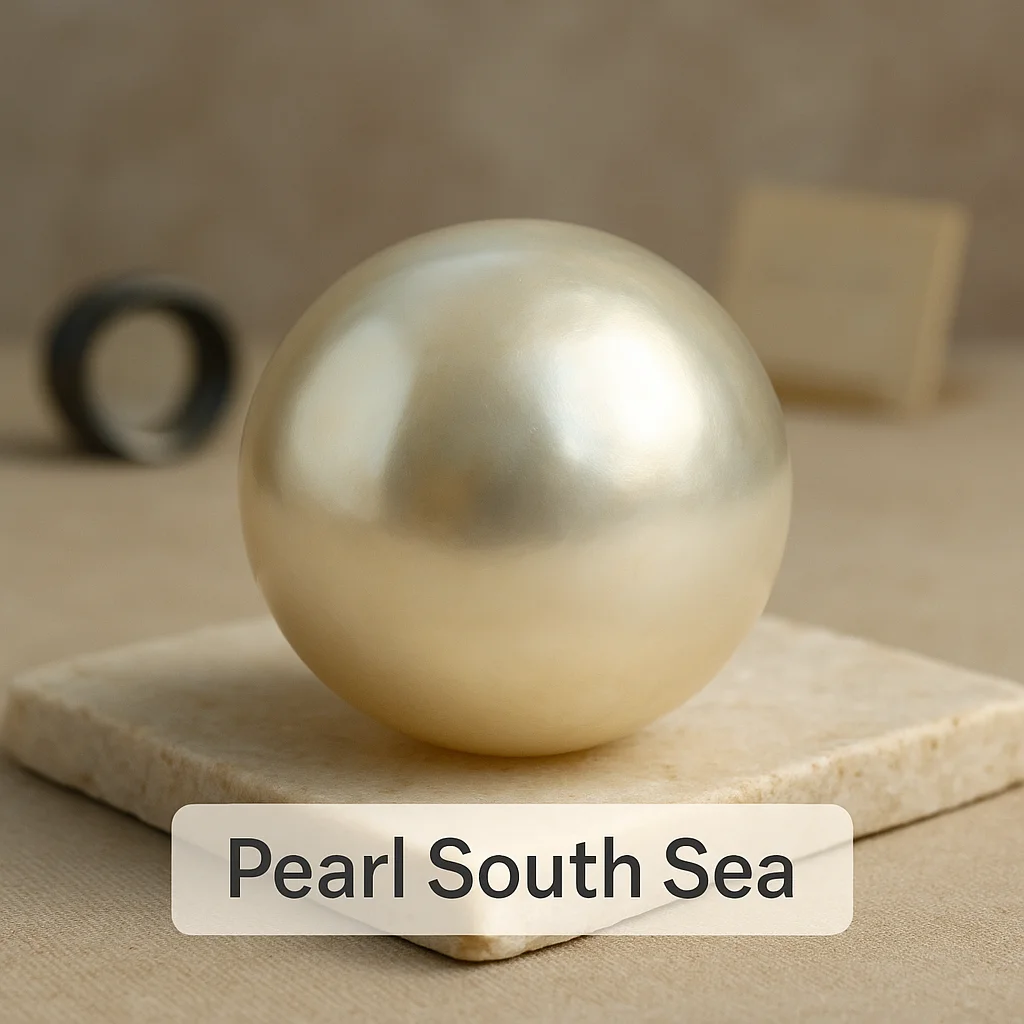
South Sea pearls are chiefly known for their large sizes and the thick nacre they possess. These pearls are formed naturally in the oceans around Australia, Indonesia, and the Philippines. They are admired not only for their beauty but also for their cultural and historical significance as symbols of purity and wealth.
This article will guide you through understanding Pearl South Sea, from its unique appearance, origin, and formation to its properties, care, and tips for buying and distinguishing genuine pearls from imitations.
🌍 Where It Comes From
South Sea pearls are primarily cultivated in the marine environments of the South Sea, including the coastal waters surrounding Australia, Indonesia, and the Philippines. The waters in these regions provide the ideal conditions for the growth of the Pinctada maxima oyster, renowned for producing these large and lustrous pearls.
The geographical location where a pearl is cultivated can significantly affect its value. For example, Australian South Sea pearls are often larger and acclaimed for their superior quality, whereas pearls from Indonesia might present distinct color varieties. Geographical origin also influences market reputation, which can be a determining factor in a pearl's desirability and price.
The process of pearl cultivation in these regions involves seeding the oysters and carefully nurturing them in protected marine environments, ensuring the ideal conditions for the pearls to develop naturally over time.
🔬 How It Forms
The formation of South Sea pearls begins when an irritant, such as a small grain of sand or a piece of shell, enters the oyster. To protect itself from this irritant, the oyster secretes layers of nacre, a combination of aragonite and conchiolin, around it, which eventually forms the pearl.
Over several years, the continuous deposition of nacre layers results in the creation of a pearl. South Sea pearls are known to achieve sizes much larger than most other cultured pearls due to the extended growth period and the larger size of the Pinctada maxima oyster.
Natural colors in South Sea pearls depend on the oyster's environment and can range from white to golden hues, which are highly prized in the jewelry market.
🎨 Color and Look
The color palette of South Sea pearls is diverse, featuring shades from white and silver to golden. Golden South Sea pearls, in particular, are highly coveted for their rare and rich golden tones, which occur naturally and are not commonly found in other pearl types.
The appearance of a South Sea pearl is characterized by its size, surface quality, and the depth of its luster. Luster refers to the way light reflects off the pearl's surface, and high-quality pearls exhibit a sharp, mirror-like finish.
While South Sea pearls are generally not subjected to treatments to enhance their color or luster artificially, it's essential to purchase from reputable sources to ensure authenticity.
🧪 Properties That Matter
South Sea pearls are renowned for their impressive size, typically ranging from 10 mm to over 15 mm. Their nacre thickness contributes to their outstanding luster and radiant sheen. While they rank lower than diamonds on the Mohs hardness scale, pearls have a unique charm due to their organic origin.
With a Mohs hardness of around 2.5 to 4.5, South Sea pearls require gentle handling. While not particularly scratch-resistant, their toughness is sufficient for careful, everyday wear. It's advisable to avoid high-impact activities while wearing them.
Unlike gemstones with cleavage, pearls primarily exhibit a conchoidal fracture and are more prone to chipping rather than splitting in well-defined planes.
✨ Meanings, Birthstones, and Culture
Throughout history, pearls have been synonymous with wealth, royalty, and wisdom. South Sea pearls, in particular, are traditionally associated with elegance and sophistication. In some cultures, wearing pearls is considered a symbol of purity and trust.
Pearls also have ties to birthstones, specifically as the birthstone for the month of June. They are believed to bring good fortune and balance to individuals born during this time.
From a cultural perspective, pearls have never lost their allure. They remain a cherished choice for bridal jewelry and as gifts for special occasions.
🧼 Care and Cleaning
Caring for South Sea pearls involves delicate handling and maintenance to preserve their luster and beauty. Cleaning should be done with mild soap and lukewarm water, using a soft cloth to gently wipe away any residues.
It's crucial to avoid exposing pearls to harsh chemicals, excessive heat, or prolonged sunlight, which can damage their nacre and reduce luster. Storing pearls separately, preferably in a soft pouch or lined jewelry box, will prevent scratches from harder gemstones or metals.
Refraining from submerging pearls in water for long periods will help maintain their integrity and avoid weakened nacre layers.
🛒 Buying Tips and What to Check
When purchasing South Sea pearls, consider factors such as color uniformity, surface quality, size, luster, and nacre thickness. Pearls with fewer surface imperfections are typically higher in value.
Asking for certification or a gemological report when purchasing high-value pearls can provide assurances about authenticity, any treatments, and potential value. Confirming the reputation of the seller, especially when buying online, is critical to avoid imitations.
A good buying checklist includes reviewing the seller's return policy, checking detailed photos, and understanding any disclosures about enhancement treatments.
⚠️ Real vs Fake and Common Look-Alikes
Distinguishing between real and fake South Sea pearls can be challenging for the untrained eye. Real pearls have a gritty texture when lightly rubbed against teeth, while fakes are usually smooth.
Synthetic pearls mimic appearance but don't offer the unique luster and variation of organic pearls. Common imitations include glass or plastic beads coated to resemble real pearls.
Professional testing and lab results can authenticate a pearl's origin and quality, making them essential in confirming true South Sea pearls.
❓ Common Questions and Misconceptions
Is it a mineral or a rock? South Sea pearls are organic gems, not minerals or rocks.
Is it a birthstone? Yes, pearls are the birthstone for June.
Will it scratch easily? Pearls have moderate hardness and should be protected from scratching.
Can it go in water? Brief exposure is fine, but avoid soaking them in water.
Does color fade in sunlight? Prolonged exposure can dull luster and color.
What treatments are common? South Sea pearls typically receive minimal treatments.
Is lab-grown "fake"? Lab-grown pearls simulate appearance but lack organic creation.
How do I store it safely? Store pearls in a soft pouch away from harder objects.
Do inclusions always lower value? Slight inclusions may not impact value if the luster is good.
How do I pick a good one for jewelry? Prioritize size, luster, and surface quality.
📌 Summary
- Pearl South Sea is an organic gem, a type of cultured pearl.
- Typical colors range from white to gold, known for their luster.
- Formation involves nacre layers over time in oysters.
- Pearls are delicate; handle with care for daily wearing.
- Naturally occurring with minimal treatments, authenticating is key.
- Clean gently; avoid chemicals and excessive heat.
- Perfect for sophisticated jewelry like necklaces and earrings.
- Common look-alikes include synthetic and imitation pearls.
- Authenticity confirmed via professional testing and certification.
- Buying tips include checking luster, color, and reputable sellers.
- June birthstone; historically symbolizes purity and elegance.
- South Sea pearls offer a captivating blend of natural beauty and cultural significance.