💎 Kashmir Sapphire
🪨 What It Is
The Kashmir Sapphire is a rare and highly prized variety of the mineral corundum, which is more commonly known as sapphire. Sapphires are beloved for their stunning range of blue hues, which make them a popular choice for jewelry pieces such as rings and necklaces.
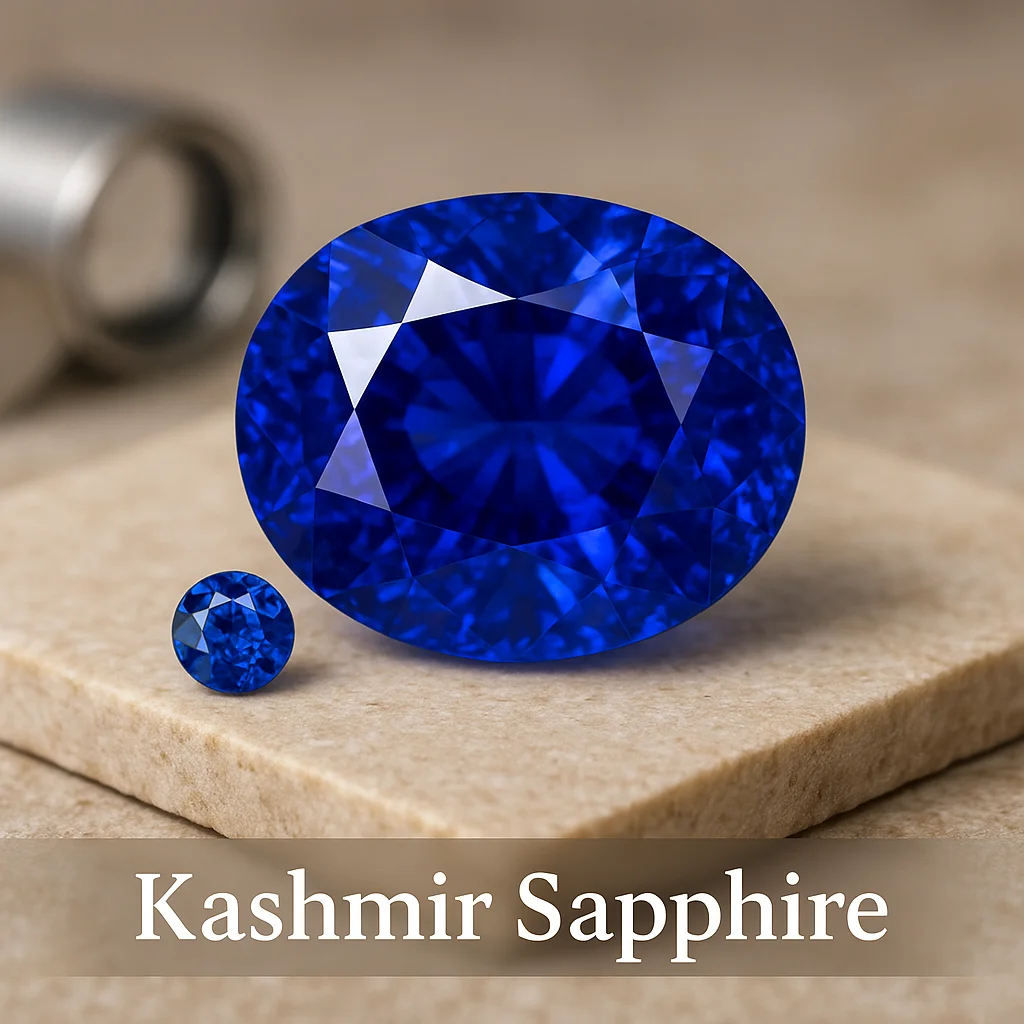
Sapphires, including the Kashmir variety, are celebrated as one of the traditional birthstones for September. Many jewelry enthusiasts and gemstone collectors seek out Kashmir Sapphires for their iconic cornflower blue color and esteemed origin.
In this article, you will learn about the appearance, properties, origins, value, care, and buying tips specific to Kashmir Sapphires. We will explore what makes this gemstone desirable and provide insights for both collectors and those new to the world of gemstones.
🌍 Where It Comes From
Kashmir Sapphires are primarily found in the region of Kashmir, located in the northern part of India. This area is part of the Himalayan mountain range, which is known for its rich geological diversity and mineral deposits. The sapphires are formed in metamorphic rocks, specifically in pegmatites and schists.
Origin can significantly impact a sapphire's market reputation. Kashmir Sapphires, mined mostly between 1880 and 1920, hold a legendary status due to their brilliant color and historical significance. Their rarity further enhances their value, making them a prized possession among gem collectors.
While sapphires are found in various parts of the world, including Sri Lanka, Myanmar, and Madagascar, the unique attributes linked to the Kashmir region such as their velvety texture and deep, intense blue contribute largely to their allure and value in the market.
🔬 How It Forms
Sapphires, including the Kashmir variety, form under specific conditions involving high pressure and temperature in the Earth's crust. These conditions facilitate the growth of corundum, composed primarily of aluminum oxide (Al2O3). The presence of trace elements like iron and titanium within the corundum crystal structure produces the blue coloration in sapphires.
The formation process may take millions of years, with slow cooling allowing for the development of the gemstone's signature crystals. This happens within metamorphic environments or in igneous rocks like basalt and gneiss where the necessary conditions naturally occur.
Sapphires typically manifest as hexagonal crystal systems, and their durability contributes to their excellent suitability for use in a variety of jewelry pieces.
🎨 Color and Look
Kashmir Sapphires are renowned for their unique velvety cornflower blue color, which many gemologists consider an ideal shade for blue sapphires. This visual phenomenon is characterized by the fine silk-like inclusions within the stone that scatter light in a way that produces a soft, velvety appearance.
Cut and polish significantly affect the appearance of Kashmir Sapphires, as a well-executed cut can enhance the stone's color and brilliance, while a good polish ensures a smooth and reflective surface. Clarity also plays a role, with fewer inclusions typically resulting in higher value. However, the soft inclusions characteristic of Kashmir Sapphires are often considered desirable.
It is essential to be mindful of treatments such as heat treatment, a common practice used to improve sapphire color and clarity. While this is not inherently negative, disclosure is crucial for informed purchasing decisions.
🧪 Properties That Matter
Kashmir Sapphires are known for their impressive hardness and durability, with a Mohs hardness rating of 9. This makes them highly resistant to scratches and ideal for everyday jewelry wear, such as rings and bracelets.
The toughness of these stones is also noteworthy, meaning they can withstand a fair amount of wear without significant risk of chipping. However, sapphires do have a form of cleavage in certain directions, meaning they can break when struck hard, much like any gemstone.
The luster of Kashmir Sapphires is vitreous, providing a brilliant shine when properly polished. This property, combined with their typically transparent nature, enhances their appeal in crafted jewelry, where capturing light is a desired effect.
✨ Meanings, Birthstones, and Culture
Traditionally, sapphires are associated with wisdom, nobility, and divine favor. In cultural symbolism, blue sapphires represent tranquility, insight, and truth. As the birthstone for September, sapphires are thought to lend protective powers to those born in this month, although this is firmly within the realm of folklore and tradition.
Kashmir Sapphires, in particular, enjoy a storied history due to their limited availability and distinctive quality. Their association with luxury and exclusivity extends back to the late 19th and early 20th centuries when European royalties and maharajas sought them out.
Despite these associations, it is important to remember that while cultural meanings and symbolism add richness to the story of these gemstones, they do not involve scientifically proven effects or properties.
🧼 Care and Cleaning
Proper care and cleaning are essential for maintaining the beauty and longevity of Kashmir Sapphires. The simplest method involves using lukewarm water with mild soap and a soft cloth. Avoiding harsh chemical cleaners is advisable, as they can potentially damage the gemstone over time.
While sapphires tolerate heat well, sudden temperature changes should be avoided to prevent any potential fracturing. Long soaking is not necessary and can cause harm to the stone.
For safe storage, keep Kashmir Sapphires separately in a soft pouch or lined box to prevent scratches from contact with other gemstones or metals.
🛒 Buying Tips and What to Check
Several factors affect the price and quality of Kashmir Sapphires, including color, clarity, cut, carat size, and provenance. Origin is a significant factor, with authentic Kashmir Sapphires commanding premium prices.
It is advisable to inquire about any treatments the sapphire has undergone. Requesting a gemological report from a respected laboratory can provide assurance about the stone's authenticity and qualities.
When purchasing online, look for reputable sellers with positive reviews and clear return policies. Ensure the listing includes high-quality photos and full disclosure of all relevant details to make an informed choice.
⚠️ Real vs Fake and Common Look-Alikes
Kashmir Sapphires can be distinguished from synthetic (lab-grown) varieties, which share the same chemical, physical, and optical properties but are produced in controlled conditions. Synthetic sapphires are not "fake", but rather an alternative that is often more affordable.
Imitation sapphires, often made from glass or composite materials, are visually deceptive but lack the durability and value of natural stones. Assembled stones, such as doublets or triplets, combine natural and imitation components to mimic real sapphires.
Professional testing and certification are critical for distinguishing between natural, synthetic, and imitation sapphires, and should be relied upon over unverified home methods.
❓ Common Questions and Misconceptions
Is it a mineral or a rock? Kashmir Sapphire is a mineral, specifically a variety of corundum.
Is it a birthstone? Yes, sapphire is the birthstone for September.
Will it scratch easily? Sapphires are quite scratch-resistant with a Mohs hardness of 9.
Can it go in water? Yes, but avoid harsh chemicals when cleaning.
Does color fade in sunlight? Sapphires are generally stable and do not fade easily.
What treatments are common? Heat treatment is a common enhancement for sapphires.
Is lab-grown 'fake'? Lab-grown sapphires are real but manufactured; they share the same physical properties as natural ones.
How do I store it safely? Store separately in soft fabric pouches or lined boxes.
Do inclusions always lower value? Not always; in Kashmir Sapphires, certain inclusions can add to their velvety appearance.
How do I pick a good one for jewelry? Look for vibrant color, good clarity, and ensure any treatment disclosures are made.
📌 Summary
- Kashmir Sapphire is a variety of the mineral corundum.
- Known for its cornflower blue coloration and velvety texture.
- Forms in metamorphic rocks, mainly in the Kashmir region.
- Durable with a hardness of 9, suitable for everyday wear.
- Commonly treated with heat to enhance color and clarity.
- Clean with mild soap and water; avoid harsh chemicals.
- Best used in rings, pendants, and earrings due to durability.
- Common look-alikes include synthetic and imitation sapphires.
- Authenticity confirmed through professional testing and reports.
- Check color, clarity, origin, and treatments when buying.
- Birthstone for September, traditionally linked with insight and protection.
- Kashmir Sapphires remain a symbol of luxury and rarity in the gemstone world.