💎 Musgravite
🪨 What It Is
Musgravite is a rare and valuable gemstone that belongs to the taaffeite mineral group. It is known for its striking beauty and is considered one of the rarest gemstones in the world. As a mineral, it is primarily composed of beryllium, aluminum oxide, and magnesium. Although not a traditional birthstone, it is highly sought after by collectors and enthusiasts due to its scarcity and allure.
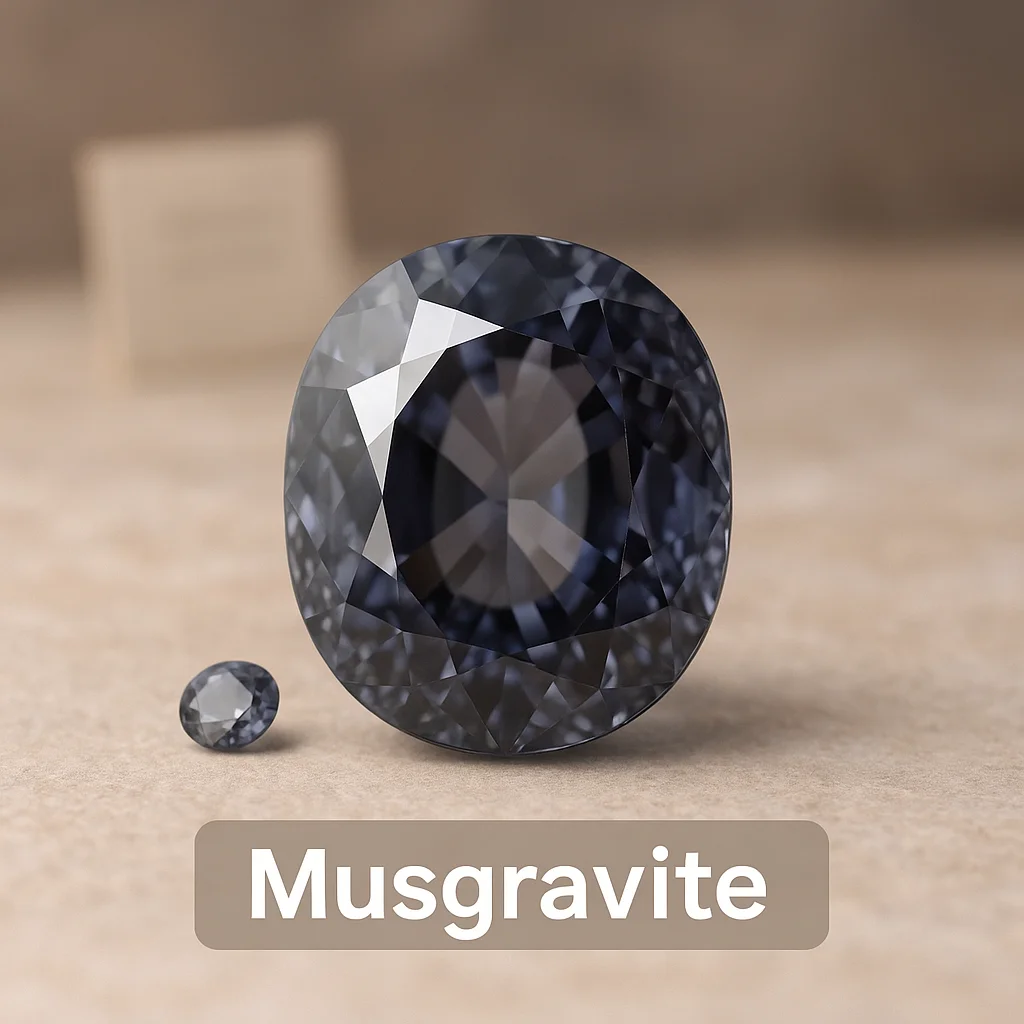
The allure of musgravite lies in its captivating appearance and unique properties. In this article, we will explore the gemstone's origins, formation, appearance, properties, meanings, and care. For those interested in acquiring musgravite, we'll also discuss buying tips and ways to ensure authenticity.
Whether you're new to the world of gemstones or an experienced collector, understanding musgravite can deepen your appreciation for its rarity and value. This guide aims to provide you with a comprehensive overview, ensuring you have a well-rounded understanding of this extraordinary gem.
🌍 Where It Comes From
Musgravite is found in a variety of geologic settings, typically in metamorphic environments where high pressure and temperatures play a role in its formation. These environments facilitate the development of the mineral's unique crystal structure and composition.
Though musgravite was first discovered in the Musgrave Ranges of South Australia, it has also been found in other regions such as Sri Lanka, Greenland, Antarctica, and Madagascar. However, occurrences are extremely limited, contributing to its status as one of the rarest gemstones globally.
Origin can play a significant role in the appearance and value of musgravite. For instance, stones from certain locations may be more prized for their color and clarity. Collectors often consider the stone's origin as part of its uniqueness and desirability.
🔬 How It Forms
The formation of musgravite involves intense geological processes including high-grade metamorphic activity. During these processes, minerals such as beryllium, magnesium, and aluminum interact under high pressure and temperature conditions, resulting in musgravite's creation.
Musgravite is often associated with chromium and iron trace elements, which can influence its color. The presence of these impurities within the crystal lattice is critical in defining the stone's final appearance and color.
Typically, musgravite crystals form as hexagonal crystals. These crystals are then mined and carefully cut to enhance their natural beauty, contributing to their desirability in fine jewelry.
🎨 Color and Look
Musgravite is coveted for its beautiful range of colors, often from greyish to purplish tones. It may also appear in shades of green, blue, or even shades resembling amethyst. The stone's color is primarily dictated by the presence of trace elements and the conditions under which it formed.
The appearance of musgravite can also be influenced by its cut and polish, which can enhance the stone's luster and brilliance. Although musgravite does not undergo common treatments like heating, its quality and visual appeal can vary significantly based on clarity and size.
Musgravite lacks notable optical phenomena such as chatoyancy or color change, but its natural luster and color variations make it a desirable choice for collectors who seek unique and rare gems.
🧪 Properties That Matter
Musgravite has important properties that contribute to its use in jewelry. On the Mohs hardness scale, musgravite rates approximately 8 to 8.5, making it sufficiently durable for most types of jewelry, including rings. This hardness level ensures a good resistance to scratching during everyday wear.
In terms of toughness, musgravite is generally good but care is advised to prevent chipping. It does not exhibit prominent cleavage, which means it is less likely to break along specific planes. Musgravite's luster is vitreous, adding to its visual appeal when polished. The gem is typically transparent, although inclusions can occur.
These properties make musgravite a versatile gemstone for jewelry, capable of withstanding daily wear, provided it is treated with care to avoid harsh conditions that might lead to damage.
✨ Meanings, Birthstones, and Culture
Musgravite does not have a traditional association with any particular month as a birthstone, nor is it widely recognized in cultural folklore. However, in modern times, its rarity and stunning appearance have led to its appreciation in the world of high jewelry.
Traditionally, gemstones often hold symbolic meanings, and musgravite is no exception. While not rooted in ancient lore, it is often associated with qualities such as elegance, exclusivity, and sophistication due to its rare and luxurious nature.
Collectors and jewelry enthusiasts often treasure musgravite not only for its physical beauty but also for the distinction and prestige associated with owning such a scarce and sought-after gem.
🧼 Care and Cleaning
Caring for musgravite involves gentle cleaning practices to maintain its luster and integrity. A soft cloth and mild soap and water are generally sufficient for cleaning. Avoid using harsh chemicals or ultrasonic cleaners, which can potentially harm the stone.
It is wise to avoid exposing musgravite to sudden temperature changes or prolonged heat exposure, as this can affect its appearance and durability. Considering its relative hardness, it is less likely to be scratched than softer stones, but storing it separately from other gems is recommended to avoid potential surface damage.
By following these simple care guidelines, owners can ensure that their musgravite maintains its brilliance and beauty over time, making it a lasting addition to any collection.
🛒 Buying Tips and What to Check
When purchasing musgravite, several factors can influence its value and should be considered carefully. These include the gemstone's color, clarity, cut, and carat weight, along with its origin and rarity.
Always inquire about the stone's treatment, if any, and seek a lab report from a reputable gemological laboratory to confirm its authenticity and quality. A lab report provides essential details about the gemstone's characteristics, helping buyers make informed decisions.
For online purchases, evaluate photos of the gem thoroughly, review the seller's reputation, and ensure a return policy is in place. A careful assessment of these aspects can help buyers select a high-quality musgravite, enhancing their jewelry collection while delivering confidence in their purchase.
⚠️ Real vs Fake and Common Look-Alikes
Distinguishing natural musgravite from its synthetic or imitation counterparts is crucial for collectors and buyers. Musgravite can be synthesized in labs, and while these lab-grown stones are chemically identical, they lack the scarcity and market appeal of natural specimens.
Common look-alikes such as spinel, topaz, or synthetic materials may be misrepresented as musgravite. Additionally, assembled stones like doublets or triplets may be used to mimic musgravite's appearance.
Reliable identification should be conducted by professional gemologists using advanced techniques, as home testing may lead to incorrect conclusions and potential financial losses.
❓ Common Questions and Misconceptions
"Is it a mineral or a rock?" Musgravite is a mineral, not a rock.
"Is it a birthstone?" Musgravite is not traditionally recognized as a birthstone.
"Will it scratch easily?" With a Mohs hardness of 8 to 8.5, musgravite is scratch-resistant compared to many gemstones.
"Can it go in water?" Brief exposure to water is fine, but prolonged soaking should be avoided.
"Does color fade in sunlight?" Musgravite's color is generally stable but avoid prolonged sun exposure.
"What treatments are common?" Musgravite is typically untreated.
"Is lab-grown 'fake'?" Lab-grown musgravite is considered genuine but lacks the rarity of natural stones.
"How do I store it safely?" Store separately in a soft pouch or lined box to prevent scratches.
"Do inclusions always lower value?" Inclusions can affect value, but rarity and overall quality also play significant roles.
"How do I pick a good one for jewelry?" Focus on color, clarity, cut, and verified authenticity when selecting for jewelry.
📌 Summary
- Musgravite is a rare and valuable mineral, prized as a gemstone.
- Typical colors include greyish to purplish tones.
- Forms in high-pressure, high-temperature metamorphic settings.
- Mohs hardness of 8 to 8.5 ensures rigidity for daily wear.
- Usually untreated, maintaining its natural beauty.
- Gentle care advised: soft cloth cleaning and separate storage.
- Ideal for high-end jewelry like rings, pendants, and earrings.
- Can be confused with spinel or synthetic materials.
- Professional testing recommended to confirm authenticity.
- When buying, check color, clarity, cut, and provenance.
- Offers prestige and exclusivity as a collector's gem.
- Known for its stunning appearance and extraordinary rarity.