💎 Padparadscha Sapphire
🪨 What It Is
Padparadscha sapphire is a rare and fascinating variety of sapphire, which itself is a gem variety of the mineral corundum. It is renowned for its distinctive pink-orange coloration. Unlike the typical blue sapphire, padparadscha showcases a sunset-like hue that captivates gem enthusiasts and collectors around the world.
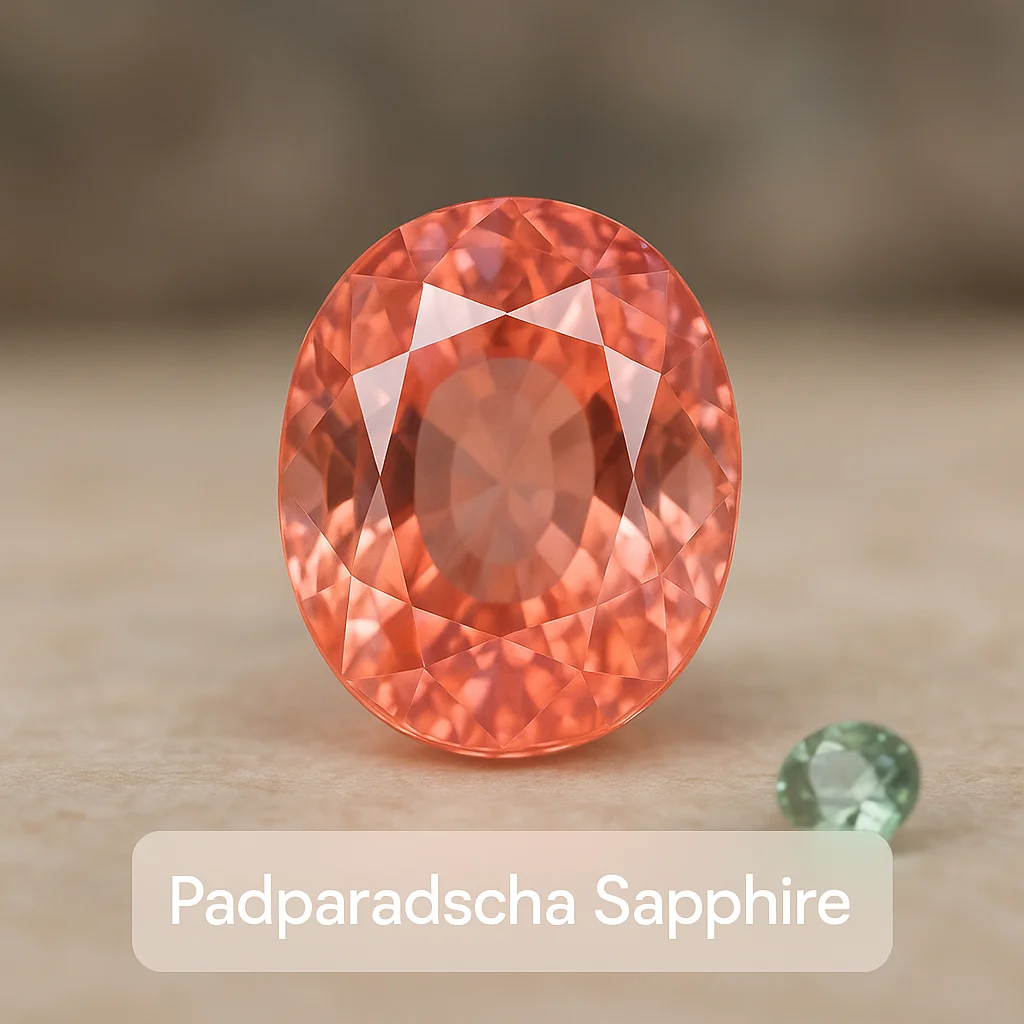
This unique gem is named after the Sinhalese word for "lotus blossom," reflecting its delicate and harmonious color palette. Padparadscha sapphires are often considered one of the most prized and desirable sapphire varieties due to their rarity and beauty.
As a popular choice for jewelry, padparadscha is used in rings, pendants, and earrings. It is not strictly a birthstone but is highly sought after because of its unique color and exceptional allure. In this article, we'll explore its appearance, properties, origin, value, care, and buying tips to help you understand this captivating gem.
🌍 Where It Comes From
Padparadscha sapphires occur naturally in metamorphic rock settings, which form under conditions of high heat and pressure. This geological backdrop allows for the formation of corundum crystals, which gain their pink-orange hue from trace elements present during their formation.
Sri Lanka is famously known as the primary source of high-quality padparadscha sapphires. Madagascar has also emerged as an important producer of these gems in recent years, offering stones with a comparable color quality. Additionally, small quantities have been found in regions of East Africa, each area imparting subtle differences to the stone's color and clarity.
The origin of a padparadscha sapphire can have a significant impact on its market value and reputation. Gems from Sri Lanka are generally considered the benchmark for quality, often commanding higher prices. This is due to their rich tradition and the beautiful color balance often found in Sri Lankan stones.
🔬 How It Forms
Padparadscha sapphires form when corundum mineral crystals develop in metamorphic rock environments. These conditions occur deep within the Earth's crust, where high temperatures and pressures allow the elements to crystallize over millions of years.
The pink-orange color of a padparadscha sapphire arises from the presence of trace elements, specifically iron and chromium. The perfect balance between these elements results in the stone's stunning lotus blossom-like hue, making it distinct from other sapphire varieties.
The sapphire crystals typically exhibit a hexagonal crystalline habit, which is characteristic of corundum. This natural formation process means each stone is unique, with its own characteristics and color nuances.
🎨 Color and Look
Padparadscha sapphires are celebrated for their exquisite pink-orange tones, reminiscent of a serene sunset or a delicate lotus flower. This harmonious blend of colors is what sets them apart from more common sapphire varieties. The consistency and intensity of this hue can vary depending on the individual stone's origin and the specific balance of trace elements.
The appearance of a padparadscha sapphire may be influenced by its cut and polish, which can enhance its brilliance and color distribution. A well-cut stone maximizes the play of light and can bring out the gem's unique hue and sparkle. Clarity also plays a role; while minor inclusions are acceptable, a high level of transparency is often desired.
Common treatments for padparadscha sapphires include heat treatment to improve color uniformity and clarity. This process is widely accepted in the industry, provided it is fully disclosed at the point of sale.
🧪 Properties That Matter
One of the notable properties of padparadscha sapphire is its Mohs hardness rating of 9, making it second only to diamond in scratch resistance. This high hardness makes it suitable for daily wear in rings and other jewelry pieces. However, its toughness, or resistance to chipping, can vary depending on inclusions and natural crystal flaws.
Padparadscha sapphire typically has no cleavage, which means it will not break along flat planes, but it can fracture if struck hard enough. Its luster is described as vitreous, imparting a brilliant shine when polished. Transparency ranges from transparent to translucent, and a high-quality gemstone will exhibit excellent clarity.
For daily wear, padparadscha sapphires are durable and resilient, making them an excellent choice for engagement rings or other frequently worn pieces. However, it's important to handle them with care to avoid any potential impact damage.
✨ Meanings, Birthstones, and Culture
While padparadscha sapphire is not traditionally classified as a birthstone, it occupies a special place in gem culture due to its rare beauty. This gemstone is often associated with purity, wisdom, and serenity, reflecting the tranquil lotus blossom after which it is named.
In modern jewelry traditions, padparadscha sapphires are highly prized as engagement stones due to their unique color and rarity. They make a powerful statement and symbolize the uniqueness of the wearer.
As with many gemstones, padparadscha sapphires have countless folkloric associations and are said to bring balance, peace, and prosperity to their owners. These cultural connections enhance their appeal, although such meanings are traditional and not scientifically proven.
🧼 Care and Cleaning
Caring for padparadscha sapphire involves regular cleaning with gentle soap and lukewarm water. Gently scrub the gem with a soft brush to remove any buildup of dirt or oils. Avoid using harsh chemicals or ultrasonic cleaners, as these can damage the stone or its settings.
It is recommended to store padparadscha sapphire jewelry separately to prevent scratches from harder gemstones, such as diamonds. Use a soft pouch or lined jewelry box for storage. Avoid exposing the gem to sudden temperature changes or prolonged exposure to heat, which can potentially lead to damage.
For pieces that receive regular wear, it is advisable to periodically check the settings to ensure the stone is secure. Gentle handling and mindful storage will help maintain the beauty and integrity of your padparadscha sapphire jewelry.
🛒 Buying Tips and What to Check
When purchasing a padparadscha sapphire, several factors affect its price and quality. Color is the most significant element; the ideal padparadscha displays a balanced mix of pink and orange with good saturation. Clarity is also important, with minimal visible inclusions preferred for higher value stones.
The cut of the stone affects its brilliance and can enhance its color distribution. A well-executed cut will increase the gem's appeal and value. Carat size plays a role in price; larger padparadscha sapphires are especially rare and can command premium prices.
Always inquire about any treatments the stone may have undergone, and request a gemological report from a reputable lab for high-value purchases. This will confirm important details about the stone, including origin and any enhancements.
When buying online, ensure the seller provides clear photos and has a reliable return policy. Check their reputation and look for full disclosure of treatments and enhancements.
⚠️ Real vs Fake and Common Look-Alikes
Distinguishing natural padparadscha sapphires from synthetic or imitation stones can be challenging. A natural padparadscha sapphire forms naturally over millions of years, whereas synthetic ones are lab-grown and share the same chemical structure but form much faster.
Imitation stones, such as glass or plastic, lack the physical properties and brilliance of genuine sapphires. Assembled stones, like doublets or triplets, are created by combining different materials to mimic the appearance of a real gem.
Common look-alikes include peachy-pink spinels and some varieties of topaz, which visually resemble padparadscha sapphires. Always seek professional identification to confirm authenticity, as home tests can be misleading and risk damaging the stone.
❓ Common Questions and Misconceptions
Is it a mineral or a rock? Padparadscha sapphire is a gemstone variety of the mineral corundum.
Is it a birthstone? While not a traditional birthstone, it is sought after for its beauty and symbolism.
Will it scratch easily? With a Mohs hardness of 9, it is very scratch-resistant but should be protected from hard impacts.
Can it go in water? Yes, but avoid harsh chemicals or prolonged soaking, as they can damage the gemstone or its setting.
Does color fade in sunlight? Prolonged sunlight exposure is generally safe, but always store gemstones away from direct light when not in use.
What treatments are common? Heat treatment is common and should be disclosed when buying.
Is lab-grown 'fake'? Lab-grown sapphires are real sapphires, identical in composition, but created in a lab.
How do I store it safely? Store separately from harder gemstones to prevent scratches, ideally in a soft pouch or lined box.
Do inclusions always lower value? Not always; some inclusions are acceptable, but excessive inclusions can affect value and appearance.
How do I pick a good one for jewelry? Choose a stone with an appealing color mix, clarity, and cut to match your preferences and style.
📌 Summary
- Padparadscha sapphire is a pink-orange variety of the mineral corundum.
- Typical colors range from a soft pink-orange to a more vivid lotus blossom hue.
- It forms under high heat and pressure in metamorphic environments.
- Key properties include high scratch resistance and excellent luster.
- Heat treatment is a common enhancement for color uniformity.
- Use gentle soap, water, and soft cloth for cleaning and avoid harsh chemicals.
- Ideal for rings, pendants, and earrings due to its durability and allure.
- Common look-alikes include pink-orange spinel and some topaz varieties.
- Authenticity is confirmed through reputable gemological labs.
- Buyers should check color, clarity, cut, and inquire about treatments with a gem report.
- While not a traditional birthstone, it is prized for cultural associations of purity and wisdom.
- Remember the exceptional rarity and intrigue surrounding padparadscha sapphire.